
How Your Kidneys Decide How Much Water to Keep and How Much to Let Go
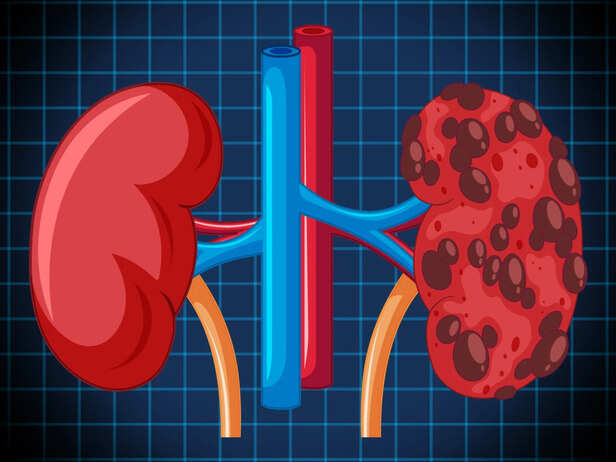
Most people think of the kidneys as a drain. Waste goes in, urine comes out. The actual job is almost the opposite: the kidneys filter nearly everything, then spend most of their energy deciding what to take back.
That distinction matters because it changes how you read your body's signals, why you can drink a litre of water and barely need the bathroom, or drink the same amount on a hot afternoon and visit it four times in an hour. The difference is not the water. It is a conversation happening between your kidneys, your blood, and two hormones you have never had reason to think about.
The Scale Your Kidneys Are Always Reading
Running through the core of each kidney is a structure called the nephron, about a million of them per kidney. Blood enters under pressure, and the nephron strips it of almost everything: water, salts, glucose, small proteins, waste products. The resulting fluid is called filtrate, and there is an enormous amount of it. Around 180 litres pass through every 24 hours in a healthy adult.
Almost all of it gets reabsorbed before it reaches the bladder. The 1 to 2 litres that actually become urine represent what the kidney decided, after reviewing everything, it could afford to lose. That review is continuous, not scheduled. It happens every few seconds, adjusting to what the blood is telling it.
What the blood is telling it, specifically, is its concentration, how much dissolved material is floating in how much water. The medical term is osmolality. When it rises, the body is relatively short on water. When it falls, the body has more water than it needs. The kidney's job is to keep that number inside a narrow band.
The Hormone That Says Hold
The hypothalamus in the brain monitors blood concentration constantly. When it detects that the blood is becoming more concentrated, after sweating, after a salty meal, after a night of poor sleep, it signals the pituitary gland to release a hormone called antidiuretic hormone, or ADH. It is also called vasopressin.
ADH travels through the bloodstream to the collecting ducts of the nephron, the final stretch before urine is committed. There, it opens tiny channels in the duct walls called aquaporins. Water, which had been heading toward the bladder, moves back through those channels into the surrounding tissue and from there back into the bloodstream. The urine that remains is small in volume and concentrated, dark yellow, or amber when the effect is strong.
When you drink enough and blood concentration falls back to normal, the hypothalamus stops signalling, ADH drops, the aquaporin channels close, and water stays in the duct and leaves as urine. The colour lightens. The visits to the bathroom increase. The system has returned to balance.
This is why urine colour is a reasonable rough guide to hydration. It is not measuring how much water you drank. It is reporting what your hypothalamus decided to do with it.
The Hormone That Says Let Go of Salt, and Keep the Water
ADH handles water directly. A second hormone, aldosterone, works on the salt side of the equation, and through salt, on water.
Aldosterone is released by the adrenal glands, which sit just above each kidney. Its trigger is a drop in blood pressure or a drop in sodium, both of which signal that the body's fluid volume is too low. Aldosterone tells the nephron to reabsorb more sodium from the filtrate. Sodium pulls water with it. The result is that both salt and water are retained, blood volume rises, and blood pressure climbs back toward normal.
The two systems, ADH and aldosterone, work together but are not identical. ADH responds to concentration. Aldosterone responds to volume and pressure. A person who is dehydrated and a person who has lost blood may both need to retain water, but the hormonal mix driving that retention is different. The kidney reads both signals and responds to each.
What Swelling Is Actually Saying
Swelling in the ankles, feet, or face, the kind that leaves a dent when you press it, is called oedema, and it is often misread as too much water in the body overall. It is more accurate to say it is water in the wrong compartment.
Fluid that has left the bloodstream and pooled in tissue cannot be reached by the kidney's filtration system. The kidney, reading the blood, may actually see low volume and respond by retaining more fluid, which makes the pooling worse, not better. This is one reason oedema in the context of heart, liver, or kidney disease requires medical management rather than simply drinking less. The problem is not intake; it is the system that moves fluid between compartments.
Mild ankle swelling after a long flight or a day of standing is different, it reflects gravity and reduced movement, not a failing regulatory system. It generally resolves with movement and elevation. Swelling that is persistent, asymmetric, or accompanied by shortness of breath is worth a doctor's appointment, not a home remedy.
When the Signals Get Crossed
Several common situations disrupt the water-regulation loop in ways that are useful to recognise.
Caffeine mildly suppresses ADH, which is why coffee and tea produce more urine than plain water, volume for volume. The effect is modest in people who drink them regularly, because the body adapts, but it is real in someone who rarely does.
Alcohol suppresses ADH more strongly, which is why drinking produces frequent, dilute urine and why the morning after involves significant dehydration, the body spent the night releasing water it would otherwise have kept.
Certain medications, including some used for blood pressure, epilepsy, and mood disorders, interfere with ADH signalling or with the kidney's response to it. Anyone on long-term medication who notices a change in thirst, urine output, or swelling should raise it with their prescribing doctor rather than adjusting fluid intake on their own.
Diabetes insipidus, unrelated to diabetes mellitus despite the name, is a condition in which ADH is either not produced or not recognised by the kidney. The result is an inability to concentrate urine, leading to very large volumes of very pale urine and intense thirst. It is rare, but it illustrates what the system looks like when it fails entirely.
What This Means for How You Drink
The kidney's regulatory capacity is wide but not unlimited. Drinking water faster than the kidney can excrete it, roughly more than about a litre per hour, sustained, can dilute the blood enough to cause a condition called hyponatraemia, or low blood sodium. It is uncommon in ordinary circumstances but has occurred in endurance athletes who over-hydrate on plain water during long events.
At the other end, chronic mild dehydration, not dramatic thirst, just consistently drinking less than the body needs, concentrates the urine persistently. Concentrated urine is associated with a higher risk of kidney stones in people who are already prone to them. It also makes urinary tract infections more likely by reducing the flushing effect of regular urination.
The practical read is straightforward: pale yellow urine through most of the day suggests the system is balanced. Dark yellow or amber through most of the day suggests the kidney is working hard to hold what it has, and drinking more water would reduce that load. Colourless urine through most of the day suggests the kidney is releasing more than it needs to, which is usually harmless but occasionally points to something worth checking.
Pain in the lower back or side, blood in the urine, a sudden change in how much or how little urine you produce, or swelling that does not resolve with movement, any of these is a reason to see a doctor rather than adjust your water bottle.
The kidney does not announce its work. It runs the calculation quietly, adjusts the hormones, opens or closes the channels, and keeps the blood at the concentration it needs to be. The signals it sends, thirst, colour, frequency, are the readable surface of a system that has been running without interruption since before you were born.
Unlock insightful tips and inspiration on personal growth, productivity, and well-being. Stay motivated and updated with the latest at My Life XP.