
What Happens to Your Body When You Drink Too Little Water?
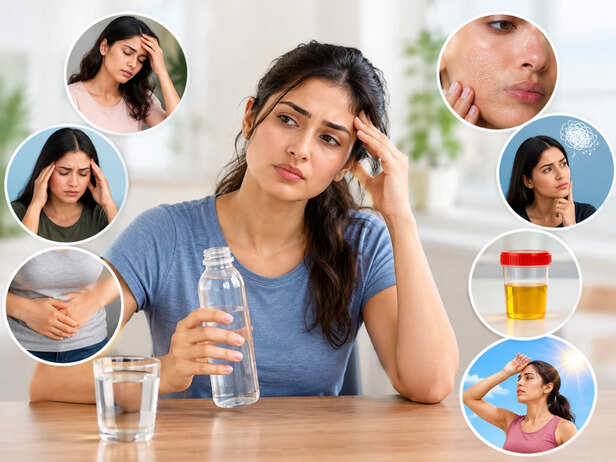
Have you ever felt tired, developed a headache, or struggled to concentrate even after getting enough sleep? Sometimes, the reason may be simpler than you think. You might not be drinking enough water.
Water helps regulate body temperature, transport nutrients, support digestion, and remove waste. When your body loses more fluids than you replace, dehydration can occur. It may begin with mild symptoms, but severe dehydration can become dangerous if left untreated.
So, what happens when you regularly drink too little water? Here are seven ways your body may respond.
1. You May Feel Tired and Weak
If you often feel low on energy, your water intake is worth checking.
Water helps maintain blood volume and supports circulation. When you become dehydrated, your blood volume can decrease, making it harder for your body to maintain normal circulation. You may feel tired, weak, or less energetic than usual.
Even mild dehydration can affect how you feel during everyday activities, especially in hot weather or after exercise.
What can help? Drink water regularly throughout the day instead of waiting until you feel very thirsty. If you are physically active or spending time outdoors in the heat, you may need additional fluids.
2. You May Experience Headaches
A headache can have many causes, including stress, poor sleep, skipped meals, and dehydration.
When you do not drink enough water, you may develop a headache or notice that an existing headache becomes worse. Some people also experience light-headedness, particularly when standing up.
However, not every headache is caused by dehydration. If headaches keep returning, become severe, or occur alongside other unusual symptoms, consult a healthcare professional rather than assuming you simply need more water.
3. Your Digestion May Slow Down
Water plays an important role in digestion. It helps soften stools and supports the movement of waste through the digestive system.
When you do not get enough fluids, your body may absorb more water from waste in the intestines. This can make stools harder and more difficult to pass, increasing the risk of constipation.
You might notice:
- Hard or dry stools
- Difficulty passing stools
- Less frequent bowel movements
- Bloating or discomfort
Drinking enough water, eating fibre-rich foods, and staying physically active can help support regular bowel movements.
If constipation continues despite these changes, seek medical advice.
4. Your Skin May Feel Dry
Have you noticed that your skin feels tight or less comfortable after a long, hot day?
Not drinking enough water can contribute to dehydration throughout the body, including changes in how your skin feels. You may notice dryness or reduced comfort, although skin dryness can also result from weather, harsh skincare products, or certain skin conditions.
It is important to understand that drinking extra water does not automatically remove wrinkles or transform your skin. If you already drink enough fluids, increasing your intake beyond your body's needs may not provide additional skin benefits.
A simple habit: Drink water regularly and use a moisturiser suited to your skin type, especially during dry or cold weather.
5. You May Find It Harder to Concentrate
Your brain depends on a steady supply of water to function properly. When you become dehydrated, you may experience difficulty concentrating, reduced alertness, or changes in mood.
You might find it harder to focus on work, remember small details, or complete tasks that usually feel easy. These effects can become more noticeable when dehydration occurs alongside heat, physical activity, or inadequate sleep.
If you spend long hours studying or working, keep water within reach and take regular drinking breaks.
Remember that concentration problems can have many causes. Persistent or significant changes should not automatically be blamed on dehydration.
6. Your Urine May Become Darker
Your urine can provide a useful clue about your hydration level.
When you drink too little water, your kidneys conserve fluid by producing less urine. As a result, your urine may become darker yellow, and you may urinate less often than usual.
Here is a simple guide:
- Pale yellow: Often a sign of adequate hydration.
- Dark yellow: May indicate that you need more fluids.
- Very little urine: Can be a warning sign of significant dehydration, especially with other symptoms.
Urine colour is not a perfect measure of hydration. Certain medicines, supplements, foods, and medical conditions can also change its appearance.
If you notice very little urine, persistent dark urine, or other concerning symptoms, seek medical advice.
7. Your Body May Struggle in Hot Weather
Water helps regulate body temperature through sweating. When you lose fluids through sweat without replacing them, your risk of heat-related illness can increase.
This is especially important during summer, outdoor work, exercise, or travel in hot and humid conditions.
Possible warning signs include:
- Excessive thirst
- Heavy sweating
- Muscle cramps
- Weakness or dizziness
- Headache and nausea
If you suspect dehydration during hot weather, move to a cooler place and drink fluids if you are alert and able to swallow safely.
Confusion, fainting, seizures, or a very high body temperature can indicate a medical emergency. Seek emergency care immediately.
How Much Water Should You Drink Every Day?
There is no single amount of water that works for everyone. Your needs depend on your age, activity level, climate, diet, pregnancy status, and overall health.
You can get fluids from plain water, other drinks, and foods such as watermelon, cucumber, oranges, and soups.
A few simple habits can help you stay hydrated:
- Start your morning with water: Keep a glass of water near your bed or have some with breakfast.
- Drink throughout the day: Take regular sips rather than relying entirely on thirst.
- Carry a water bottle: This can make drinking water easier when you are travelling or working.
- Increase fluids when needed: Hot weather, exercise, fever, vomiting, and diarrhoea can increase fluid loss.
- Pay attention to your body: Thirst, urine colour, and how often you urinate can provide useful clues.
Avoid forcing yourself to drink excessive amounts of water quickly. Drinking too much water in a short period can dangerously lower the sodium level in your blood.
People with certain kidney, heart, or liver conditions may need specific fluid limits. Follow your healthcare professional's advice if you have been told to restrict fluids.
When Should You Seek Medical Help?
Mild dehydration often improves when you replace lost fluids. However, severe dehydration requires urgent medical attention.
Seek prompt medical care if you experience persistent dizziness, unusual weakness, a rapid heartbeat, or very little urine.
Confusion, fainting, seizures, or difficulty staying awake require emergency attention. If vomiting or diarrhoea prevents you from keeping fluids down, contact a healthcare professional. Oral rehydration solution may be recommended to replace both fluids and essential salts.
Do not rely on drinking plain water alone to manage severe dehydration.
Small Sips Can Make a Difference
Drinking too little water can affect your energy, digestion, concentration, and ability to regulate body temperature. The early signs may be easy to overlook, especially when you are busy or spending long hours outdoors.
The good news is that regular hydration is a simple habit you can build into your daily routine. Keep water nearby, drink throughout the day, and increase your fluid intake when your body needs more.
Paying attention to these small signals can help you recognise dehydration early and support your overall well-being.
Unlock insightful tips and inspiration on personal growth, productivity, and well-being. Stay motivated and updated with the latest at My Life XP.