
What Is Prediabetes and Can It Be Reversed?
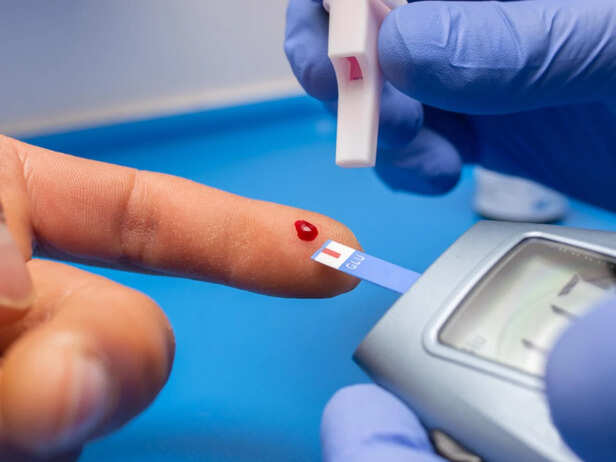
Your blood sugar levels could be higher than normal even if you feel completely healthy. You may not experience unusual thirst, frequent urination or tiredness, yet your body could already be showing an early warning sign of diabetes. This condition is called prediabetes. The good news is that it does not mean you will definitely develop type 2 diabetes. With timely testing and changes to your daily routine, you can often bring your blood sugar levels back into the normal range.
What Exactly Is Prediabetes?
Prediabetes is a condition in which the body struggles to keep blood sugar within a healthy range. This often happens because of insulin resistance, meaning the body's cells do not respond properly to insulin. As a result, glucose stays in the bloodstream instead of entering cells efficiently. Although the condition increases the risk of type 2 diabetes, it does not mean diabetes is inevitable. Early action can help improve insulin sensitivity and bring blood sugar levels back into the normal range.
Why Can Prediabetes Go Unnoticed?
One reason prediabetes catches people by surprise is that it usually has no clear symptoms. Someone may continue working, eating normally and following their usual routine without realising their blood sugar is rising. Some people experience increased thirst, tiredness or frequent urination, but these symptoms are not reliable ways to identify prediabetes. Many discover the condition only after a routine health check. This is why people with risk factors should not wait for physical symptoms before getting their blood sugar tested.
What Do Your Blood Sugar Test Results Mean?
A simple blood test can help identify whether your blood sugar is within the normal range. Doctors commonly use three tests to check for prediabetes. An HbA1c test measures average blood sugar over approximately three months. A fasting blood sugar test checks glucose after an overnight fast, while an oral glucose tolerance test measures how the body handles sugar after a glucose drink. The commonly used prediabetes ranges are:
- HbA1c: 5.7% to 6.4%.
- Fasting blood sugar: 100 to 125 mg/dL.
- Two-hour glucose tolerance test: 140 to 199 mg/dL.
Your doctor may recommend repeat testing to confirm the results.
What Increases Your Risk of Prediabetes?
Prediabetes can develop due to a combination of lifestyle, genetic and health-related factors. Excess weight, particularly around the waist, can increase insulin resistance. Spending long hours sitting, regularly consuming sugary drinks, eating highly processed foods and getting insufficient physical activity can also contribute. Having a parent or sibling with type 2 diabetes may increase your risk. Other factors include high blood pressure, abnormal cholesterol levels and a history of gestational diabetes. However, prediabetes can also affect people who do not have excess body weight.
Can Prediabetes Actually Be Reversed?
Yes, prediabetes can often be reversed in the sense that blood sugar levels can return to the normal range. However, this does not guarantee permanent protection from diabetes. The most effective approach is to improve insulin sensitivity through consistent lifestyle changes. Research-backed diabetes prevention programmes recommend that adults with excess weight aim to lose around 5% to 7% of their starting body weight and complete at least 150 minutes of moderate physical activity every week. Even small, steady improvements can make a difference.
What Should You Eat to Control Blood Sugar?
You do not need to stop eating rice or roti completely after a prediabetes diagnosis. Instead, focus on portion sizes and balanced meals. Include vegetables, dal, beans, chickpeas, whole grains, nuts and suitable protein sources in your daily diet. Choose whole fruit instead of fruit juice, and limit sugary drinks, sweets, refined snacks and heavily processed foods. Pairing carbohydrate-rich foods with protein and fibre can also help make meals more balanced. A dietitian can help you create an eating plan that suits your health needs and food preferences.
How Can You Keep Prediabetes Under Control?
Start with manageable changes rather than trying to change your entire routine overnight. Aim for at least 30 minutes of brisk walking on five days of the week. Break up long periods of sitting, maintain a consistent sleep schedule and work towards a healthy weight if needed. Most importantly, follow your doctor's advice on repeat HbA1c or glucose testing. Some people may also need medical treatment depending on their individual risk. Never stop prescribed medication or rely on home remedies as a substitute for medical care.
Unlock insightful tips and inspiration on personal growth, productivity, and well-being. Stay motivated and updated with the latest at My Life XP.