What Makes You a Mosquito Magnet?
Palak Khanna | Jun 04, 2026, 17:01 IST
Have you ever sat outdoors with friends only to find yourself covered in itchy mosquito bites while someone next to you remains untouched? It may seem unfair, but science suggests there are real reasons behind this mystery. Factors such as body chemistry, genetics, blood type, skin bacteria, and even what we wear can influence how attractive we are to mosquitoes. While no one is completely invisible to these tiny insects, some people naturally produce fewer signals that mosquitoes love. Understanding why mosquitoes choose certain targets can help us better protect ourselves and reduce the risk of mosquito-borne diseases.

Almost everyone knows that one person who seems immune to mosquito bites. While others are constantly swatting and scratching, they sit comfortably without a single bite. It often feels like a superpower. The truth is far more fascinating. Mosquitoes do not randomly choose their victims. They use a complex system of smell, heat detection, and chemical sensing to find the perfect target. Scientists have discovered that some people naturally emit stronger signals that attract mosquitoes, while others produce fewer of the cues these insects seek. So, why do mosquitoes seem obsessed with some people and ignore others? The answer lies in a surprising mix of biology, genetics, and everyday habits.
![Why Mosquitoes Pick Certain People]()
Mosquitoes are experts at detecting chemicals released by the human body. Every time we breathe, sweat, or simply exist, we emit compounds into the air. One of the strongest attractants is carbon dioxide. Mosquitoes can detect it from impressive distances and use it to locate potential hosts. People who naturally exhale more carbon dioxide often attract more mosquitoes. Sweat also plays a role. Chemicals such as lactic acid, ammonia, and uric acid can make certain individuals more appealing. Even after exercising for a short period, your body's scent profile changes, making you easier for mosquitoes to find. This means that two people sitting side by side may be sending completely different signals into the air.
![Could Your Genes Make You a Mosquito Magnet?]()
Some scientists believe our genes have a significant influence on how attractive we are to mosquitoes. Research suggests that inherited traits affect the chemicals our skin produces. These compounds create a unique scent signature that mosquitoes can detect. In some cases, people naturally generate substances that attract mosquitoes, while others produce chemicals that may be less appealing. This genetic factor helps explain why certain people seem to get bitten repeatedly throughout their lives, regardless of where they live or what products they use. In many ways, mosquito attraction may begin long before you step outside.
A popular theory supported by several studies suggests mosquitoes may have preferences when it comes to blood type. Research has found that mosquitoes often land more frequently on people with Type O blood compared to those with Type A. Individuals with Type B typically fall somewhere in between. Scientists believe mosquitoes can detect chemical markers secreted through the skin that reveal a person's blood type. While blood type alone does not determine whether you will get bitten, it may influence how attractive you appear to a hungry mosquito. For people who feel like mosquito magnets, their blood type could be part of the reason.
![The Invisible Skin Signals Mosquitoes Can Smell]()
Your skin is home to billions of harmless bacteria. These microorganisms create unique odors that contribute to your personal scent. Interestingly, mosquitoes are highly sensitive to these scents. Some bacterial combinations produce odors that mosquitoes find irresistible, while others appear less attractive. This means that attraction is not just about sweat or blood. It is also about the invisible ecosystem living on your skin. Scientists are currently studying whether understanding these bacterial communities could lead to better mosquito repellents in the future. The idea of using beneficial bacteria to reduce mosquito attraction could open exciting new possibilities.
Sometimes, mosquito preference has more to do with your surroundings and habits than your biology. People who exercise frequently may attract more mosquitoes because they produce additional body heat and carbon dioxide. Pregnant women are also known to attract mosquitoes more often due to increased body temperature and breathing rates. Clothing choices matter too. Dark colors such as black, navy, and red make people easier for mosquitoes to spot. Bright or lighter shades tend to be less attractive. Even drinking alcohol has been linked in some studies to increased mosquito attraction. Small lifestyle differences can sometimes explain why mosquitoes seem to target one person more than another.
The idea that some people never get mosquito bites is not entirely true. Mosquitoes can bite almost anyone if given the opportunity. However, certain individuals naturally emit fewer signals that attract these insects, making them less noticeable targets. From genetics and blood type to skin bacteria and daily habits, many factors influence mosquito behavior. What seems like pure luck is often the result of complex biological processes happening beneath the surface. The next time you wonder why mosquitoes keep choosing you over everyone else, remember that these tiny insects are not making random decisions. They are following a surprisingly sophisticated set of clues, many of which are written into your biology.
Unlock insightful tips and inspiration on personal growth, productivity, and well-being. Stay motivated and updated with the latest atMy Life XP.
Your Body Chemistry Is Sending Signals

Why Mosquitoes Pick Certain People
Mosquitoes are experts at detecting chemicals released by the human body. Every time we breathe, sweat, or simply exist, we emit compounds into the air. One of the strongest attractants is carbon dioxide. Mosquitoes can detect it from impressive distances and use it to locate potential hosts. People who naturally exhale more carbon dioxide often attract more mosquitoes. Sweat also plays a role. Chemicals such as lactic acid, ammonia, and uric acid can make certain individuals more appealing. Even after exercising for a short period, your body's scent profile changes, making you easier for mosquitoes to find. This means that two people sitting side by side may be sending completely different signals into the air.
Genetics May Decide Your Mosquito Appeal
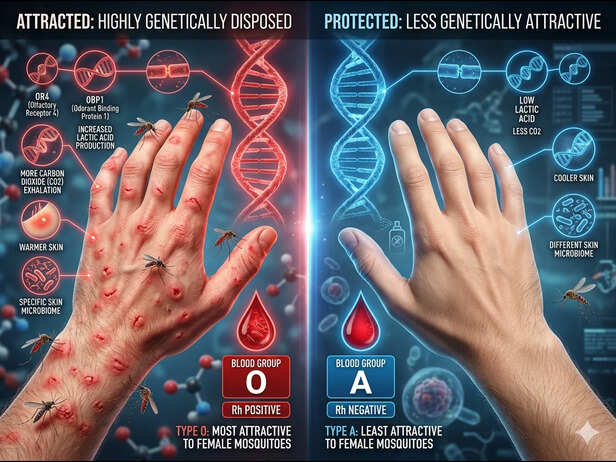
Could Your Genes Make You a Mosquito Magnet?
Some scientists believe our genes have a significant influence on how attractive we are to mosquitoes. Research suggests that inherited traits affect the chemicals our skin produces. These compounds create a unique scent signature that mosquitoes can detect. In some cases, people naturally generate substances that attract mosquitoes, while others produce chemicals that may be less appealing. This genetic factor helps explain why certain people seem to get bitten repeatedly throughout their lives, regardless of where they live or what products they use. In many ways, mosquito attraction may begin long before you step outside.
Your Blood Type Might Matter
Skin Bacteria Can Make a Big Difference
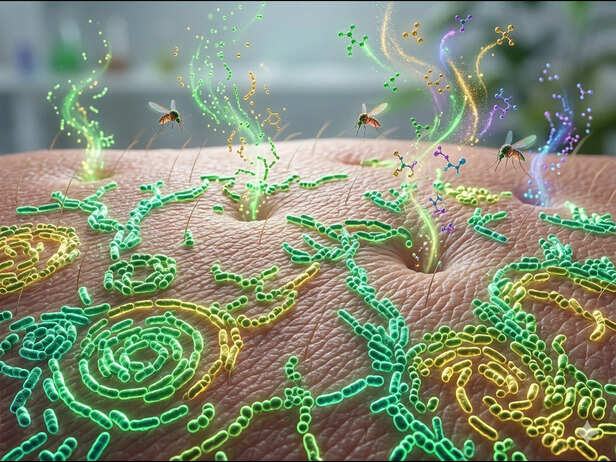
The Invisible Skin Signals Mosquitoes Can Smell
Your skin is home to billions of harmless bacteria. These microorganisms create unique odors that contribute to your personal scent. Interestingly, mosquitoes are highly sensitive to these scents. Some bacterial combinations produce odors that mosquitoes find irresistible, while others appear less attractive. This means that attraction is not just about sweat or blood. It is also about the invisible ecosystem living on your skin. Scientists are currently studying whether understanding these bacterial communities could lead to better mosquito repellents in the future. The idea of using beneficial bacteria to reduce mosquito attraction could open exciting new possibilities.
Lifestyle and Environment Influence Mosquito Attraction
The Real Secret Behind Mosquito Magnetism
Unlock insightful tips and inspiration on personal growth, productivity, and well-being. Stay motivated and updated with the latest atMy Life XP.