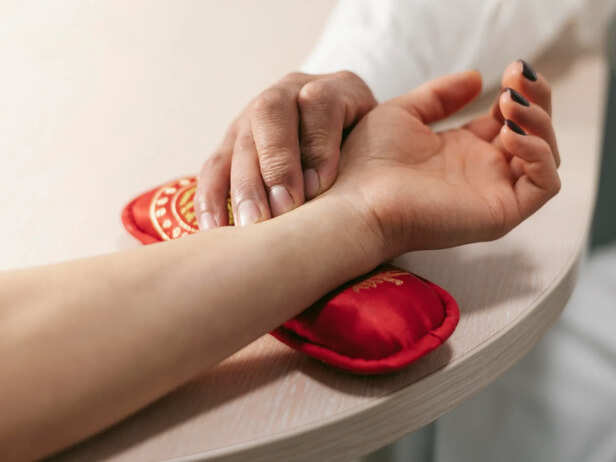
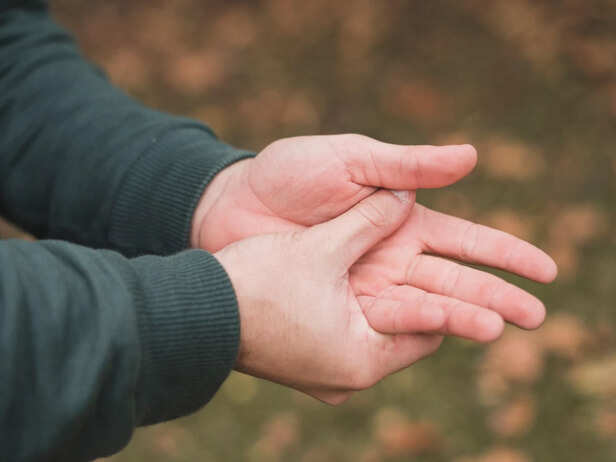
Your room feels warm, everyone around you is comfortable, but your hands and feet still feel like ice. You may rub your fingers together, wear another pair of socks or sit closer to a heater, yet the cold refuses to go away. While occasional cold hands and feet are usually harmless, experiencing them regularly could be your body's way of signalling that something needs attention. From poor blood circulation to an underactive thyroid, several hidden factors can affect how your body keeps its extremities warm.
Poor Blood Circulation
![How Blood Circulation Affects Your Hands and Feet]()
How Blood Circulation Affects Your Hands and Feet
Image credit : Freepik
Your hands and feet are among the first body parts to feel cold when blood circulation slows down. Blood carries oxygen and heat throughout the body, but when blood vessels narrow or blood flow becomes restricted, less warm blood reaches your extremities. This can happen because of circulation-related conditions, including peripheral artery disease (PAD). If you frequently experience cold feet along with leg pain while walking, numbness or slow-healing wounds, consult a healthcare professional.
Raynaud's Phenomenon
![Raynaud's Can Change Your Finger Colour]()
Raynaud's Can Change Your Finger Colour
Image credit : Freepik
Do your fingers suddenly become extremely cold, even when you are sitting comfortably indoors? One possible explanation is Raynaud's phenomenon. In this condition, small blood vessels become unusually sensitive to cold temperatures and stress, temporarily restricting blood flow. Your fingers or toes may turn white, blue or purple before becoming red as circulation returns. You may also experience numbness, tingling or pain. These episodes can last several minutes or longer, depending on the person. Frequent or severe episodes deserve medical attention.
Iron Deficiency Anaemia
If your hands and feet feel cold along with constant tiredness, weakness or dizziness, iron deficiency anaemia could be one possible reason. Iron helps your body produce haemoglobin, a protein in red blood cells that carries oxygen. When iron levels become too low, your body may not produce enough healthy red blood cells. Some people with anaemia also experience cold hands and feet, although this symptom alone cannot confirm the condition. A doctor may recommend blood tests to check your haemoglobin and iron levels.
An Underactive Thyroid
Your thyroid gland helps regulate metabolism, which affects how your body uses energy and produces heat. When it does not produce enough thyroid hormones, a condition known as hypothyroidism, your body processes may slow down. This can make you more sensitive to cold, even when other people feel comfortable. You may also notice unexplained weight gain, dry skin, constipation, tiredness or hair thinning. If several of these symptoms occur together, a healthcare professional may recommend thyroid function tests.
Stress and Anxiety
Cold hands are not always connected to a physical illness. Sometimes, your emotional state can affect your body temperature. When you experience stress or anxiety, your body activates its fight-or-flight response. This causes blood vessels in the extremities to narrow, directing more blood towards vital organs. As a result, your fingers and toes may feel cold or clammy during stressful situations. If this happens occasionally, relaxation techniques, slow breathing and regular physical activity may help you manage the response.
Diabetes and Nerve Problems
People living with diabetes can sometimes experience unusual sensations in their feet because of peripheral neuropathy, a type of nerve damage. It can cause numbness, tingling, burning or reduced sensitivity to temperature. This means your feet may feel cold even when their actual temperature is normal. Diabetes can also affect blood vessels and circulation. If you have diabetes and notice persistent changes in your feet, get them examined regularly. Do not ignore wounds, changes in skin colour or injuries that you cannot feel properly.
Certain Medicines Can Affect Circulation
Sometimes, the reason behind constantly cold hands and feet may be hiding in your medicine cabinet. Certain medicines, including some beta-blockers used for high blood pressure and particular migraine or cold medications, can affect blood vessel activity and circulation. If you started experiencing cold extremities after beginning a new medicine, discuss it with your doctor. They can review your prescription and check whether it could be contributing to the problem. Never stop or change a prescribed medicine without medical advice.
What Can You Do to Keep Your Hands and Feet Warm?
- If your hands and feet frequently feel cold, a few everyday habits may help:
- Keep your extremities covered: Wear comfortable socks and gloves when temperatures drop.
- Stay physically active: Walking and regular movement help support healthy circulation.
- Avoid smoking: Nicotine can narrow blood vessels and affect blood flow.
- Manage stress: Breathing exercises, yoga and relaxation can help reduce stress-related symptoms.
- Eat a balanced diet: Include iron-rich foods such as lentils, beans, leafy greens and fortified cereals.
- Stay hydrated: Drink enough water throughout the day to support normal body functions.
These steps may improve comfort, but they cannot replace medical treatment when an underlying condition is responsible.
When Should You See a Doctor?
Occasional cold hands and feet are usually not a reason to worry. However, if they remain cold even in warm surroundings, it is worth discussing the problem with a healthcare professional. Pay attention to symptoms such as persistent numbness, tingling, pain, unusual skin colour changes, fatigue or sores that do not heal.
Seek urgent medical attention if one hand or foot suddenly becomes unusually cold, pale or blue, particularly when accompanied by severe pain, numbness or weakness. This could indicate a sudden interruption in blood supply.
Experiencing frequent stress, fatigue, or health challenges? Your name energy may be worth exploring. Check it here.Unlock insightful tips and inspiration on personal growth, productivity, and well-being. Stay motivated and updated with the latest at
My Life XP.