
Why Does Blood Pressure Increase at Night?
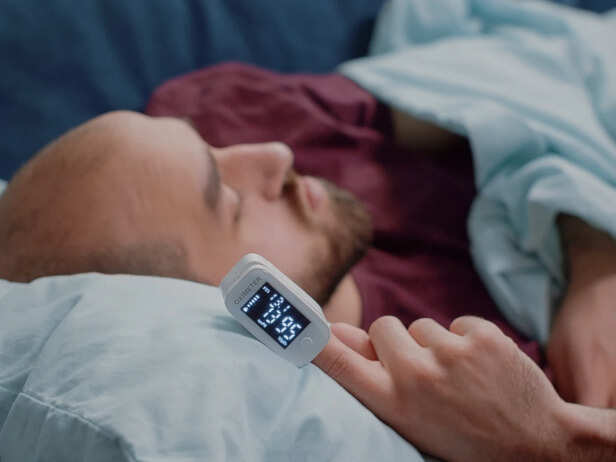
You go to bed expecting your body to rest, but something unexpected may be happening inside it. Instead of falling, your blood pressure may remain high or even increase while you sleep. This is not always easy to notice because there may be no obvious symptoms. While blood pressure normally follows a daily pattern and drops during sleep, some people experience the opposite. The reasons can range from poor sleep and stress to sleep disorders and underlying health conditions.
Sleep Apnoea Can Raise Blood Pressure
One lesser-known reason for high blood pressure at night is obstructive sleep apnoea. In this condition, the airway repeatedly becomes blocked during sleep, causing breathing to stop briefly or become restricted. The body responds by releasing stress hormones and increasing heart activity. This can disturb the normal nighttime fall in blood pressure. Loud snoring, waking up gasping for air, morning headaches and daytime tiredness are common warning signs.
Poor Sleep Keeps Your Body Alert
Your body needs uninterrupted sleep to regulate heart rate, hormones and blood pressure. However, insomnia, frequent awakenings and irregular sleep schedules can keep the nervous system active when it should be resting. This may prevent blood pressure from falling normally. Even if you spend seven or eight hours in bed, poor-quality sleep can affect your body's recovery. If you regularly wake up feeling exhausted, your sleep pattern deserves attention.
Kidney Problems Can Affect Nighttime BP
Your kidneys do more than remove waste from your body. They also regulate salt, water and fluid balance, which directly affect blood pressure. When kidney function becomes impaired, the body may retain excess sodium and fluid. This can make blood pressure harder to control, including during sleep. People with diabetes or existing kidney disease may have a greater risk of nighttime hypertension. Persistent swelling, changes in urination and unexplained fatigue should be discussed with a doctor.
Too Much Salt Can Affect Your BP
Late-night eating habits may also contribute to the problem, particularly when meals contain excessive salt. Packaged snacks, instant noodles, pickles, papad and processed foods can add significant sodium to your diet. Excess sodium can cause the body to retain water, increasing the volume of blood circulating through your vessels. This effect is particularly relevant for people who are sensitive to salt or already have high blood pressure. Reducing salt intake can help improve overall BP control.
Stress Can Keep Your Nervous System Active
Have you ever gone to bed physically tired but found your mind constantly thinking about work, money or personal problems? Persistent stress can activate the sympathetic nervous system, which controls the body's fight-or-flight response. This can increase heart rate and blood pressure. When this response remains active at night, your body may struggle to relax properly. Poor sleep and stress can also influence each other, creating a cycle that affects blood pressure over time.
Diabetes and Hormonal Changes May Play a Role
Diabetes can damage the nerves that help regulate blood pressure and heart rate. This condition, known as diabetic autonomic neuropathy, may interfere with the normal nighttime BP drop. Certain hormonal disorders can also affect blood pressure regulation. Changes involving hormones such as aldosterone and cortisol may contribute to abnormal BP patterns. This is why people with diabetes, obesity or certain endocrine conditions may need closer monitoring rather than relying only on occasional daytime readings.
Some Medicines and Habits Can Disrupt BP Control
Some medications, including certain painkillers such as NSAIDs, can increase blood pressure in some people. Nicotine and alcohol may also affect blood pressure and sleep quality. Another common mistake is changing the timing or dose of prescribed BP medicines without medical advice. If your readings remain high at night despite treatment, speak to your doctor about your medication schedule and possible contributing factors. Never stop or shift your medicines on your own.
How to Know If Your BP Is Rising at Night
The tricky part is that nighttime hypertension often has no obvious symptoms. You may sleep normally and still have elevated blood pressure. A doctor may recommend 24-hour Ambulatory Blood Pressure Monitoring (ABPM), in which you wear a portable monitor that records your BP at regular intervals during the day and night.
According to European guidelines, an average nighttime reading above 120/70 mmHg on ABPM is considered high. A single reading is not enough to establish a diagnosis.
5 Ways to Support Healthy Nighttime BP
- Reduce salt: Limit packaged snacks, instant foods and excessively salty meals.
- Maintain a sleep schedule: Go to bed and wake up at consistent times.
- Manage stress: Try slow breathing, relaxation or meditation before bedtime.
- Stay physically active: Regular exercise can support healthy blood pressure.
- Follow your treatment: Take prescribed medicines as directed and discuss unusual readings with your doctor.
If you snore loudly, wake up gasping or feel unusually tired during the day, ask your doctor whether you need a sleep assessment.
Don't Ignore What Happens While You Sleep
Blood pressure is not just a daytime health concern. Your body follows a natural rhythm, and your heart and blood vessels need proper rest at night. When blood pressure remains high during sleep, it can be an early clue to an underlying problem involving sleep, kidneys, diabetes or other health conditions.
The biggest mistake is assuming that normal daytime readings mean everything is fine. Pay attention to your sleep, monitor your blood pressure correctly and seek medical advice when readings remain high. Taking care of your heart also means taking care of what happens when you close your eyes.
Unlock insightful tips and inspiration on personal growth, productivity, and well-being. Stay motivated and updated with the latest at My Life XP.