
Why Does Your Stomach Bloat Even When You Eat Healthy?
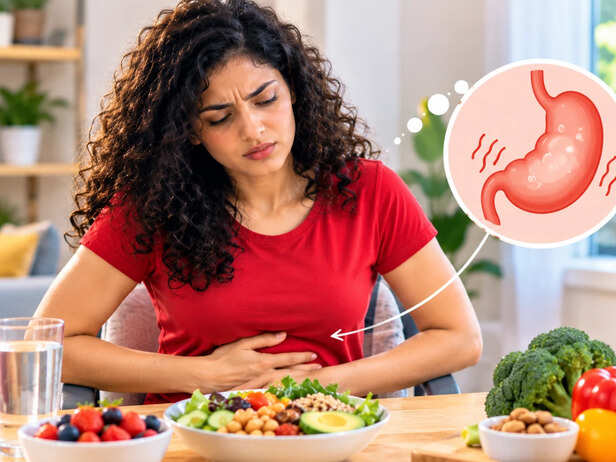
You have switched to home-cooked meals, added more fruits and vegetables to your plate, and reduced junk food. Yet, by the end of the day, your stomach feels swollen, tight, or uncomfortably full. Sound familiar?
Bloating can be frustrating, especially when you are trying to eat well. But a healthy diet does not automatically prevent gas or digestive discomfort. Some nutritious foods contain fibres and carbohydrates that gut bacteria break down, producing gas in the process.Bloating can also be linked to how quickly you eat, constipation, food intolerances, or changes in your digestive system.The good news is that you do not necessarily need to give up healthy foods. Here are seven possible reasons your stomach may bloat even when you eat well.
1. You May Be Eating Too Much Fibre Too Quickly
Fibre is essential for healthy digestion. It supports regular bowel movements and helps maintain gut health. However, suddenly increasing your fibre intake can leave your stomach feeling bloated.For example, if you recently started eating larger portions of oats, lentils, beans, whole grains, or vegetables, your digestive system may need time to adjust.Gut bacteria break down certain types of fibre, producing gas as a natural result. If your body is not accustomed to a higher-fibre diet, this process may cause temporary discomfort.
What can help?
- Increase your fibre intake gradually.
- Drink enough fluids throughout the day.
- Include a variety of fibre-rich foods rather than eating large amounts of one food.
- Pay attention to portion sizes.
You do not need to avoid fibre. The aim is to increase it at a pace your digestive system can tolerate.
2. Some Healthy Foods May Produce More Gas
Certain nutritious foods are more likely to cause gas because they contain carbohydrates that are not completely digested in the small intestine.When these carbohydrates reach the large intestine, bacteria ferment them and release gas.Common examples include:
- Beans, chickpeas, and lentils
- Broccoli, cauliflower, and cabbage
- Onions and garlic
- Apples and pears
- Some dairy products
- Certain whole grains
These foods are not unhealthy. In fact, many provide important vitamins, minerals, and fibre. However, the amount you eat and your individual digestive sensitivity can influence how your body responds.
Try this: Notice whether particular foods consistently trigger bloating. You can experiment with smaller portions, cook vegetables thoroughly, or soak and cook dried legumes properly.Avoid eliminating several food groups without a clear reason. If symptoms are frequent, a registered dietitian can help you identify possible triggers while keeping your diet balanced.
3. You May Be Eating Too Quickly
Sometimes, bloating has less to do with what you eat and more to do with how you eat.When you eat quickly, talk while chewing, chew gum, or drink fizzy beverages, you may swallow more air. Some of that air can become trapped in your digestive system, causing discomfort, belching, or a feeling of fullness.Eating large meals quickly can also make it harder to recognise when you are comfortably full.A few simple changes may help:
- Eat slowly and chew your food thoroughly.
- Sit down for meals instead of rushing between tasks.
- Avoid gulping drinks.
- Reduce carbonated beverages if they make you feel bloated.
- Try smaller meals if large portions cause discomfort.
You do not have to follow complicated food rules. Giving yourself enough time to eat can make a noticeable difference.
4. Constipation Could Be the Reason
You can eat plenty of healthy food and still experience constipation.When stools move slowly through the digestive tract, they may become hard and difficult to pass. Stool buildup can contribute to abdominal fullness, discomfort, and bloating.This can happen if you are not drinking enough fluids, are physically inactive, have changed your routine, or have increased fibre without gradually adjusting your intake.
You may notice that your stomach feels more swollen when you have not had a bowel movement for a while.
What can help?
Drink adequate fluids, move your body regularly, and maintain consistent meal and bathroom routines. Increase fibre gradually if your current intake is low.If constipation persists, is new and unexplained, or comes with significant pain or blood in your stool, consult a healthcare professional.
5. You May Have a Food Intolerance
A food can be nutritious and still cause digestive problems if your body struggles to digest or absorb certain components.One common example is lactose intolerance. People with this condition have difficulty digesting lactose, the natural sugar found in milk and some dairy products.After consuming lactose, they may experience bloating, gas, abdominal pain, or diarrhoea.
Other carbohydrates, including certain fermentable carbohydrates found in wheat, onions, legumes, and some fruits, may trigger symptoms in people with sensitive digestive systems.Food intolerance is different from a food allergy. An allergy involves an immune response and can sometimes cause serious reactions.If you suspect a food intolerance, keep a food and symptom diary and discuss the pattern with a healthcare professional. Do not remove major food groups from your diet without considering their nutritional value and suitable alternatives.
6. Hormonal Changes May Affect Your Stomach
Have you noticed that your stomach feels more swollen at certain times of the month?Hormonal changes around menstruation can contribute to fluid retention, changes in bowel habits, and bloating. Some people experience these symptoms in the days leading up to their period.You may feel that your clothes fit more tightly or that your abdomen feels fuller even though your eating habits have not changed.
This type of bloating may come and go with your menstrual cycle.Staying physically active, drinking enough water, eating regular meals, and identifying your personal triggers may help manage discomfort.However, persistent bloating, severe menstrual pain, unusually heavy bleeding, or symptoms that interfere with daily activities deserve medical attention.
7. Your Gut May Be More Sensitive Than You Realise
Sometimes, bloating is not caused by excessive gas alone. The digestive system may be particularly sensitive to normal amounts of gas or changes in the movement of the intestines.This can occur in people with irritable bowel syndrome (IBS), a digestive condition that may cause recurring abdominal pain, bloating, diarrhoea, constipation, or a combination of bowel symptoms.Stress can also influence communication between the brain and gut, making digestive discomfort more noticeable in some people.
If bloating happens frequently alongside abdominal pain or changes in bowel habits, it is worth discussing your symptoms with a doctor. They can assess whether a digestive condition or another medical issue may be responsible.Do not assume that persistent bloating is simply part of having a sensitive stomach.
How to Reduce Bloating Without Giving Up Healthy Foods
You do not need to abandon your healthy eating habits just because you experience occasional bloating. Start with small changes and observe how your body responds.
- Keep a food diary: Record what you eat, when bloating starts, and how long it lasts.
- Eat at a comfortable pace: Slow down and chew thoroughly.
- Increase fibre gradually: Give your digestive system time to adjust.
- Stay hydrated: Adequate fluid intake supports normal bowel movements.
- Move after meals: A gentle walk may help support digestion.
- Watch portion sizes: Even nutritious foods can cause discomfort when eaten in large amounts.
- Identify patterns: Notice whether symptoms follow certain foods, large meals, or particular points in your menstrual cycle.
Avoid starting restrictive diets or taking digestive supplements without understanding the cause of your symptoms.
When Should You See a Doctor?
Occasional bloating is common and often improves on its own. However, bloating that happens frequently, persists, or becomes progressively worse should not be ignored.Seek medical advice if you experience bloating alongside unexplained weight loss, blood in your stool, persistent changes in bowel habits, loss of appetite, or ongoing abdominal pain.Seek urgent medical care if you develop severe or sudden abdominal pain, repeated vomiting, or a swollen abdomen with an inability to pass stool or gas.
Persistent bloating accompanied by feeling full quickly, pelvic discomfort, or needing to urinate more often also warrants medical assessment, particularly if these symptoms are new.
A Healthy Diet Should Feel Comfortable, Too
Eating healthy is an important part of looking after your body, but digestive comfort can vary from person to person. Foods that suit one person may cause gas or bloating in another.Instead of cutting out nutritious foods unnecessarily, pay attention to portion sizes, eating habits, bowel movements, and recurring symptoms. Small adjustments may be enough to help you feel more comfortable.If bloating keeps returning or affects your daily life, seek professional advice to understand the cause. A balanced diet should support your health without leaving you constantly worried about what you can eat.
Unlock insightful tips and inspiration on personal growth, productivity, and well-being. Stay motivated and updated with the latest at My Life XP.