
Why Tea on an Empty Stomach Feels Different From Tea After Food
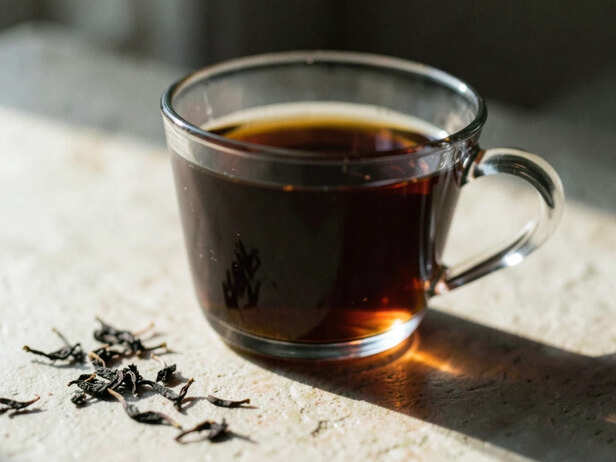
There is a particular kind of unease that comes from tea on an empty stomach, a low-grade nausea, sometimes a headache, occasionally a hollow restlessness that feels nothing like the calm the cup was supposed to deliver. Most people chalk it up to caffeine. Caffeine is part of it, but only part. The fuller explanation sits in the chemistry of what tea contains, and what an unfed stomach does when it meets those compounds without a buffer.
What Your Stomach Is Doing Before the First Meal
After a night without food, the stomach is already producing acid in anticipation of a meal. This is a normal part of the digestive cycle, the body prepares for food before food arrives. The stomach lining is protected from this acid by a layer of mucus, but that protection has limits. When tea arrives before food, it brings its own set of compounds that interact with an already-acidic, already-primed environment in ways that a post-meal cup does not.
Tannins and the Lining They Meet
Tea contains tannins, polyphenolic compounds that give black and green teas their astringency. On a full stomach, tannins bind to proteins in the food you have eaten and pass through without much incident. On an empty stomach, there are no food proteins to bind to. Instead, tannins interact directly with the stomach lining and can increase acid secretion. For people whose stomach lining is already sensitive, from a tendency toward gastritis, from stress, or simply from individual variation, this can produce nausea, a burning sensation, or a general feeling of unsettlement that gets blamed on the tea being too strong or too hot. The tea's strength is rarely the issue. The timing is.
Caffeine Without a Brake
Caffeine on an empty stomach enters the bloodstream faster than it does after food. Food slows gastric emptying, the rate at which the stomach passes its contents to the small intestine, which means caffeine absorbed alongside a meal reaches peak concentration in the blood more gradually. Without food, the curve is steeper and faster. This is why the same cup that feels pleasant at 10 a.m. after breakfast can feel jittery or anxious at 6 a.m. before it. The dose has not changed. The rate of absorption has. Caffeine also stimulates the release of cortisol, a hormone the body is already producing in higher amounts in the early morning. Stacking a caffeine-driven cortisol spike onto an already-elevated morning baseline can leave some people feeling wired rather than alert, a distinction the body notices even when the mind does not.
Blood Sugar and the Hollow Feeling
After several hours without food, blood glucose is at its lowest point of the day. Tea, particularly without milk or sugar, adds no glucose to the system. What it does add is caffeine, which signals the liver to release stored glucose into the bloodstream. For most people, this produces a brief lift followed by a sharper drop, the hollow, slightly anxious feeling that arrives about an hour after a morning cup taken alone. When tea is taken after a meal, blood glucose is already rising from the food. The caffeine's effect on liver glucose release is smaller relative to that baseline, and the drop, if it comes, is gentler. The tea feels different because the metabolic ground it lands on is different.
Why Milk Changes the Equation Somewhat
Adding milk to tea introduces proteins and fat, which partially buffer the stomach lining from direct tannin contact and slow the absorption of caffeine. This is one reason milky tea on an empty stomach tends to feel easier than black tea in the same situation, though it does not eliminate the effect, particularly for people with underlying acidity. The buffer is real but modest. A cup of milky tea before food is gentler than black tea before food; it is not the same as tea after food.
When to Take It Seriously
For most people, occasional morning tea before eating causes mild discomfort that passes. For people who regularly experience nausea, heartburn, bloating, or reflux after morning tea, the pattern is worth changing rather than managing. Gastroenterologists generally advise that people with known acid reflux, gastritis, or peptic ulcer history avoid tea on an empty stomach, the tannin-acid combination is a documented aggravant in these conditions. If morning tea consistently produces symptoms beyond mild queasiness, that is worth a conversation with a doctor, not a switch to a different brand.
The cup is the same. What changes is the stomach it meets, its acid level, its emptiness, the speed at which it will hand caffeine to the bloodstream. Tea after food is not a lesser version of the ritual. It is the same ritual with a different internal audience, and for most stomachs, that audience is considerably more forgiving.
Unlock insightful tips and inspiration on personal growth, productivity, and well-being. Stay motivated and updated with the latest at My Life XP.