
Why Your Kidneys Prefer Steady Sips Over One Large Glass of Water
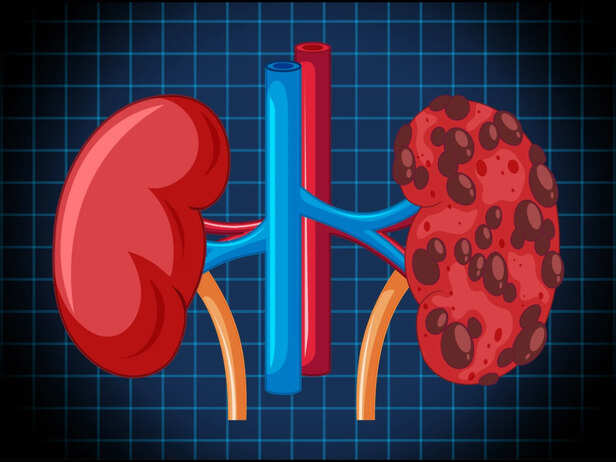
The advice to drink eight glasses of water a day is so familiar it has stopped meaning anything. People follow it by gulping two glasses before bed to make up the count, or draining a large bottle at lunch, then forgetting about water entirely until evening. The kidneys notice the difference between these patterns, even when the total volume is identical.
What the Kidney Is Actually Doing All Day
The kidneys filter the entire volume of blood in the body roughly every thirty minutes. They are not waiting for a signal to start, they run continuously, adjusting what they keep and what they send to the bladder based on how much fluid is available at any given moment. When fluid arrives in a steady trickle, the kidney can maintain a consistent concentration in the blood without dramatic adjustment. When a large volume arrives at once, the kidney has to process a sudden surplus, diluting urine rapidly to move the excess out. Neither event is an emergency, but one asks for far less effort than the other.
What Happens When a Large Volume Arrives at Once
Drink half a litre of water in one go and the blood becomes temporarily more dilute. The body reads this as a surplus and suppresses a hormone called antidiuretic hormone, or ADH, which normally tells the kidney to hold onto water. With ADH suppressed, the kidney shifts into a higher-output mode, producing more urine quickly to restore balance. The result is a trip to the bathroom within thirty to forty-five minutes and, not long after, a return to mild thirst, because the kidney moved the surplus out faster than the body could use it. The fluid passed through rather than being distributed.
What Happens When Water Arrives Steadily
Small, regular amounts of fluid give the kidney less to correct for. ADH stays at a moderate, stable level. The kidney filters at a consistent pace, urine stays a pale yellow rather than swinging between clear and dark, and fluid has time to reach tissues, the lining of joints, the discs between vertebrae, the mucous membranes, before the kidney marks it as excess. Steady intake is not a slower way to hydrate. It is a more efficient one, because less of what you drink gets routed straight out.
What Urine Colour Is Actually Telling You
Urine colour is a rough but useful signal of what the kidney is doing at that moment. Pale yellow, the colour of diluted apple juice, suggests the kidney is filtering at a comfortable pace. Clear urine means the kidney is in surplus mode, moving fluid out quickly; drinking more at that point adds nothing. Dark yellow or amber means the kidney is conserving water because not enough is arriving, concentrating waste products in a smaller volume of fluid. Watching colour across the day gives a better picture of hydration than counting glasses, because it reflects what the kidney is actually doing rather than what went into a bottle.
The Practical Shape of Steady Intake
Steady hydration does not require a schedule or a reminder app. It is closer to keeping a glass or bottle within reach and returning to it often, a few sips when sitting down to work, a small glass with each meal, water alongside tea rather than instead of it. The goal is to avoid the long gaps that push urine dark, and to avoid the large sudden volumes that push it clear. Both are the kidney compensating for an uneven supply. A day where urine stays consistently pale yellow, without dramatic swings in either direction, is a day where the kidney had what it needed when it needed it. That is the whole idea, and it requires no counting.
Unlock insightful tips and inspiration on personal growth, productivity, and well-being. Stay motivated and updated with the latest at My Life XP.