Your Body Changes Every 10 Years in Ways Most People Never Notice
Palak Khanna | Jul 27, 2026, 22:33 IST
Your body is constantly changing, but not in the dramatic "every seven years you're a completely new person" way that many believe. Instead, subtle shifts happen across every decade of life. Your metabolism slows, muscles naturally shrink, skin loses elasticity, sleep patterns evolve, and hormones fluctuate. While these changes are normal, understanding them can help you adapt your lifestyle and age more healthily. Here's what really happens to your body over the years and why paying attention now can make a huge difference later.

Your Body Changes Every 10 Years<br>
Image credit : Chatgpt (AI)
Ever looked at an old photo and wondered, "When did I start looking... different?" It rarely happens overnight. One day your favorite jeans fit differently, climbing stairs feels a little harder, or staying up until 2 AM suddenly seems impossible. It's easy to blame age, but what's actually happening inside your body is far more fascinating. Forget the popular myth that your body completely replaces itself every seven years. Science paints a much more interesting picture. Different parts of your body age at different speeds, and every decade brings its own quiet transformations. Some are barely noticeable at first, while others gradually shape how you feel, move, and even sleep. Here are five ways your body changes every ten years that most people don't realize are happening.
Your
![Your Metabolism Isn't the Same Forever]()
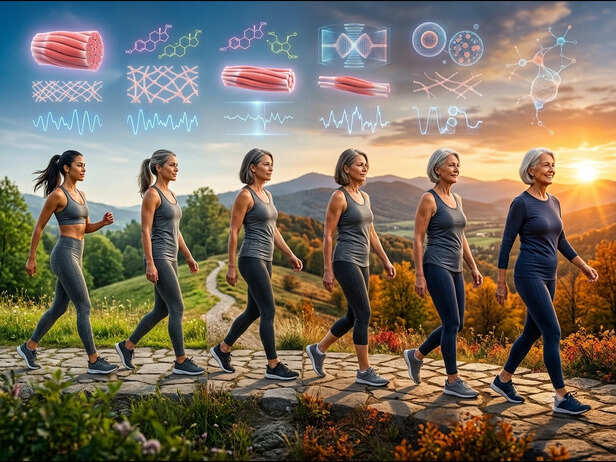
Many people assume metabolism suddenly crashes after turning 30, but that's only partly true. Research suggests that metabolism stays relatively stable through much of adulthood. However, what often changes is muscle mass and physical activity. As you gradually lose muscle, your body burns slightly fewer calories at rest because muscle tissue requires more energy than fat. This doesn't mean weight gain is inevitable. Strength training, regular movement, and eating enough protein can help maintain muscle and keep your metabolism working efficiently for longer. The biggest surprise is that lifestyle often has a bigger impact than age itself.
![A Lifetime of Invisible Changes]()
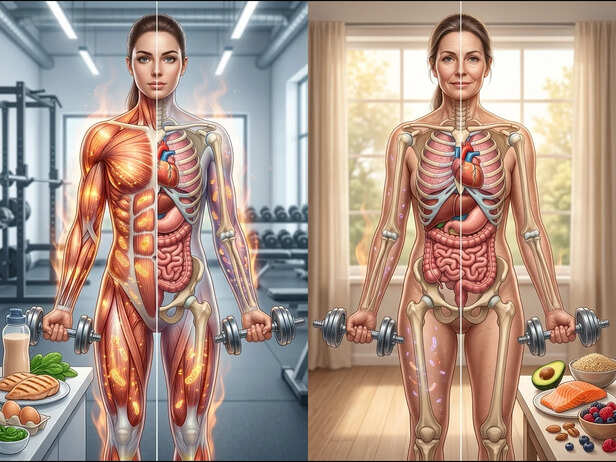
Your muscles naturally become smaller with age, a process called sarcopenia. The decline usually begins slowly in your 30s and becomes more noticeable in your 50s and beyond. You may not immediately see weaker muscles in the mirror, but you might notice everyday activities feeling slightly more tiring. Simple habits like carrying groceries, taking the stairs, or lifting heavier objects become excellent indicators of muscle health. The encouraging news is that muscle responds remarkably well to resistance training at almost any age. Even people who start strength exercises later in life can rebuild strength and improve mobility.
Most people think aging skin only means wrinkles. In reality, the earliest changes happen beneath the surface. Your body gradually produces less collagen and elastin, two proteins responsible for firmness and elasticity. Skin also loses moisture more easily, making it feel drier and thinner over time. You may notice cuts taking longer to heal, makeup sitting differently, or your skin not bouncing back as quickly after being pinched. Daily sunscreen, hydration, a balanced diet, and avoiding smoking remain some of the most effective ways to slow visible skin aging.
![The Hidden Signs of Aging Begin Early]()
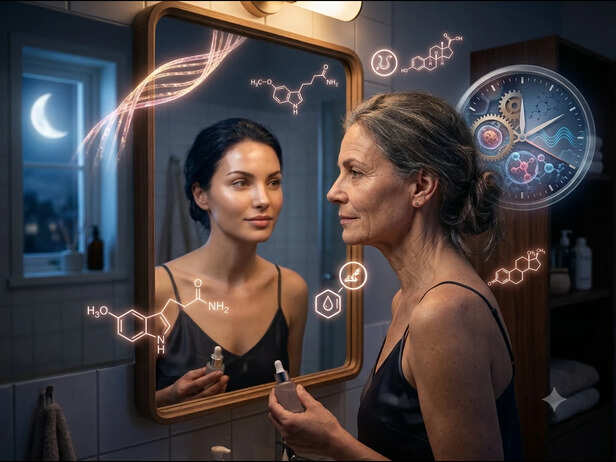
If you find yourself waking up earlier than you used to, your body isn't necessarily being difficult. As people age, the body's internal clock gradually shifts. Deep sleep tends to decrease while lighter sleep becomes more common. Many adults also become more sensitive to noise, stress, and temperature during the night. Hormonal changes can make sleep even more unpredictable, especially during middle age. Maintaining consistent sleep schedules, reducing screen time before bed, and getting natural daylight during the morning can help improve sleep quality even as your body changes.
Hormones influence far more than reproduction. They help regulate mood, energy levels, appetite, bone health, muscle growth, and even memory. Throughout adulthood, hormone levels naturally fluctuate. Women experience significant hormonal changes during perimenopause and menopause, while men may see a gradual decline in testosterone over time. These shifts can affect energy, sleep, body composition, and emotional well-being. Not every symptom should be dismissed as "just getting older." If changes feel sudden, severe, or disruptive, consulting a healthcare professional is always worthwhile. Understanding hormonal changes allows people to work with their bodies instead of constantly fighting them.
Your body doesn't suddenly become old after one birthday. It quietly adapts, decade after decade, through countless small changes that often go unnoticed until they start affecting daily life. The good news is that many of these shifts are influenced by the choices you make every day. Staying active, eating well, prioritizing sleep, protecting your skin, and keeping up with regular health checkups can help your body stay stronger for longer. Aging may be inevitable, but feeling your best for every decade is something you can actively work toward.
Unlock insightful tips and inspiration on personal growth, productivity, and well-being. Stay motivated and updated with the latest atMy Life XP.
Your Metabolism Quietly Becomes More Efficient
Your Metabolism Isn't the Same Forever
Image credit : Gemini (AI)
Many people assume metabolism suddenly crashes after turning 30, but that's only partly true. Research suggests that metabolism stays relatively stable through much of adulthood. However, what often changes is muscle mass and physical activity. As you gradually lose muscle, your body burns slightly fewer calories at rest because muscle tissue requires more energy than fat. This doesn't mean weight gain is inevitable. Strength training, regular movement, and eating enough protein can help maintain muscle and keep your metabolism working efficiently for longer. The biggest surprise is that lifestyle often has a bigger impact than age itself.
Your Muscles Begin Sending Subtle Warning Signs
A Lifetime of Invisible Changes
Image credit : Gemini (AI)
Your muscles naturally become smaller with age, a process called sarcopenia. The decline usually begins slowly in your 30s and becomes more noticeable in your 50s and beyond. You may not immediately see weaker muscles in the mirror, but you might notice everyday activities feeling slightly more tiring. Simple habits like carrying groceries, taking the stairs, or lifting heavier objects become excellent indicators of muscle health. The encouraging news is that muscle responds remarkably well to resistance training at almost any age. Even people who start strength exercises later in life can rebuild strength and improve mobility.
Your Skin Starts Changing Long Before Wrinkles Appear
Your Sleep Clock Slowly Resets Itself
The Hidden Signs of Aging Begin Early
Image credit : Gemini (AI)
If you find yourself waking up earlier than you used to, your body isn't necessarily being difficult. As people age, the body's internal clock gradually shifts. Deep sleep tends to decrease while lighter sleep becomes more common. Many adults also become more sensitive to noise, stress, and temperature during the night. Hormonal changes can make sleep even more unpredictable, especially during middle age. Maintaining consistent sleep schedules, reducing screen time before bed, and getting natural daylight during the morning can help improve sleep quality even as your body changes.
Hormones Keep Rewriting the Rules
Aging Isn't the Problem. Ignoring the Changes Is.
Unlock insightful tips and inspiration on personal growth, productivity, and well-being. Stay motivated and updated with the latest atMy Life XP.