
How the Idea of “Paraya Dhan” Quietly Normalized Dowry Thinking in India.
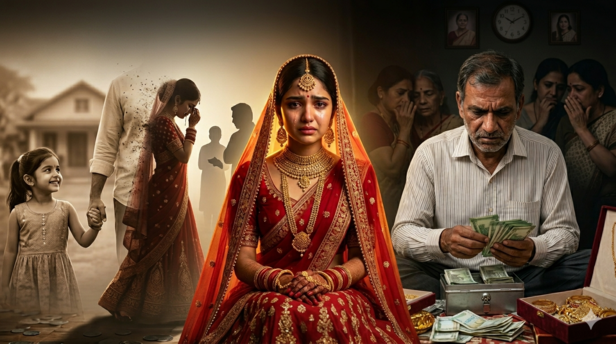
In many Indian homes, a daughter is lovingly called “Paraya Dhan,” meaning someone else’s wealth. The phrase is often spoken with affection, suggesting care, responsibility, and eventual transition into another family. But beneath this emotional framing lies a powerful social narrative that has influenced generations. This idea did not just stay in language. It slowly shaped behavior, expectations, and even financial decisions around marriage. Over time, it helped normalize the belief that daughters require heavy “giving away,” which in many cases evolved into the system of dowry. Understanding this connection is important, not to dismiss tradition, but to see how cultural language quietly builds long-term social systems.
The Emotional Packaging of “Paraya Dhan”
The phrase “Paraya Dhan” was never originally meant to harm. In many households, it was used to express the bittersweet feeling of raising a daughter who will one day leave home. It carried emotional weight. Parents were encouraged to treat daughters with care, knowing their time at home was temporary. However, this emotional framing also planted a subconscious idea: investing in a daughter is temporary because she will belong elsewhere. Over time, emotional language began shaping economic thinking.
When Affection Turns Into Financial Pressure
What begins as affection often transforms into expectation. If a daughter is seen as someone who will “leave,” then families begin to think in terms of “sending her off properly.” This is where weddings become financially loaded events. Families start saving specifically for marriage expenses, not education or independence. The emotional idea of giving a daughter away gradually turned into a financial obligation, where “good marriage preparation” meant heavy spending, gifts, and arrangements that go beyond basic celebration.
The Quiet Link to Dowry Culture
Dowry did not arise only from one idea, but “Paraya Dhan” contributed to its acceptance. If a daughter is seen as leaving permanently, then transferring wealth at marriage starts to feel like a natural step. In many communities, dowry is not even spoken of as an exchange. It is framed as “helping the new household” or “supporting the daughter’s future.” This soft language hides the transactional reality. Over generations, this normalized the belief that marriage is not just a union of people, but also of financial exchange.
The Gender Imbalance Hidden in Tradition
The idea of “Paraya Dhan” is not applied equally. Sons are often seen as continuers of the family line, inheritors of property, and permanent members of the household. Daughters, in contrast, are seen as temporary residents. This imbalance affects how families invest in education, health, and independence for girls. Even today, in subtle ways, families may prioritize saving for a daughter’s marriage over her long-term financial empowerment. The result is a silent inequality that begins at birth and strengthens through tradition.
Modern India and the Slow Reversal of Thinking
Urban India is gradually questioning old frameworks. Many families now reject dowry openly and focus on equal inheritance and independent financial planning for daughters. Education and economic independence have changed the way women are viewed in many households. The phrase “Paraya Dhan” is increasingly seen as outdated in progressive spaces. However, cultural change is uneven. In many regions, the emotional idea still exists even when dowry is officially denied. This shows how deeply language can shape belief systems even after laws change.
From 'Paraya' to Equal Belonging
The idea of “Paraya Dhan” may have started as a poetic expression of family emotion, but over time it became a silent contributor to systemic thinking around dowry and gender roles. It shaped how families perceive daughters, marriage, and financial responsibility. Re-evaluating such cultural phrases does not mean rejecting tradition. It means understanding their impact and choosing language that reflects equality, not obligation.
Unlock insightful tips and inspiration on personal growth, productivity, and well-being. Stay motivated and updated with the latest at My Life XP.