
Is Rainy-Day Screen Time Making Your Child More Irritable? What Parents Should Know
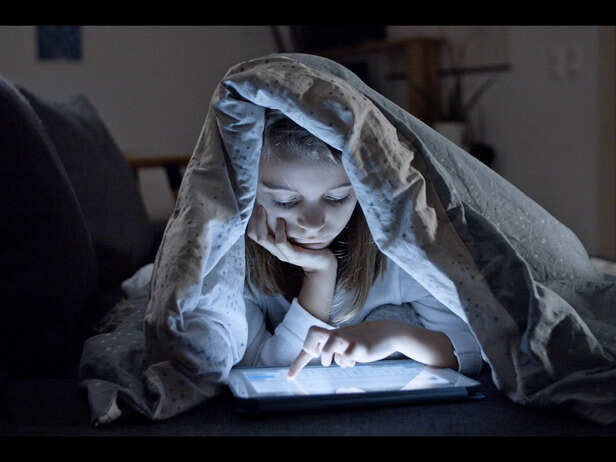
One rainy afternoon, you hand your child a tablet just to buy yourself 30 peaceful minutes. Totally understandable. Then 30 minutes becomes two hours, bedtime gets pushed back, dinner becomes a negotiation and suddenly your usually cheerful child is snapping over the smallest things. Sound familiar? Rain itself is not necessarily making children cranky. The bigger issue can be what changes around it. More indoor time often means more recreational screen time, less movement, fewer social interactions and disrupted sleep routines. Research links higher recreational screen use with shorter sleep and some unfavourable measures of behavioural conduct, although screen time alone does not explain every mood change.
Rain Changes More Than Just Outdoor Plans
For children, a rainy day can completely rearrange the rhythm of the day. School may be disrupted, outdoor games may be cancelled and that regular evening walk or playground session may disappear. In its place comes television, gaming, YouTube or endless scrolling. The problem is not that screens are automatically "bad". Digital media can offer entertainment, learning and social connection. The concern arises when screen time starts replacing sleep, physical activity, family interaction and other activities children need. The American Academy of Pediatrics recommends creating a media plan based on a child's age and individual needs rather than relying on a single rule for every child.
Why Your Child May Seem More Irritable
Ever noticed how difficult it is to hear "time to switch it off" after an exciting cartoon or game? Children can become deeply absorbed in stimulating content. Suddenly stopping can feel like losing something enjoyable, especially when they have already spent much of the day indoors. There is another factor too: less movement. Physical activity helps children burn energy, regulate routines and support overall mental wellbeing. WHO recommends that children and adolescents aged 5 to 17 get an average of at least 60 minutes of moderate-to-vigorous physical activity each day. So if rain means sitting for hours, the missing movement may matter as much as the extra screen time.
The Sleep Connection Parents Often Miss
This is where the rainy-day screen habit can become a cycle. A child spends more time watching videos or gaming during the afternoon, stays stimulated later into the evening and eventually goes to bed late. The next morning, they are tired and less patient. Screen use around bedtime can interfere with sleep, and the AAP recommends avoiding screens for about an hour before bed and keeping devices out of children's bedrooms. And when sleep suffers, mood, concentration and behaviour can suffer along with it.
Don't Make the Tablet the Villain
The answer does not have to be "zero screens". In fact, suddenly banning devices after allowing unlimited access can create an even bigger argument. Instead, parents can make rainy-day routines more predictable. Try dividing the day into chunks. Screen time can be followed by drawing, board games, indoor dancing, reading, helping with a simple household task or building something with blocks. For younger children, WHO recommends prioritising physical activity, good-quality sleep and limiting sedentary screen time. For children aged 3 to 4, for example, WHO recommends no more than one hour of sedentary screen time per day, with less being better. The exact approach should still depend on the child's age and circumstances.
Make Rainy Days Feel Like Something Special
Sometimes the easiest way to reduce screen dependence is to make the alternative genuinely exciting. Have a "rainy-day box" with puzzles, colouring supplies, craft materials or board games. Let children build a blanket fort, make a pretend restaurant, help prepare a snack or create their own indoor treasure hunt. Parents can also join in for a while. A child who has been glued to a screen may not immediately jump up and entertain themselves for an hour. A little involvement can help them transition. Most importantly, watch the pattern rather than obsessing over one rainy afternoon. If your child watches an extra episode because it is pouring outside, that is very different from a routine where screens consistently replace sleep, movement and connection.
A Little Balance Goes a Long Way
Rainy days do not have to become screen-free boot camps. Screens can absolutely have a place in a child's day. The goal is to make sure they do not quietly take over the whole day. If your child seems unusually irritable, look beyond the screen itself. Ask: Did they sleep enough? Did they move around? Did they eat properly? Did they get some one-on-one attention? Sometimes, the fix is not another restriction. It is simply bringing the rest of the routine back into balance.
Unlock insightful tips and inspiration on personal growth, productivity, and well-being. Stay motivated and updated with the latest atMy Life XP.