
The Everyday Skills Schools Rarely Teach But Parents End Up Teaching
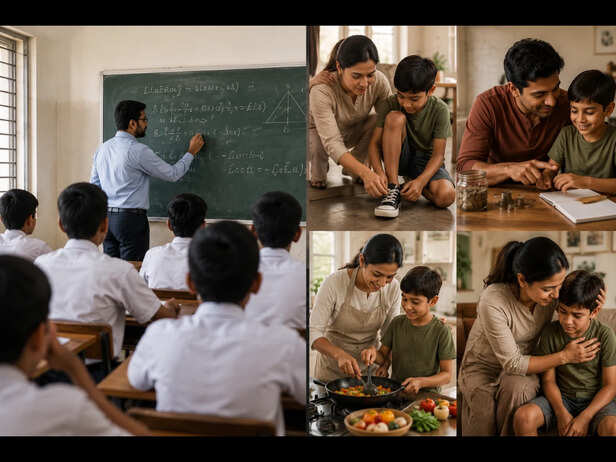
A report card may show how well a child performs in school, but it cannot measure how prepared they are for real life. While classrooms focus on subjects like mathematics, science and languages, daily living requires a different set of abilities. Knowing how to communicate with respect, solve problems calmly, manage money wisely or bounce back after failure often comes from watching parents. The habits children learn around the dining table, during family conversations or while helping with household chores stay with them for years. These lessons quietly build independence and resilience, making them just as important as academic success.
Managing Money Before the First Paycheck
Many students graduate without understanding how to budget, save or spend responsibly. Parents often become the first financial mentors by explaining the value of money through pocket money, grocery shopping or saving for something special. Simple lessons like comparing prices, avoiding unnecessary purchases and planning expenses teach children that financial discipline is built through small everyday decisions. These habits can prevent future debt and encourage smarter financial choices.
Emotional Intelligence Matters as Much as IQ
Schools may teach students how to solve equations, but handling disappointment, rejection or conflict usually begins at home. Parents guide children through difficult emotions by encouraging honest conversations and helping them understand their feelings. Children who learn empathy, patience and emotional control often develop stronger friendships, healthier relationships and greater confidence in stressful situations. Emotional intelligence also helps them become better listeners and problem solvers throughout life.
Everyday Responsibility Starts With Small Chores
Making the bed, folding clothes, cleaning up after meals or helping prepare dinner may seem like ordinary tasks, but they teach accountability and teamwork. Parents know that responsibility grows through consistent habits rather than lectures. Children who contribute to household routines often understand that every member of a family has a role to play. These experiences also make the transition to independent living much smoother later in life.
Respectful Communication Opens More Doors Than Marks
Academic excellence is valuable, but success often depends on how people communicate. Parents teach children how to greet others politely, express gratitude, apologise sincerely and listen without interrupting. These social skills help children build trust, handle disagreements respectfully and leave positive impressions wherever they go. Whether during a job interview or a family gathering, good communication remains one of life's greatest strengths.
Learning That Failure Is Not the End
One of the biggest lessons parents pass on is that mistakes are part of growth. A poor grade, a lost competition or an unsuccessful attempt does not define a child's future. By encouraging children to try again instead of giving up, parents teach resilience. This mindset helps young people become more adaptable, creative and willing to take healthy risks. In a world that changes quickly, resilience often becomes a greater advantage than perfection.
Life Lessons That Last Long After Graduation
Education builds knowledge, but everyday experiences build character. While schools prepare children for exams, parents quietly prepare them for life through patience, guidance and countless small lessons that often go unnoticed. From managing emotions to making responsible decisions, these everyday skills become lifelong strengths. In the end, the greatest education often happens outside the classroom, where simple moments turn into valuable lessons that shape capable, compassionate and confident adults.
Unlock insightful tips and inspiration on personal growth, productivity, and well-being. Stay motivated and updated with the latest at My Life XP.