
The “Good Child” Trap: How Praising Kids for Being Easy Can Create Anxious Adults
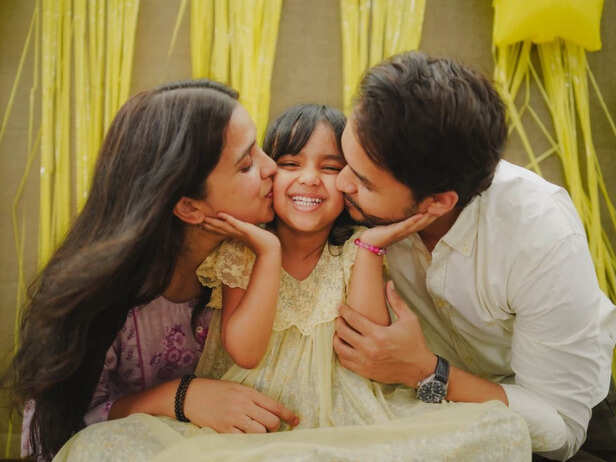
You know that one child everyone calls “so easy”? They eat whatever is served, rarely argue, finish their homework without a fight and apparently never make life difficult for their parents. Everyone smiles and says, “What a good child.” Sounds lovely, right? But sometimes, the child who causes the least trouble is not necessarily the child who needs the least support. They may simply have become very good at hiding what they need. That does not mean every quiet or well-behaved child is secretly anxious. But when children repeatedly receive approval specifically for being easy, they can start connecting their worth with how comfortable they make everyone else feel. And that is where the “good child” trap can begin.
When “You’re So Good” Becomes an Identity
There is nothing wrong with appreciating good behaviour. The problem begins when a child repeatedly hears praise such as “You never trouble me,” “You are so mature” or “I wish every child was like you.” The child may gradually absorb a message that adults rarely say out loud: being easy is what makes me lovable. Psychologists have long studied how children learn to regulate or suppress emotions in response to how adults react to those emotions. Research has linked childhood emotional invalidation with greater emotional inhibition and psychological distress later in life. So the child who stops asking for help may not have fewer needs. They may simply have learned not to show them.
The Child Learns to Avoid Disappointing People
Imagine a child who is upset but notices that everyone is happier when they say, “It’s okay.” Eventually, “It’s okay” becomes automatic. They apologise quickly. They avoid arguments. They agree even when they disagree. They become the friend who always adjusts and the adult who says “yes” before thinking about what they actually want. This is where people-pleasing can enter the picture. Recent discussions around childhood people-pleasing have highlighted how children can learn to associate being agreeable, helpful and low-maintenance with maintaining closeness and approval.
Anxiety Can Hide Behind Perfect Behaviour
An anxious child does not always look anxious. Sometimes anxiety looks like over-preparing, constantly checking whether everyone is happy, being terrified of making mistakes or feeling responsible for other people's emotions. A child who has learned that conflict is dangerous may become exceptionally skilled at preventing it. The problem is that adulthood does not come with an instruction manual for keeping everyone happy. Friends disagree. Partners get annoyed. Teachers criticise. Bosses say no. If a person has learned that disappointing someone means they have done something wrong, ordinary conflict can suddenly feel enormous. Research also suggests that early parental experiences can influence later anxiety and depression through factors such as perceived control and personal mastery.
The Difference Between Good Behaviour and Emotional Suppression
This does not mean parents should stop teaching manners, responsibility or respect. Children need boundaries. They need to learn that screaming at someone is not acceptable and that other people's feelings matter. But there is a crucial difference between teaching a child to behave respectfully and teaching them that uncomfortable feelings are unacceptable. Instead of only saying, “Thank you for not making a fuss,” parents can say, “I know you were disappointed, but you handled it respectfully.” Instead of “You are such a good girl,” try “I noticed how much effort you put into that.” This shifts praise away from a child's identity and towards specific actions, effort and choices. Research on praise has similarly raised concerns about person-focused praise and its potential to create performance pressure.
Let Children Be Difficult Sometimes
Perhaps the most important lesson is also the simplest: children need to know they can be difficult without becoming unlovable. They should be allowed to disagree respectfully. They should be able to say no. They should be able to cry, complain, ask for attention and admit when they need help. A child who knows, “My parents may not always agree with me, but they will still love me,” learns something powerful. They learn that relationships can survive discomfort. That lesson can become invaluable later, because confident adults are not people who never upset anyone. They are people who can tolerate disagreement without immediately abandoning themselves.
Raise a Whole Child, Not an Easy One
The goal of parenting is not to produce a child who is convenient for everyone around them. It is to raise someone who can understand their feelings, respect others, express their needs and still feel secure when they are not behaving perfectly. So praise the kindness. Praise the effort. Praise the honesty. But occasionally, when your child is messy, emotional, stubborn or difficult, remind them of something even more important:“You don't have to be easy for me to love you.” That may be one of the safest lessons a child can carry into adulthood.
Unlock insightful tips and inspiration on personal growth, productivity, and well-being. Stay motivated and updated with the latest at My Life XP.