The Parenting Mistake That Affects Confidence for Life
Payal Tandon | Fri, 24 Apr 2026
Confidence is one of the most important qualities a child can develop, yet it can be affected by small parenting habits that often go unnoticed. This article explores a common parenting mistake that impacts confidence for life, how it shapes a child’s self belief, and what parents can do to create a more supportive and empowering environment.

Fighting in front of kids (Image Credit:Freepik)
Every parent wants their child to grow up confident and strong. They want their child to believe in themselves, take on challenges, and face the world with courage.
But sometimes, without realizing it, certain parenting habits can slowly weaken a child’s confidence. These habits are not always obvious. They often come from good intentions.
Parents may try to correct, guide, or protect their child. But if done in the wrong way or too often, it can send a different message.
A child may begin to feel that they are not good enough. They may start doubting their abilities or fear making mistakes.
Confidence is not built overnight. It develops through everyday experiences, especially the way a child is treated and guided.
Understanding this can help parents create an environment where children feel supported, capable, and confident.
One of the most common mistakes that affects confidence is constant criticism.
Correcting a child is important. It helps them learn and grow. But when correction turns into frequent criticism, it can have a negative impact.
If a child hears more negative feedback than positive encouragement, they may start focusing only on their mistakes.
They may feel like they are never good enough. This can reduce their willingness to try new things.
Over time, they may avoid challenges because they fear failure or judgment.
Balancing correction with encouragement is important. Children need to know what to improve, but they also need to know what they are doing well.
![not understanding kids (Image Credit:Freepik)]()
Another mistake that affects confidence is comparing children with others.
Comparisons may seem harmless, but they can create insecurity. When a child is compared to someone else, they may feel less capable.
They may start measuring their worth based on others. This can affect their self esteem and motivation.
Instead of focusing on their own growth, they may feel pressure to match someone else’s achievements.
Every child is different. Recognizing their unique strengths helps build confidence.
Encouragement should focus on progress, not comparison.
Many parents try to protect their children from failure or difficulty. While this comes from care, too much protection can limit growth.
Children need opportunities to try, fail, and learn. These experiences help build confidence.
When parents step in too often, children may not get the chance to solve problems on their own.
They may become dependent or unsure of their abilities.
Allowing children to face small challenges helps them develop independence and self belief.
![Avoiding Kids (Image Credit:Freepik)]()
Children do not need to be perfect to feel confident. They need to feel supported.
When parents show understanding and encouragement, children feel safe to express themselves.
They learn that mistakes are part of learning, not something to fear.
This support helps them build resilience. They become more willing to take risks and try new things.
Confidence grows when children feel accepted, not judged.
The way parents speak to their children becomes the child’s inner voice over time.
If a child hears positive and encouraging words, they begin to believe in themselves.
If they hear negative or critical words often, they may develop self doubt.
This inner voice stays with them as they grow. It influences how they see themselves and their abilities.
Choosing words carefully can have a lasting impact on a child’s confidence.
![Making them feel alone (Image Credit:Freepik)]()
Confidence is built through small daily moments.
Listening to your child, appreciating their efforts, and encouraging their interests can make a big difference.
Giving them space to make decisions helps them feel capable.
Supporting them during difficult moments helps them feel secure.
These actions may seem simple, but they create a strong foundation for confidence.
A positive environment allows children to grow without fear.
This does not mean avoiding discipline. It means balancing guidance with support.
Children should understand boundaries, but they should also feel valued.
A supportive environment helps them develop emotional strength and self belief.
It encourages them to explore, learn, and grow.
Confidence is one of the most valuable gifts parents can give their children. But it can be affected by small habits like constant criticism, comparison, and over protection.
Understanding these mistakes helps parents make better choices.
By offering encouragement, emotional support, and opportunities for growth, parents can help children develop strong confidence.
Parenting is not about perfection. It is about creating an environment where children feel valued, capable, and supported.
When a child believes in themselves, they are better prepared to face life with strength and confidence.
Unlock insightful tips and inspiration on personal growth, productivity, and well-being. Stay motivated and updated with the latest at My Life XP.
But sometimes, without realizing it, certain parenting habits can slowly weaken a child’s confidence. These habits are not always obvious. They often come from good intentions.
Parents may try to correct, guide, or protect their child. But if done in the wrong way or too often, it can send a different message.
A child may begin to feel that they are not good enough. They may start doubting their abilities or fear making mistakes.
Confidence is not built overnight. It develops through everyday experiences, especially the way a child is treated and guided.
Understanding this can help parents create an environment where children feel supported, capable, and confident.
The Mistake of Constant Criticism
One of the most common mistakes that affects confidence is constant criticism.
Correcting a child is important. It helps them learn and grow. But when correction turns into frequent criticism, it can have a negative impact.
If a child hears more negative feedback than positive encouragement, they may start focusing only on their mistakes.
They may feel like they are never good enough. This can reduce their willingness to try new things.
Over time, they may avoid challenges because they fear failure or judgment.
Balancing correction with encouragement is important. Children need to know what to improve, but they also need to know what they are doing well.
The Impact of Comparison on Self Belief

not understanding kids (Image Credit:Freepik)
Another mistake that affects confidence is comparing children with others.
Comparisons may seem harmless, but they can create insecurity. When a child is compared to someone else, they may feel less capable.
They may start measuring their worth based on others. This can affect their self esteem and motivation.
Instead of focusing on their own growth, they may feel pressure to match someone else’s achievements.
Every child is different. Recognizing their unique strengths helps build confidence.
Encouragement should focus on progress, not comparison.
Over Protection and Its Hidden Effects
Many parents try to protect their children from failure or difficulty. While this comes from care, too much protection can limit growth.
Children need opportunities to try, fail, and learn. These experiences help build confidence.
When parents step in too often, children may not get the chance to solve problems on their own.
They may become dependent or unsure of their abilities.
Allowing children to face small challenges helps them develop independence and self belief.
Why Emotional Support Matters More Than Perfection

Avoiding Kids (Image Credit:Freepik)
Children do not need to be perfect to feel confident. They need to feel supported.
When parents show understanding and encouragement, children feel safe to express themselves.
They learn that mistakes are part of learning, not something to fear.
This support helps them build resilience. They become more willing to take risks and try new things.
Confidence grows when children feel accepted, not judged.
How Words Shape a Child’s Inner Voice
The way parents speak to their children becomes the child’s inner voice over time.
If a child hears positive and encouraging words, they begin to believe in themselves.
If they hear negative or critical words often, they may develop self doubt.
This inner voice stays with them as they grow. It influences how they see themselves and their abilities.
Choosing words carefully can have a lasting impact on a child’s confidence.
Building Confidence Through Daily Actions
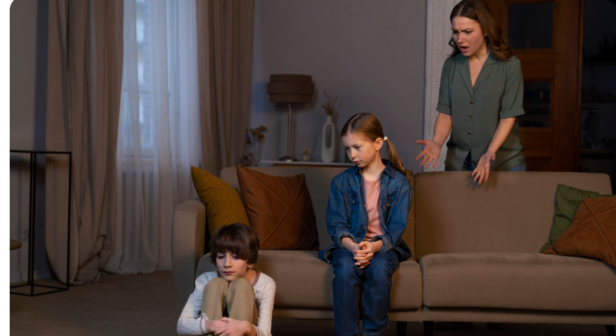
Making them feel alone (Image Credit:Freepik)
Confidence is built through small daily moments.
Listening to your child, appreciating their efforts, and encouraging their interests can make a big difference.
Giving them space to make decisions helps them feel capable.
Supporting them during difficult moments helps them feel secure.
These actions may seem simple, but they create a strong foundation for confidence.
Creating a Positive Environment for Growth
A positive environment allows children to grow without fear.
This does not mean avoiding discipline. It means balancing guidance with support.
Children should understand boundaries, but they should also feel valued.
A supportive environment helps them develop emotional strength and self belief.
It encourages them to explore, learn, and grow.
Confidence is one of the most valuable gifts parents can give their children. But it can be affected by small habits like constant criticism, comparison, and over protection.
Understanding these mistakes helps parents make better choices.
By offering encouragement, emotional support, and opportunities for growth, parents can help children develop strong confidence.
Parenting is not about perfection. It is about creating an environment where children feel valued, capable, and supported.
When a child believes in themselves, they are better prepared to face life with strength and confidence.
Unlock insightful tips and inspiration on personal growth, productivity, and well-being. Stay motivated and updated with the latest at My Life XP.