Ways to Boost Your Child's Confidence
Rangnai Tara | Jul 24, 2026, 20:00 IST
Confidence is one of the greatest gifts parents can give their children. It shapes how they learn, build relationships, handle challenges, and believe in themselves. This article explores practical and easy-to-follow ways to help children develop confidence through encouragement, independence, healthy communication, and everyday experiences. It also explains common parenting habits that may unknowingly affect a child's self-esteem and offers simple solutions to create a positive and supportive environment.

Ways to Boost Your Child's Confidence
Image credit : Pexels
Every child deserves to believe in themselves. Confidence helps children face new situations, recover from mistakes, and grow into capable adults. While some children naturally appear more outgoing, confidence is not something a child is simply born with. It develops through daily experiences, positive relationships, and the support they receive from the people around them.
Parents play the biggest role in shaping a child's self-belief. Small actions like listening carefully, celebrating effort, and allowing children to solve problems can make a lasting difference. Building confidence does not mean telling children they are perfect. It means helping them understand that they are capable of learning, improving, and overcoming challenges.
Below are some practical ways parents can help their children become more confident every day.
1. Praise Effort Instead of Results
Children often hear praise when they score high marks or win a competition. While achievements should be celebrated, praising effort is even more important.
Instead of saying, "You are so smart," try saying, "I am proud of how hard you worked."
This teaches children that success comes from persistence rather than natural talent. They become more willing to try difficult tasks because they understand that effort matters.
Children who focus on learning instead of being perfect are less afraid of making mistakes.
![Encourage Independence]()
Doing everything for your child may seem caring, but it can stop them from developing confidence.
Allow children to complete age-appropriate tasks on their own. They can pack their school bag, organize their room, choose their clothes, or help prepare simple meals.
Every small responsibility helps them feel capable and trusted.
When children solve problems independently, they begin to believe in their own abilities.
3. Let Them Make Mistakes
Mistakes are part of learning. Children who fear failure often avoid trying new things.
When your child makes a mistake, avoid criticism or punishment that makes them feel ashamed. Instead, talk about what they learned and how they can improve next time.
This teaches resilience and helps children understand that failure is temporary.
Confident children know that one mistake does not define who they are.
4. Listen Without Judging
Children feel valued when they know their thoughts and feelings matter.
When your child shares a problem, listen carefully before offering advice. Avoid interrupting or immediately telling them what they should have done.
Sometimes children simply need someone who understands them.
Feeling heard builds trust and strengthens their confidence in expressing themselves.
5. Avoid Comparing Them With Others
One of the quickest ways to damage confidence is through comparison.
Statements like, "Look how well your cousin studies," or "Why can't you be like your friend?" can make children feel they are not good enough.
Every child has different strengths, interests, and learning styles.
Instead of comparing, focus on your child's personal progress and encourage them to improve at their own pace.
6. Give Them Opportunities to Try New Things
![Give Them Opportunities to Try New Things]()
New experiences help children discover hidden talents and interests.
Encourage them to participate in sports, music, dance, art, public speaking, or community activities.
They may not excel immediately, but each experience teaches valuable life skills and increases self-confidence.
Trying something new also helps children become more comfortable with change.
Children learn more from what parents do than from what they say.
If you constantly criticize yourself or avoid challenges, your child may develop similar habits.
Show confidence by speaking positively about yourself, admitting mistakes, and trying new experiences without fear.
Your attitude teaches children how to handle life's ups and downs.
8. Teach Positive Self-Talk
Children often repeat the messages they hear the most.
Help them replace negative thoughts like "I can't do this" with positive ones such as "I will keep trying" or "I can improve with practice."
Simple changes in the way children speak to themselves can greatly influence how they approach challenges.
Positive self-talk creates a healthier mindset and reduces self-doubt.
![Spend Quality Time Together]()
Children feel more secure when they receive their parents' attention.
Quality time does not have to be expensive or complicated. Reading together, cooking, playing games, taking walks, or simply talking about the day strengthens your relationship.
When children know they are loved and accepted, their confidence naturally grows.
Even a few minutes of undivided attention each day can make a big difference.
Instead of immediately fixing every problem, guide your child to think of possible solutions.
Ask questions like:
Confidence grows through small successes.
Celebrate everyday achievements such as finishing homework, learning a new skill, helping someone, or showing kindness.
These moments remind children that progress deserves recognition.
Simple encouragement often motivates children to keep improving.
Not every child enjoys the same activities.
Some children love sports, while others enjoy reading, painting, music, science, or building things.
Support your child's interests without forcing them into activities they dislike.
When children feel accepted for who they are, they develop stronger self-confidence.
13. Set Realistic Expectations
Parents naturally want the best for their children, but unrealistic expectations can create pressure.
Avoid expecting perfection in every subject or activity.
Set achievable goals that challenge your child without overwhelming them.
Children gain confidence when they experience success through steady progress.
Confidence is not about feeling better than others. It also involves respecting and caring for people.
Encourage children to help classmates, include others in games, and show kindness.
Positive relationships help children feel connected and valued.
Children who build healthy friendships often develop stronger confidence.
15. Create a Safe and Loving Home Environment
Children thrive in environments where they feel safe, respected, and accepted.
Avoid harsh criticism, constant yelling, or making children feel embarrassed for their mistakes.
Instead, offer guidance with patience and understanding.
A home filled with love, encouragement, and respect becomes the foundation for lifelong confidence.
Some children may struggle silently with self-esteem.
Signs can include:
Building confidence is a gradual process. There will be days when children feel brave and days when they doubt themselves.
Parents should remember that confidence grows through consistent encouragement, patience, and everyday experiences rather than one big achievement.
Children who know they are loved regardless of success or failure become more willing to explore, learn, and face challenges. Over time, these small moments of support help them develop the confidence needed to handle school, friendships, future careers, and life's many changes.
The goal is not to raise children who never fail. It is to raise children who believe they can learn, recover, and keep moving forward no matter what obstacles they face. That belief becomes one of the strongest foundations for a happy, healthy, and successful life.
Unlock insightful tips and inspiration on personal growth, productivity, and well-being. Stay motivated and updated with the latest at My Life XP.
Parents play the biggest role in shaping a child's self-belief. Small actions like listening carefully, celebrating effort, and allowing children to solve problems can make a lasting difference. Building confidence does not mean telling children they are perfect. It means helping them understand that they are capable of learning, improving, and overcoming challenges.
Below are some practical ways parents can help their children become more confident every day.
1. Praise Effort Instead of Results
Children often hear praise when they score high marks or win a competition. While achievements should be celebrated, praising effort is even more important.
Instead of saying, "You are so smart," try saying, "I am proud of how hard you worked."
This teaches children that success comes from persistence rather than natural talent. They become more willing to try difficult tasks because they understand that effort matters.
Children who focus on learning instead of being perfect are less afraid of making mistakes.
2. Encourage Independence
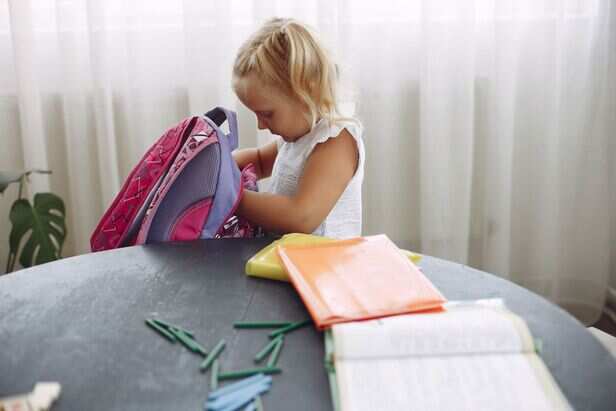
Encourage Independence
Image credit : Pexels
Doing everything for your child may seem caring, but it can stop them from developing confidence.
Allow children to complete age-appropriate tasks on their own. They can pack their school bag, organize their room, choose their clothes, or help prepare simple meals.
Every small responsibility helps them feel capable and trusted.
When children solve problems independently, they begin to believe in their own abilities.
3. Let Them Make Mistakes
Mistakes are part of learning. Children who fear failure often avoid trying new things.
When your child makes a mistake, avoid criticism or punishment that makes them feel ashamed. Instead, talk about what they learned and how they can improve next time.
This teaches resilience and helps children understand that failure is temporary.
Confident children know that one mistake does not define who they are.
4. Listen Without Judging
Children feel valued when they know their thoughts and feelings matter.
When your child shares a problem, listen carefully before offering advice. Avoid interrupting or immediately telling them what they should have done.
Sometimes children simply need someone who understands them.
Feeling heard builds trust and strengthens their confidence in expressing themselves.
5. Avoid Comparing Them With Others
One of the quickest ways to damage confidence is through comparison.
Statements like, "Look how well your cousin studies," or "Why can't you be like your friend?" can make children feel they are not good enough.
Every child has different strengths, interests, and learning styles.
Instead of comparing, focus on your child's personal progress and encourage them to improve at their own pace.
6. Give Them Opportunities to Try New Things
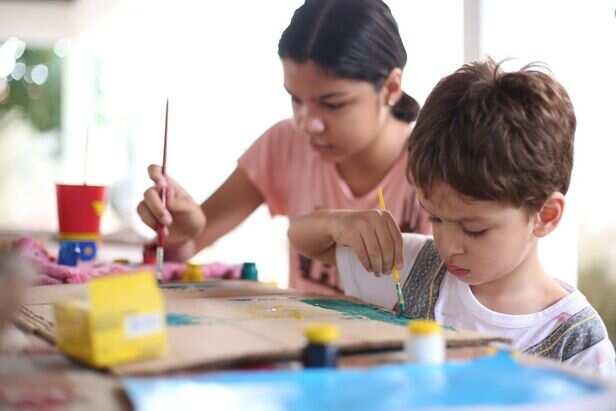
Give Them Opportunities to Try New Things
Image credit : Pexels
New experiences help children discover hidden talents and interests.
Encourage them to participate in sports, music, dance, art, public speaking, or community activities.
They may not excel immediately, but each experience teaches valuable life skills and increases self-confidence.
Trying something new also helps children become more comfortable with change.
7. Be a Positive Role Model
Children learn more from what parents do than from what they say.
If you constantly criticize yourself or avoid challenges, your child may develop similar habits.
Show confidence by speaking positively about yourself, admitting mistakes, and trying new experiences without fear.
Your attitude teaches children how to handle life's ups and downs.
8. Teach Positive Self-Talk
Children often repeat the messages they hear the most.
Help them replace negative thoughts like "I can't do this" with positive ones such as "I will keep trying" or "I can improve with practice."
Simple changes in the way children speak to themselves can greatly influence how they approach challenges.
Positive self-talk creates a healthier mindset and reduces self-doubt.
9. Spend Quality Time Together

Spend Quality Time Together
Image credit : Pexels
Children feel more secure when they receive their parents' attention.
Quality time does not have to be expensive or complicated. Reading together, cooking, playing games, taking walks, or simply talking about the day strengthens your relationship.
When children know they are loved and accepted, their confidence naturally grows.
Even a few minutes of undivided attention each day can make a big difference.
10. Encourage Problem-Solving
Instead of immediately fixing every problem, guide your child to think of possible solutions.
Ask questions like:
- "What do you think you could do?"
- "What are your options?"
- "Which solution seems best?"
11. Celebrate Small Victories
Confidence grows through small successes.
Celebrate everyday achievements such as finishing homework, learning a new skill, helping someone, or showing kindness.
These moments remind children that progress deserves recognition.
Simple encouragement often motivates children to keep improving.
12. Support Their Interests
Not every child enjoys the same activities.
Some children love sports, while others enjoy reading, painting, music, science, or building things.
Support your child's interests without forcing them into activities they dislike.
When children feel accepted for who they are, they develop stronger self-confidence.
13. Set Realistic Expectations
Parents naturally want the best for their children, but unrealistic expectations can create pressure.
Avoid expecting perfection in every subject or activity.
Set achievable goals that challenge your child without overwhelming them.
Children gain confidence when they experience success through steady progress.
14. Teach Kindness and Empathy
Confidence is not about feeling better than others. It also involves respecting and caring for people.
Encourage children to help classmates, include others in games, and show kindness.
Positive relationships help children feel connected and valued.
Children who build healthy friendships often develop stronger confidence.
15. Create a Safe and Loving Home Environment
Children thrive in environments where they feel safe, respected, and accepted.
Avoid harsh criticism, constant yelling, or making children feel embarrassed for their mistakes.
Instead, offer guidance with patience and understanding.
A home filled with love, encouragement, and respect becomes the foundation for lifelong confidence.
Watch for Signs of Low Confidence
Some children may struggle silently with self-esteem.
Signs can include:
- Avoiding new activities
- Giving up easily
- Frequently saying they are not good enough
- Fear of making mistakes
- Comparing themselves with others
- Becoming overly dependent on adults
Confidence Takes Time to Grow
Building confidence is a gradual process. There will be days when children feel brave and days when they doubt themselves.
Parents should remember that confidence grows through consistent encouragement, patience, and everyday experiences rather than one big achievement.
Children who know they are loved regardless of success or failure become more willing to explore, learn, and face challenges. Over time, these small moments of support help them develop the confidence needed to handle school, friendships, future careers, and life's many changes.
The goal is not to raise children who never fail. It is to raise children who believe they can learn, recover, and keep moving forward no matter what obstacles they face. That belief becomes one of the strongest foundations for a happy, healthy, and successful life.
Unlock insightful tips and inspiration on personal growth, productivity, and well-being. Stay motivated and updated with the latest at My Life XP.