
What Happens When Children Grow Up Without Being Heard
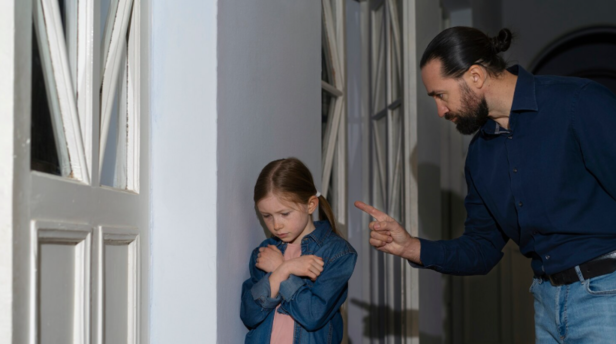
Every child wants to feel heard. It is a simple need, but it has a powerful impact.
When a child speaks, they are not just sharing words. They are sharing their thoughts, feelings, and experiences. When someone listens, it tells the child that their voice matters.
But what happens when this does not happen?
Many children grow up in environments where their thoughts are ignored, interrupted, or dismissed. Sometimes it happens unintentionally. Parents may be busy, stressed, or focused on discipline. Over time, this can create a pattern where the child feels unheard.
At first, the child may try harder to express themselves. But if they continue to feel ignored, they may slowly stop sharing.
This silence does not mean they have nothing to say. It means they no longer feel safe or valued enough to speak.
Understanding this can help us see how deeply being heard affects a child’s growth and future.
How Not Being Heard Affects Confidence
Confidence is built through small moments of validation.
When a child is listened to, they feel important. Their thoughts and feelings gain value in their own eyes.
When they are ignored or dismissed, the opposite happens. They may begin to doubt themselves.
They may feel that what they say does not matter. Over time, this can reduce their confidence.
This lack of confidence can show in different ways. Some children may become quiet and withdrawn. Others may seek attention in different ways.
Confidence is not just about success. It is about feeling that your voice has value.
The Silent Impact on Emotional Expression
Children learn how to express emotions by observing and experiencing responses.
If a child shares feelings and is met with understanding, they learn that emotions are safe to express.
If their feelings are ignored or dismissed, they may learn to hide them.
This can create emotional suppression. The child may struggle to identify or express their emotions.
As they grow, this can lead to difficulty in handling stress or communicating feelings.
They may feel overwhelmed but not know how to express it.
How It Shapes Communication in Adulthood
The way a child learns to communicate often continues into adulthood.
Children who were not heard may find it difficult to express themselves later in life.
They may hesitate to speak up in conversations. They may avoid sharing their opinions or feelings.
In relationships, this can create misunderstandings. They may expect others to understand them without expressing their needs.
This can lead to frustration and emotional distance.
Communication is a skill that develops over time. Early experiences play a big role in shaping it.
The Emotional Distance That Develops Over Time
When children feel unheard, they may slowly create emotional distance.
They may stop sharing their thoughts and feelings with others. This can lead to a sense of isolation.
Even when they are surrounded by people, they may feel alone.
This emotional distance can continue into adulthood. It can affect friendships, family relationships, and romantic connections.
Building emotional closeness becomes difficult when the habit of silence has formed early.
Why Some Children Stop Expressing Themselves Completely
At first, children try to express themselves. They speak, ask questions, and share experiences.
But if they repeatedly feel ignored, they may stop trying.
This is not because they do not have thoughts or feelings. It is because they do not believe they will be heard.
This change happens gradually. It may not be noticeable at first, but over time, the child becomes quieter.
Understanding this behaviour is important. It is often a sign of emotional withdrawal.
How Parents and Caregivers Can Make a Difference
The good news is that small changes can create a big impact.
Listening to a child does not require long conversations. Even simple moments of attention can make a difference.
When a child speaks, giving them full attention shows that their voice matters.
Acknowledging their feelings helps them feel understood. It builds trust and emotional security.
Encouraging them to express themselves helps develop confidence and communication skills.
These simple actions can create a positive environment for growth.
Rebuilding Confidence and Expression Over Time
Even if a child has experienced not being heard, change is possible.
Creating a safe and supportive environment can help them open up again.
Patience is important. It may take time for them to feel comfortable expressing themselves.
Encouragement and understanding can help rebuild their confidence.
Over time, they can learn to trust their voice again.
Growing up without being heard can have a lasting impact on a child’s confidence, emotions, and relationships.
It can shape how they see themselves and how they connect with others.
But awareness can bring change. Listening, understanding, and supporting a child’s voice can make a powerful difference.
Every child deserves to feel heard. It is not just about communication. It is about building confidence, trust, and emotional strength.
When a child knows their voice matters, they grow into individuals who can express themselves with confidence and clarity.
Unlock insightful tips and inspiration on personal growth, productivity, and well-being. Stay motivated and updated with the latest at My Life XP.