
Why Do Some Indian Parents Always Choose Sons Over Daughters?
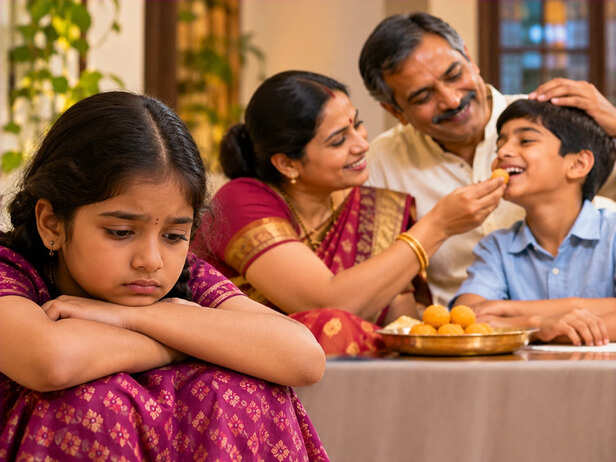
In some Indian families, a son can make serious mistakes and still find his parents standing firmly beside him. A daughter, however, may face anger simply for choosing a partner from another caste or asking for the freedom to make her own decisions. The same parents who defend their son's behaviour may question their daughter's character. This is not just a difference in parenting. It is a deeply rooted double standard that teaches daughters to adjust while teaching sons that they will always be protected.
Sons Get Excuses, Daughters Get Restrictions
A son may come home late, make poor decisions or get involved in a relationship, and his parents may find reasons to defend him. But if their daughter chooses an inter-caste partner, they may treat her decision as a family crisis. In extreme cases, daughters even face threats or violence in the name of family honour. The problem is not simply strict parenting. It is the belief that sons deserve freedom while daughters must protect the family's reputation.
Parents Sometimes Defend Even Wrong Behaviour
When a son is accused of mistreating someone, some parents immediately question the other person's intentions instead of examining their child's actions. They may dismiss harassment, disrespect or controlling behaviour as youthful mistakes. This kind of protection does not help a son become responsible. It teaches him that consequences can be avoided if his family stands behind him. Supporting a child should mean helping them understand right and wrong, not defending every action simply because they are a son.
Daughters Face Policing Even at Home
In some households, a brother is allowed to question his sister's clothes, friendships and movements, even when he enjoys freedoms that she does not have. The family may call this protection, but it often becomes control. A daughter is expected to explain where she is going, whom she is meeting and why she wants independence. Meanwhile, her brother may not face the same questions. Respect and safety matter for every child, but they should never become excuses for controlling only girls.
A Daughter's Education Is Treated Differently
Some families willingly invest their savings in a son's business, higher education or career plans but hesitate when a daughter asks to study further. She may be told to complete her education after marriage or depend on her future husband's family. A master's degree, professional course or job opportunity can suddenly become a matter of unnecessary expense. This sends a damaging message: a son's future is an investment, while a daughter's ambitions are negotiable. Education should be supported equally, regardless of gender.
Marriage Can Turn Daughters Into Caregivers
In some families, a son's marriage is seen as a solution to household responsibilities. His wife is expected to cook, clean and care for his parents, while he continues his routine with little change. The daughter-in-law may be described as another daughter, but she is often given responsibilities that the family's own daughter was never expected to carry. A marriage should bring two people together, not turn one person into unpaid domestic help. Household work and elder care should be shared fairly.
Sons' Relationships Get Excuses, Daughters Get Blame
The double standard can continue even after marriage. If a son has an affair, his parents may blame his wife, defend his actions or ask her to adjust. But if their daughter's husband is unfaithful, they may still tell her to save the marriage and avoid bringing shame to the family. In both situations, the woman's pain can become secondary to protecting the man. A healthy family should hold everyone accountable, whether the person involved is a son, daughter, husband or son-in-law.
Real Parenting Means Holding Everyone Accountable
The solution begins with a simple change: stop raising sons and daughters by different rules. Teach sons to respect boundaries, share household work and take responsibility for their behaviour. Give daughters the same freedom to study, work, choose relationships and make decisions about their lives. Parents should listen without threats, avoid using family honour to silence their children and hold both genders to the same standards. Equality at home is not created through speeches. It is built through everyday decisions.
Unlock insightful tips and inspiration on personal growth, productivity, and well-being. Stay motivated and updated with the latest at My Life XP.