
Why Does Your Child Behave Differently at Home and School?
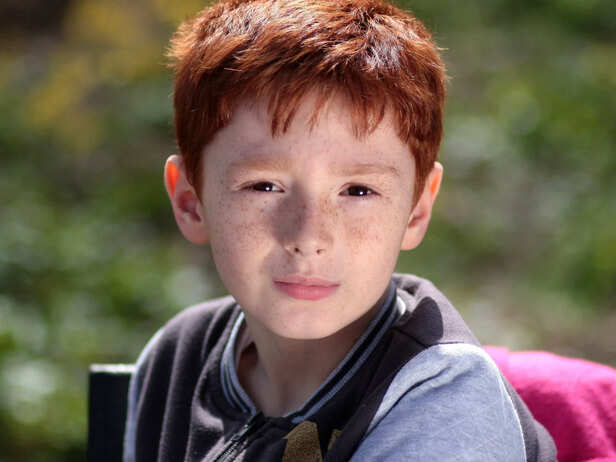
“Your child is so well behaved in class.”
For some parents, hearing this from a teacher can be surprising. At home, the same child may argue over homework, complain about dinner, lose patience with siblings or have a meltdown over something small.
So, why does my child behave differently at home and school?
The difference does not necessarily mean your child is pretending at school or that you are doing something wrong at home. Children respond to different environments in different ways. Their energy levels, emotions, expectations and sense of comfort can all affect how they behave.
School Gets Their Best Behaviour. Home Gets Their Real Emotions
A school day requires children to follow instructions, wait their turn, interact with classmates, complete work and manage their reactions.
That can take effort.
By the time they get home, they may have less energy left for controlling their emotions. A small frustration that they handled calmly at school may feel much bigger after a long day.
This is one reason a child behaves differently at home and school without necessarily having a serious behaviour problem.
They May Be Holding It Together All Day
Children do not always have the same emotional capacity throughout the day.
Imagine a child who has spent hours listening carefully, sitting through lessons, dealing with classmates and following classroom rules. When they finally get home, they may simply be tired of managing everything.
You might see crying, irritability, arguing or refusing to cooperate.
It can look like a sudden change in personality, but sometimes it is simply a sign that your child needs rest, food, quiet time or connection.
Home Feels Safe Enough to Let Go
Children often feel more comfortable showing difficult emotions around people they trust.
That does not mean parents should accept every behaviour. It simply means a child may feel safe enough at home to show frustration, sadness or disappointment instead of keeping those feelings inside.
So, if your child is good at school but difficult at home, try not to see the behaviour as a personal failure.
The goal is to understand the emotion while still keeping clear boundaries.
Rules and Expectations Are Different
The school environment has a clear structure. There are set times for lessons, breaks, activities and transitions. Teachers also have classroom expectations that children learn to follow.
Home works differently.
There may be more freedom, more choices and more emotional situations. Homework, meals, screen time, siblings and bedtime can all become points of conflict.
This difference in routine can affect child behavior at home and school.
Your Child May Simply Be Tired
Never underestimate the effect of a long school day.
Hunger, tiredness, too much stimulation, homework and a busy evening can make it harder for a child to manage frustration.
A child who normally handles a small disappointment well may struggle when they are exhausted.
Before assuming that your child's child behavior problems at home are about attitude, look at what happened before the behaviour.
Was your child hungry? Had they just returned from school? Were they rushing from one activity to another? Had they already spent hours concentrating?
Sometimes the answer starts there.
Parents See More Than Teachers Do
Teachers usually see children in one particular environment.
Parents see them everywhere else.
You see the morning rush, breakfast struggles, sibling arguments, homework frustration, dinner complaints and bedtime battles. You also see what happens when your child is sick, tired, disappointed or overwhelmed.
That gives parents a much broader picture of understanding child behavior.
A teacher might say, “They never have trouble following instructions.”
Both observations can be true.
Your child may be perfectly capable of following instructions at school while still struggling with emotions and boundaries at home.
Attention and Connection Can Change Behaviour
Sometimes children seek more attention from parents after spending most of the day away from them.
This can appear as repeated requests, interruptions, clinginess or demanding behaviour.
Instead of immediately thinking, “Why are you behaving like this?” try asking yourself, “What happened today, and what does my child need right now?”
A few minutes of calm conversation, play or physical affection can sometimes help a child transition from school mode to home mode.
Good child communication is not about agreeing with every demand. It is about listening while maintaining reasonable limits.
When Different Behaviour Is Normal
Not every difference between school and home is a warning sign.
Some variation is completely expected.
Children may behave differently depending on:
- How tired they are
- Who they are with
- How structured the environment is
- Whether they feel comfortable expressing emotions
- How many demands they are managing
- Whether they have had enough food, rest and downtime
- What is happening at home or school that day
The important thing is to look at the overall pattern rather than judging one difficult evening.
What Parents Can Do Without Making Things Worse
You do not have to choose between being understanding and setting boundaries.
Try these simple parenting tips:
Give them time to decompress.
Let your child have some quiet time after school before starting homework or asking lots of questions.
Stay calm when possible.
Your calm response can make it easier for your child to settle.
Ask instead of assuming.
Rather than saying, “Why are you behaving badly?” try, “You seem upset. What happened?”
Avoid comparisons.
Saying, “Your teacher says you behave well, so why can't you behave here?” may increase shame rather than improve behaviour.
Keep routines predictable.
Regular meal, homework, play and bedtime routines can make transitions easier.
Name the emotion.
You can say, “You seem really frustrated,” without approving the behaviour itself.
Notice the good moments.
Positive attention can help children understand which behaviours work well at home.
Talk to the teacher when needed.
If something seems unusual or has changed suddenly, comparing observations can help you understand the bigger picture.
Look for Patterns, Not Just Problems
One difficult evening does not tell you everything about your child.
Instead, notice when the behaviour happens.
Does it happen every day after school? Only before homework? Mostly when your child is hungry or tired? Does it happen with one particular sibling? Has something recently changed?
Looking for patterns can help you understand child behavior changes without immediately labelling them as a problem.
It can also help you make practical changes, such as giving your child more downtime or adjusting the timing of homework.
When Should Parents Seek Extra Help?
Different behaviour across settings is not automatically a cause for concern. However, parents should pay closer attention when changes are persistent, severe or affecting everyday life.
Consider speaking with a paediatrician, child psychologist, counsellor or another qualified professional if your child shows ongoing distress, frequent aggression, significant withdrawal, repeated school refusal, major changes in sleep or eating, or behaviour that is causing serious problems at home and school.
If concerns appear across several settings, talking with both the child's school and a qualified professional can provide a clearer picture.
Your Child Is Not Two Different People
Your child does not necessarily have a “school personality” and a “home personality.”
Different environments simply bring out different parts of their behaviour.
School may require more self-control and structure. Home may give them more freedom to express emotions. Tiredness, hunger, routines and relationships can also make a difference.
So when your child behaves differently at home and school, look beyond the behaviour itself.
Ask what may be happening underneath it.
Understanding your child's emotions does not mean removing boundaries. It means responding to the behaviour with curiosity, patience and consistency while helping your child learn better ways to handle difficult feelings.
Unlock insightful tips and inspiration on personal growth, productivity, and well-being. Stay motivated and updated with the latest at My Life XP