
7 Shocking Ways Social Media Changes Your Adult Mental Health
The hidden danger is easy to miss because there is no obvious warning sign. Instead, it can appear as constant comparison, the need to check notifications, difficulty switching off, or feeling strangely unhappy after scrolling. So, is social media actually damaging your mental health? The answer is more complicated than simply deleting every app.
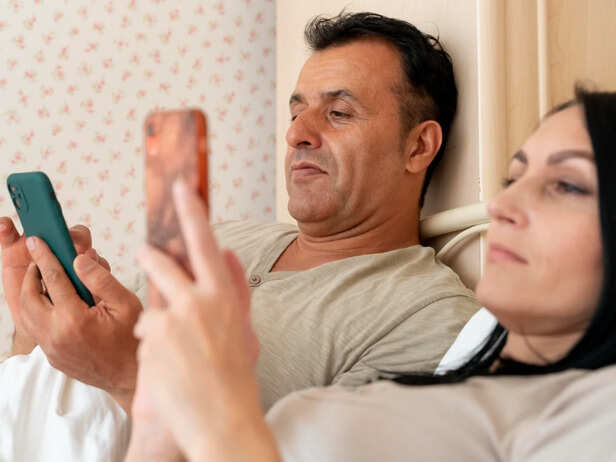
You open social media for five minutes. Somehow, 45 minutes disappear. At first, it feels harmless. You check messages, watch a few videos, see what friends are doing, and move on. But what if those small moments are quietly influencing how you feel, think, and see yourself?
Social media can help adults stay connected, informed, and entertained. But frequent or unhealthy use may also be linked with stress, loneliness, sleep problems, comparison, and low self-esteem. The surprising part is that the problem may not always be how much you use social media, but how it makes you feel while using it.
The Scroll That Changes Your Mood
Social media can influence your mood without you immediately noticing it. One moment, you may feel relaxed. A few minutes later, you may feel anxious, left behind, or dissatisfied with your own life.
This often happens because social platforms constantly expose users to carefully selected moments from other people's lives. You see achievements, holidays, relationships, promotions, and celebrations, but rarely the ordinary struggles behind them.
Over time, this can create an unrealistic picture of what everyone else's life looks like.
Comparison Is the Hidden Trap
One of the biggest emotional traps on social media is comparison.
You may not consciously think, "I am comparing myself." Instead, thoughts quietly appear: Why am I not earning more? Why is everyone travelling? Why does their relationship look happier? Why am I falling behind?
The problem is that you are comparing your real life with someone else's edited highlights.
Research has linked problematic social media use with poorer mental health outcomes, although the relationship is complex and can vary from person to person. The key question is not simply what you see online, but how you interpret it.
When Checking Becomes a Habit
Have you ever unlocked your phone without knowing why?
You check one notification, then another post appears. Soon, you are scrolling again.
This repetitive behaviour can become automatic. Notifications, likes, comments, and new content can encourage people to keep returning to an app.
For some adults, this creates a cycle where boredom leads to scrolling, scrolling provides temporary stimulation, and the phone becomes the first response whenever there is an empty moment.
The result can be less uninterrupted time for work, relationships, hobbies, exercise, or simply being alone with your thoughts.
Your Sleep May Pay the Price
The bedtime scroll can feel like a harmless way to relax, but it may keep your mind active when your body should be winding down.
An endless stream of videos, messages, news, and conversations can make it difficult to mentally disconnect. Using a phone late at night can also push bedtime later than planned.
Poor sleep can then affect mood, concentration, patience, and energy the following day.
This creates a frustrating cycle: you feel tired, reach for your phone for entertainment, stay awake longer, and start the next day feeling even more drained.
Not All Social Media Is Bad
Here is the twist: social media is not automatically harmful.
For many adults, it provides genuine benefits. People can maintain long-distance friendships, find communities, learn new skills, discover useful information, and stay connected with family.
For someone who feels isolated, an online community may provide meaningful support.
The difference often comes down to how and why you use it.
Passive scrolling that leaves you feeling inadequate is very different from intentionally messaging a friend, joining a supportive community, or learning something useful.
The goal is not necessarily less technology. It is healthier technology use.
Five Simple Ways to Take Back Control
You do not have to delete every social media app to protect your mental wellbeing.
Start small. Turn off unnecessary notifications. Avoid checking social media immediately after waking up or just before sleeping. Unfollow accounts that repeatedly make you feel anxious or inadequate.
Notice how you feel after scrolling. Energised? Connected? Or drained and unhappy?
You can also create phone-free periods during meals, work, exercise, or conversations.
Most importantly, replace some scrolling with activities that genuinely restore you, such as walking, reading, talking to someone, listening to music, or spending time outdoors.
The Real Question Is How It Makes You Feel
The biggest warning sign may not be the number of hours displayed on your screen-time report.
It may be how you feel afterward.
If social media regularly leaves you anxious, lonely, distracted, jealous, exhausted, or dissatisfied with your own life, that feeling deserves attention.
Social media can be a useful tool, but it should not become the place where you measure your worth.
Your life is not supposed to compete with someone's carefully selected feed.
The next time you reach for your phone, pause for one question: "Will this make me feel better, or simply keep me scrolling?"
That small question can change the way you use social media.
Unlock insightful tips and inspiration on personal growth, productivity, and well-being. Stay motivated and updated with the latest at My Life XP.