Being Together All Day Can Actually Make Couples Fight More, Here's Why!
Palak Khanna | Aug 07, 2026, 20:19 IST
Spending more time with your partner sounds like a relationship dream. No rushing to work, no waiting for the evening, more meals together and plenty of time to talk. Yet for some couples, too much time at home together can have the opposite effect. Small habits suddenly become irritating, conversations turn into arguments and even harmless comments can feel unnecessarily personal. Here’s why being around each other all day can sometimes create more friction than closeness.

Too Much Togetherness?
Image credit : Chatgpt (AI)
Ever noticed how your partner can be perfectly fine at 9 a.m., slightly annoying by lunch and somehow very irritating by 6 p.m., even though they have barely done anything wrong? You are not necessarily falling out of love. Sometimes, you are simply spending too much time in the same space without enough mental breathing room. When couples work from home, spend weekends indoors or have fewer opportunities to socialise separately, everyday habits become much more visible. That can make tiny annoyances feel surprisingly huge. The problem is not necessarily being together. It is having togetherness without enough personal space, variety or independence.
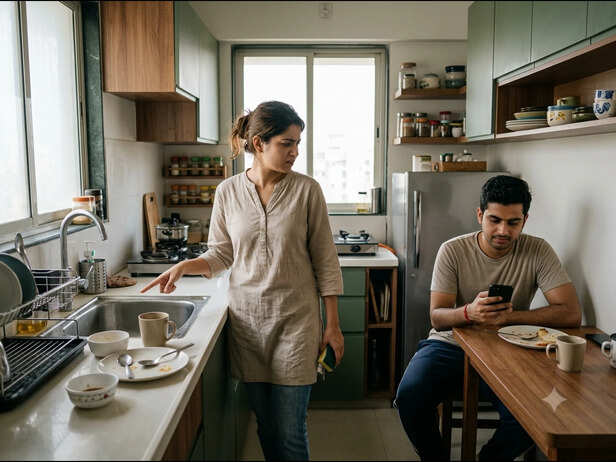
When you only see your partner for a few hours after work, their little habits may barely register. But spending all day together can put those habits under a mental microscope. The way they leave dishes around, scroll on their phone during breakfast, speak while you are concentrating or repeatedly ask the same question can suddenly become irritating. Psychologically, repeated exposure can make minor behaviours feel more noticeable. And once you become irritated by one habit, you may start noticing several others. That is how "Why didn't you put the mug in the sink?" can somehow become an argument about everything that has gone wrong in the relationship.
![Together, But Distant]()
There is a big difference between spending time together and connecting. A couple can spend eight hours in the same room while one person works, another watches reels and both occasionally exchange practical questions like, "What's for dinner?" This can create a strange kind of emotional loneliness. When meaningful interaction decreases, partners may start interpreting ordinary behaviour negatively. A quiet partner may seem uninterested. A distracted partner may appear uncaring. Someone who simply wants to relax may be accused of ignoring the relationship. The issue may not be a lack of love. It may simply be a lack of intentional connection.
Personal space is not the enemy of intimacy. In fact, having separate experiences can give couples something new to bring back into the relationship. Time with friends, hobbies, work, exercise or even sitting alone with your thoughts allows the brain to reset. Without that break, emotional irritation can build. This is particularly relevant for couples who work and live in the same space. When your partner becomes your colleague, roommate, best friend, entertainment partner and emotional support system all at once, the relationship can start carrying too many roles. You may love someone deeply and still need an hour away from them.
![Small Things, Big Fights]()
Sometimes the argument is not really about the argument. When every day starts looking identical, couples can experience relationship boredom. There are fewer new experiences, fewer stories to share and less anticipation about seeing each other. That monotony can make ordinary frustrations feel louder. Suddenly, an argument about what to watch becomes an argument about how "we never do anything anymore." This is why changing the routine can help. Going out separately, trying a new activity, meeting friends or even planning a simple date can introduce novelty back into the relationship. Sometimes couples do not need another serious conversation. They need something different to talk about.
![Make Space, Feel Close]()
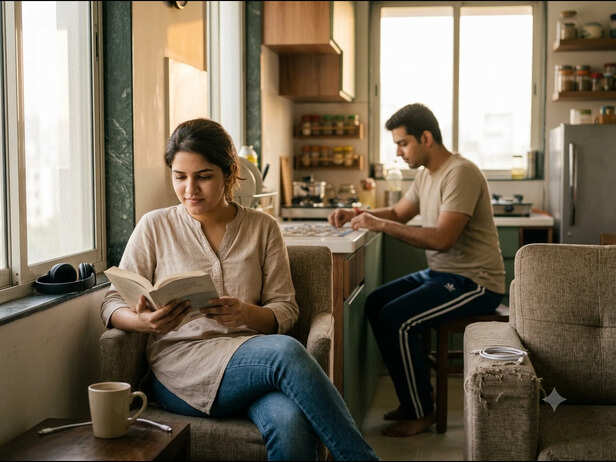
Healthy relationships are not built on being together every minute. They are built on being able to enjoy closeness without losing individuality. A simple way to reduce unnecessary friction is to create small pockets of separate time. One partner can go for a walk while the other watches a show. You can have separate hobbies, meet different friends or simply spend an evening in different rooms without treating it as rejection. It can also help to create "intentional together time" rather than expecting every shared moment to automatically feel meaningful. The goal is not distance. It is balance.
If you and your partner have been arguing more since spending more time at home together, it does not automatically mean something is wrong with your relationship. Sometimes, constant proximity simply removes the little pauses that help people stay patient, curious and emotionally refreshed. Love does not require 24/7 access to each other. In fact, a little independence can make conversations more interesting, irritation less intense and time together feel special again. So the next time your partner annoys you for the fifth time before dinner, maybe do not start another argument. Take a little space, breathe and come back later. You might discover that you were not tired of each other. You were just tired of being around each other all the time.
Are relationship issues affecting your peace of mind? Your name energy may be playing a role. Check your name energy here!
Unlock insightful tips and inspiration on personal growth, productivity, and well-being. Stay motivated and updated with the latest atMy Life XP.
When Small Habits Suddenly Become Big Problems
Being Together Does Not Mean Being Emotionally Available
Together, But Distant
Image credit : Gemini (AI)
There is a big difference between spending time together and connecting. A couple can spend eight hours in the same room while one person works, another watches reels and both occasionally exchange practical questions like, "What's for dinner?" This can create a strange kind of emotional loneliness. When meaningful interaction decreases, partners may start interpreting ordinary behaviour negatively. A quiet partner may seem uninterested. A distracted partner may appear uncaring. Someone who simply wants to relax may be accused of ignoring the relationship. The issue may not be a lack of love. It may simply be a lack of intentional connection.
Too Much Togetherness Can Reduce Your Patience
Boredom Can Make Couples Fight About Almost Anything
Small Things, Big Fights
Image credit : Gemini (AI)
Sometimes the argument is not really about the argument. When every day starts looking identical, couples can experience relationship boredom. There are fewer new experiences, fewer stories to share and less anticipation about seeing each other. That monotony can make ordinary frustrations feel louder. Suddenly, an argument about what to watch becomes an argument about how "we never do anything anymore." This is why changing the routine can help. Going out separately, trying a new activity, meeting friends or even planning a simple date can introduce novelty back into the relationship. Sometimes couples do not need another serious conversation. They need something different to talk about.
The Healthiest Couples Know When to Step Back
Make Space, Feel Close
Image credit : Gemini (AI)
Healthy relationships are not built on being together every minute. They are built on being able to enjoy closeness without losing individuality. A simple way to reduce unnecessary friction is to create small pockets of separate time. One partner can go for a walk while the other watches a show. You can have separate hobbies, meet different friends or simply spend an evening in different rooms without treating it as rejection. It can also help to create "intentional together time" rather than expecting every shared moment to automatically feel meaningful. The goal is not distance. It is balance.
Sometimes, A Little Space Brings You Closer
Are relationship issues affecting your peace of mind? Your name energy may be playing a role. Check your name energy here!
Unlock insightful tips and inspiration on personal growth, productivity, and well-being. Stay motivated and updated with the latest atMy Life XP.