
Does Marriage Really Erase a Woman's Identity in India?
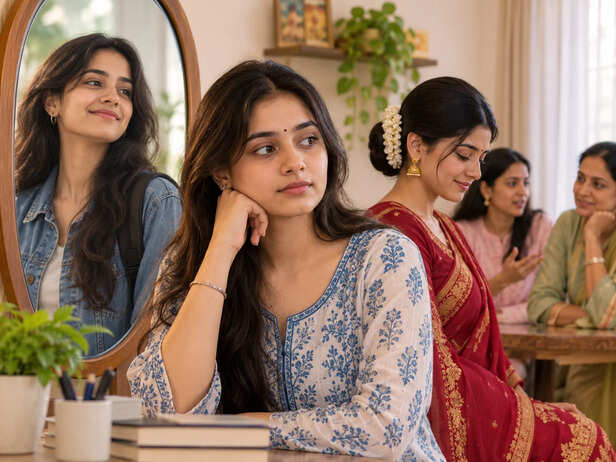
A woman gets married, but why does society suddenly expect her to have a new home, new parents and a completely different set of responsibilities? Her name may remain the same, but the expectations around her identity can change overnight. She is told to adjust to her husband's family, treat his parents like her own and take responsibility for relationships she did not grow up with. But why is the same level of adjustment not always expected from the husband? This raises an uncomfortable question: has marriage become a partnership, or is it still asking women to leave too much of themselves behind?
Why Does Marriage Change a Woman's Identity?
For many Indian women, marriage brings more than a change in relationship status. They are expected to move into their husband's home, adapt to unfamiliar customs and build relationships with a new family. The problem begins when these changes are treated as duties rather than personal choices. Marriage should create a shared life between two individuals, not require a woman to leave behind the identity, relationships and emotional connections she has built over the years.
Are In-Laws Automatically Her New Parents?
Respecting a partner's parents is a natural part of a healthy marriage. However, expecting a woman to immediately consider her in-laws her new parents can create emotional pressure. Relationships need time, trust and understanding to grow. A woman can respect and care for her husband's parents without being told that her own parents have somehow been replaced. She does not need a new set of parents after marriage. She needs the freedom to build meaningful relationships with both families.
Why Are Family Responsibilities Unequal?
In many traditional households, a daughter-in-law is expected to take responsibility for cooking, caregiving, family events and maintaining relationships with relatives. Meanwhile, the son may continue living with fewer changes to his daily responsibilities. This unequal division can leave women feeling that marriage has added another full-time role to their lives. Household and family responsibilities should be discussed and shared between partners instead of being assigned according to gender.
Why Does the Daughter Have to Leave Home?
A daughter may get married, but that does not mean her connection with her parental home should become weaker. Yet, some families still treat a daughter's marriage as the moment she permanently belongs somewhere else. Her visits, decisions and emotional needs may begin to depend on what her marital family expects. This thinking can make women feel like guests in the homes where they once felt completely secure. Marriage should expand a person's family, not take away the comfort of their original home.
The Double Standards Nobody Questions
A common double standard is that a son is rarely expected to stop considering his parents his own family after marriage, while a daughter may be expected to treat her husband's family as her primary family. The husband often continues his familiar routines, but the wife is asked to make several adjustments. These expectations are not followed in every Indian household, but where they exist, they create an unequal partnership. Both spouses should have the same freedom to stay connected to their parents and traditions.
When Family Expectations Become Mental Pressure
Being expected to please everyone can become emotionally exhausting. A woman may feel guilty for missing her parents, uncomfortable about expressing her needs or afraid of being labelled a bad daughter-in-law. When her concerns are dismissed, loneliness and stress can grow. Partners should take these feelings seriously rather than asking women to adjust endlessly. Open conversations, emotional support and clear boundaries can help prevent family expectations from turning into constant mental pressure.
Marriage Should Add a Family, Not Erase One
A healthy marriage does not require a woman to choose between her parents and her in-laws. Both partners should be able to maintain their family relationships, share responsibilities and make decisions together. Parents also need to understand that their children remain emotionally connected to them after marriage. The real foundation of a successful marriage is mutual respect, not one-sided sacrifice. A daughter does not stop being a daughter when she becomes a wife, and a son should also learn to share the responsibilities of married life.
Unlock insightful tips and inspiration on personal growth, productivity, and well-being. Stay motivated and updated with the latest at My Life XP.