
The Hidden Fear That Makes Smart People Avoid Marriage
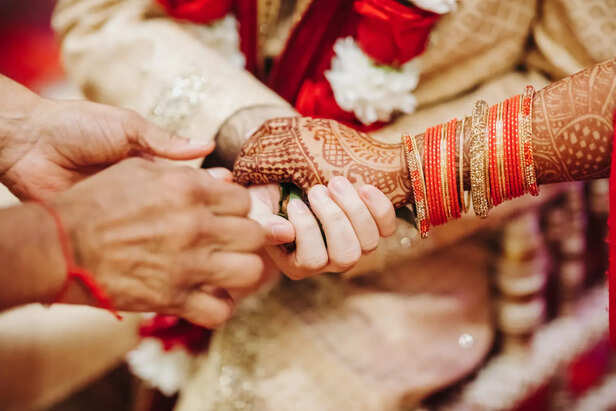
Weddings are everywhere: glittering venues, floral arrangements, and smiling families. Yet, behind the laughter, an unseen anxiety grips many urban professionals. It’s called gamophobia the fear of marriage. For some, it’s more than hesitation; it’s a full-blown psychological struggle that can trigger panic attacks, nausea, and emotional paralysis. The irony? Many affected individuals are confident, accomplished, and seemingly ready for life’s commitments. But beneath the surface, fear silently controls decisions. Understanding this phobia is crucial not to push people toward marriage, but to free them from the grip of irrational fear.
When Fear Isn’t Just Cold Feet
For those with gamophobia, the idea of marriage triggers intense anxiety. Conversations about weddings, even casual ones, can lead to sweating, nausea, or a strong urge to escape. It’s not indecision; it’s a clinical response. Psychiatrists explain that this fear is often rooted in psychological patterns past trauma, dysfunctional family dynamics, or fear of losing independence. Unlike typical nervousness, gamophobia affects daily life, clouding judgment and creating emotional distress that goes beyond the engagement ring or wedding day.
The Surprising Profile of Those Affected
Experts report that gamophobia is increasingly common among urban, educated youth. Patients often have stable careers, independent lives, and social confidence, yet marriage triggers panic. The paradox is striking: external success doesn’t shield the mind from internal anxiety. This fear often appears after age 30, when societal and familial pressure intensifies. Early recognition is critical because many sufferers don’t realize they’re experiencing a phobia, mistaking it for simple reluctance or indecision.
Understanding the Root Causes
Gamophobia is rarely about marriage itself. Experts link it to unresolved psychological issues, such as observing dysfunctional marriages during formative years or experiencing personal trauma. Some fear loss of freedom, while others dread emotional vulnerability. The phobia grows when society emphasizes marriage as a milestone, increasing stress and self-doubt. Awareness of these roots allows sufferers to confront their fears consciously rather than letting panic dictate life choices.
How Therapy Helps
Mental health professionals use cognitive behavioral therapy (CBT), talk therapy, and sometimes medication to help patients manage gamophobia. Therapy doesn’t force marriage; it restores control over thoughts and reactions. Gradually, sufferers learn to distinguish rational concerns from irrational fear, reducing panic responses and reclaiming emotional stability. With proper guidance, gamophobia can be managed, allowing individuals to make informed decisions about relationships without being overwhelmed by anxiety.
Moving Beyond Fear
The ultimate message is simple: marriage is not mandatory, but fear should never control your decisions. Recognizing gamophobia is the first step to freedom. Early intervention, self-awareness, and professional support can transform anxiety into confidence. The goal is not to fit into societal norms but to live authentically with clarity, emotional balance, and peace of mind.
Fear shouldn’t dictate life’s biggest choices
Gamophobia, the fear of marriage, is real and increasingly affecting educated, capable individuals. It goes beyond simple hesitation triggering anxiety, panic, and emotional paralysis at the thought of commitment. Understanding this fear, accepting it without judgment, and seeking timely professional help are essential. Therapy and self-awareness allow individuals to confront these hidden anxieties, regain clarity, and make decisions from a place of calm rather than panic. Life’s choices should reflect personal readiness and values, not societal pressure or fear. By acknowledging gamophobia, you reclaim control, live fully, and determine your own path marriage or otherwise.
Unlock insightful tips and inspiration on personal growth, productivity, and well-being. Stay motivated and updated with the latest at My Life XP.
Frequently Asked Questions (FAQs)
1. What is gamophobia?
Gamophobia is an intense, often irrational fear of marriage or commitment. It can cause anxiety, panic attacks, or avoidance behaviors.
2. Who can develop gamophobia?
Anyone can experience it, but it’s increasingly seen among educated, urban, and career-oriented individuals who feel societal or family pressure to marry.
3. What triggers gamophobia?
Common triggers include fear of losing independence, past trauma, observing dysfunctional relationships, or pressure to conform to societal expectations.
4. How is it treated?
Treatment often involves therapy (CBT or talk therapy), mindfulness, and in some cases, medication, aimed at reducing anxiety and building coping strategies.
5. Can people recover from gamophobia?
Yes, with early recognition and professional help, individuals can manage or overcome gamophobia, making life choices from clarity instead of fear.