
Why Comparing Your Relationship to Others Can Make It Weaker?
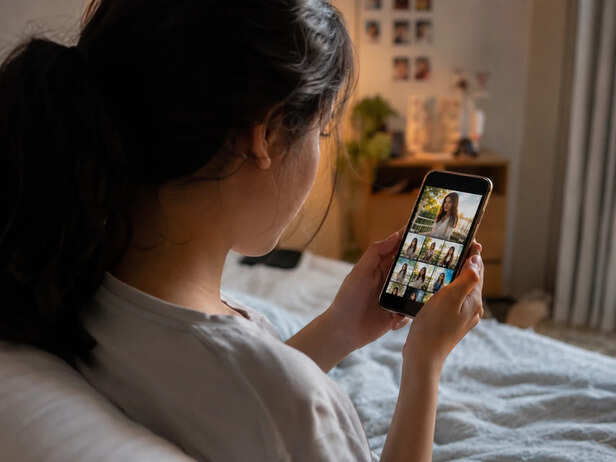
It happens without much thought. You see a couple laughing in a reel, celebrating an anniversary with flowers everywhere, or simply looking effortlessly happy, and a small voice inside asks why your own relationship does not feel that way. This habit of comparing feels harmless in the moment, but psychologists say it can quietly chip away at trust, satisfaction, and closeness over time. Understanding why this happens can help you catch it before it does real damage.
It Is a Natural Human Habit
Comparing ourselves to others is not some rare flaw, it is part of how humans are wired. It explains that when we do not have a clear way to judge how we are doing in life, we naturally look at others to measure ourselves. This applies to careers, looks, and yes, relationships too.
Why It Feels So Common Today
With social comparison theory relationships playing out constantly on social media, this habit has only grown stronger. Every scroll shows another couple's highlight reel, vacations, anniversaries, sweet captions, without any glimpse into their private arguments or struggles. This creates an unfair comparison, since you are placing your full, complicated reality next to someone else's polished, filtered version of life.
The Real Damage It Can Cause
Research has shown that people who frequently compare their relationships to others report lower relationship satisfaction. Mental health experts explain that this habit often leads to dissatisfaction, resentment, and even hopelessness for both partners, not just the person doing the comparing. Interestingly, studies also found that these comparisons affect not just how you feel about your relationship, but how your partner feels too, even if they were not the one comparing in the first place.
Signs You Might Be Doing This
Some signs you compare your relationship to others include feeling disappointed after seeing another couple's photos, wondering why your partner does not do certain things another partner does, or feeling like your relationship is somehow behind where it should be. These thoughts often creep in quietly, disguised as harmless curiosity, but they can build up into real dissatisfaction over time.
Why Upward Comparisons Hurt the Most
Psychologists differentiate between two types of comparisons. Downward comparisons, where you compare yourself to a couple you feel is worse off, can sometimes make you feel more grateful. But upward comparisons, where you measure yourself against a couple that seems better, tend to be far more damaging. Research has linked frequent upward comparisons to lower satisfaction not just in the moment, but even six months later.
How to Stop Comparing Relationship Habits
Learning how to stop comparing relationship patterns starts with awareness. The next time you catch yourself comparing, try shifting focus back to your own relationship. Notice small, real things your partner did recently, a thoughtful text, a shared laugh, a quiet moment of support. These details are often overlooked simply because they do not look as dramatic as what you see online.
Focus on What You Actually Need
A big part of comparison often hides a deeper, unspoken need. Instead of silently comparing, it helps to ask yourself what you are actually missing and whether you have expressed that to your partner. Many relationship experts suggest that honest, gentle communication does far more good than silent comparison ever could.
Every Relationship Has a Different Story
No two relationships work the same way, and that is completely normal. What works beautifully for one couple might not suit another at all. Recognizing that your relationship does not need to look like anyone else's, it just needs to work for you and your partner, is often the first real step toward feeling more secure in what you already have.
Comparing your relationship to others might feel like a small, private habit, but its effects are far from small. It can quietly build relationship dissatisfaction comparison patterns that neither partner may fully notice until resentment sets in. The healthier path is choosing to focus inward, appreciating what your relationship offers, and communicating openly about what you truly need, rather than measuring your happiness against someone else's carefully curated story.
Unlock insightful tips and inspiration on personal growth, productivity, and well-being. Stay motivated and updated with the latest at My Life XP.