
Why Do Certain Places Instantly Change Our Mood?
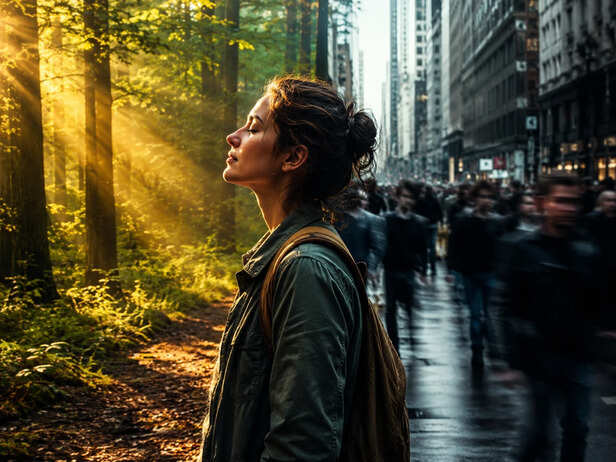
Most people have experienced it at some point. A walk along the beach brings an unexpected sense of calm. A visit to an old school sparks nostalgia. A crowded shopping mall creates irritation or exhaustion. These emotional shifts often happen so quickly that we barely notice them. The relationship between places and emotions runs deeper than many realize. Human beings are shaped not only by the people around them but also by the environments they inhabit. Every space sends signals to the brain, influencing mood, behavior, and even physical health. Researchers in psychology, neuroscience, and environmental design have spent decades exploring why some places uplift us while others leave us drained. Their findings reveal that our emotional connection to places is rooted in both biology and personal experience.
Our Brains Are Constantly Reading the Environment
The human brain evolved to assess surroundings for safety and comfort. Long before modern cities existed, our ancestors depended on quickly interpreting environmental signals to survive. Even today, the brain continues this process automatically. Bright natural light often signals safety and activity, while dark or enclosed spaces may trigger caution. Open landscapes can create feelings of freedom, whereas cramped environments may increase tension. This rapid evaluation happens below conscious awareness. Within moments of entering a space, the brain begins adjusting stress hormones, heart rate, and emotional responses based on what it perceives. That is why some locations feel welcoming immediately while others leave us feeling uncomfortable without any obvious reason.
Memories Turn Ordinary Places Into Emotional Time Capsules
Places are powerful memory holders. The brain often links physical locations with significant life events, creating emotional associations that can last for decades. A childhood bedroom may evoke comfort and security. A hospital corridor might bring back anxiety. A favorite café could remind someone of meaningful conversations or personal milestones. Neuroscientists believe that memory and emotion are closely connected within the brain. When we revisit a familiar place, those stored emotional experiences can resurface almost instantly. This explains why two people can react very differently to the same location. What feels peaceful to one person may trigger sadness or stress in another because of their unique experiences.
Nature Has a Remarkable Effect on Mental Health
Among all environments, natural settings consistently have one of the strongest positive effects on mood. Studies show that spending time around trees, water, mountains, and green spaces can reduce stress, lower blood pressure, and improve emotional well-being. Even brief exposure to nature may help restore mental focus and reduce feelings of anxiety. Researchers suggest that humans evolved in natural environments for thousands of years. As a result, the brain may still respond positively to landscapes that resemble those ancestral settings. The sound of flowing water, the movement of leaves, and the presence of open skies create sensory experiences that encourage relaxation. This is one reason why people often seek parks, beaches, and forests when they need to recharge emotionally.
Design, Color, and Architecture Influence Feelings
The way a place is designed can significantly affect emotional responses. Warm lighting often creates feelings of comfort, while harsh lighting can increase fatigue. Soft colors tend to promote relaxation, whereas intense colors may stimulate energy or excitement. Architecture also plays a role. High ceilings can encourage creativity and a sense of openness. Spaces filled with natural light generally improve mood and productivity. On the other hand, cluttered or poorly designed environments can contribute to stress and mental exhaustion. Many modern workplaces, hospitals, and schools are increasingly incorporating psychological principles into their design to create healthier and more welcoming spaces. The goal is simple: shape environments that support emotional well-being rather than undermine it.
Social Energy Can Transform a Place
Places are not defined solely by physical features. The people within them matter just as much. A simple room can feel joyful when filled with loved ones. Conversely, a beautiful location may feel uncomfortable if associated with conflict or loneliness. Humans are social creatures, and the brain constantly evaluates social cues. Laughter, conversation, friendliness, and shared experiences contribute to the emotional atmosphere of a place. This phenomenon is often called the "emotional climate" of a location. It explains why certain restaurants, homes, classrooms, or public spaces seem to have a distinctive feeling that goes beyond their appearance. In many cases, it is not the place itself that changes our mood. It is the combination of environment and social connection working together.
The Invisible Power of Place
Places influence us far more than we often realize. Every environment communicates with the brain through sensory signals, memories, design elements, and social experiences. These factors work together to shape emotions, sometimes within seconds. Whether it is the serenity of a forest, the nostalgia of a childhood neighborhood, or the warmth of a room filled with familiar faces, places have the power to affect how we think, feel, and behave. As our lives become increasingly fast-paced and digitally connected, understanding the emotional impact of physical spaces is more important than ever. The places we choose to spend time in do not merely surround us. They quietly shape our inner world every day.
Unlock insightful tips and inspiration on personal growth, productivity, and well-being. Stay motivated and updated with the latest at My Life XP.