
Why Does a Groom’s Brother Gift the Bride a Dholna?
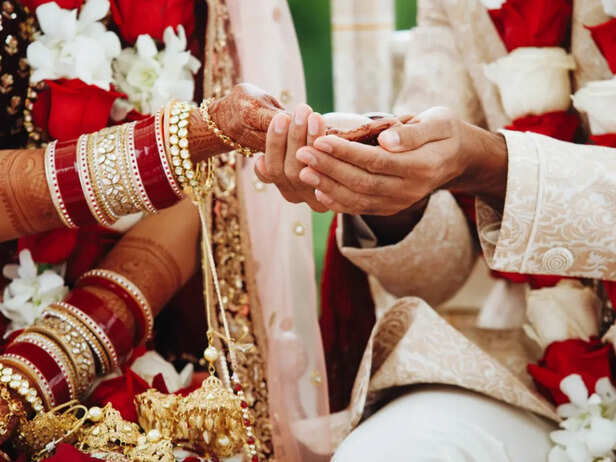
A bride leaves behind her childhood home to begin a new life with her husband and his family. But what if, before she enters her new home, someone from her husband’s family promises to stand by her like a brother? This is the heart of Gurhathi, a traditional wedding ritual followed in parts of Bihar. What makes it unusual is that the groom is not present during the ceremony. Instead, his elder brother takes centre stage and gives the bride something that carries a promise far deeper than its appearance.
What Is the Gurhathi Ritual?
Gurhathi is a traditional wedding custom observed in some communities of Bihar. During this ceremony, the groom’s elder brother performs a special role by presenting the bride with a Dholna. If the groom does not have an elder brother, an older male member of the family may perform the ritual. Unlike the main wedding ceremonies, the groom is not present in the mandap at this moment. The attention remains on the bride and the promise being made to her as she prepares to enter a new family.
Why Is the Groom Not Present?
One of the most interesting details of Gurhathi is the groom’s absence. The bride sits in the mandap, but it is her future brother-in-law who performs the ceremony. His presence gives the ritual a different meaning from the usual wedding exchanges between the bride and groom. Instead of focusing on the marriage itself, this moment recognises another relationship the bride will become part of after the wedding: her bond with her husband’s elder brother.
What Is the Dholna Given to the Bride?
During Gurhathi, the groom’s elder brother gives the bride a Dholna, traditionally described as an ornament or protective thread made with red beads or a red thread. It is not simply a decorative gift. The Dholna carries the meaning of a raksha sutra, symbolising care, protection and support. As he presents it, the elder brother takes on a special responsibility towards the bride, who is about to become part of his family.
The Promise Behind the Dholna
The most touching part of Gurhathi is the promise associated with the Dholna. The groom’s elder brother assures the bride that he will stand by her like an older brother in her new home. If she faces difficulties, he will support her and not leave her alone. The traditional message goes even further: if her husband ever fails to support her, she should still have a brother in the family to turn to. It gives the ritual an emotional meaning beyond the exchange of gifts.
Why Is the Dholna Compared to a Mangalsutra?
In the tradition described in some Bihar communities, the Dholna is given special importance as a bridal ornament and is associated with the place that a mangalsutra holds in other wedding customs. Its meaning, however, is different. Rather than representing only the marital bond, it is linked to the promise of protection made by the groom’s elder brother. The bride wears it as a reminder of the relationship and responsibility created during Gurhathi. Customs around bridal jewellery vary across Bihar, so the practice is not identical in every family.
When the Brother-in-Law Becomes a Brother
Marriage brings two families together, but it also creates new relationships that take time to grow. Gurhathi gives one of those relationships a special beginning. The groom’s elder brother is not simply welcoming a new member into the household; he is accepting a responsibility towards her. The ritual presents the jeth as someone the bride can approach for support and guidance. It is a reminder that her new family should offer her care and a sense of belonging.
The Emotional Meaning of Gurhathi
The line “Dheere-dheere chaliyo sasur galiyan” captures the emotions of a bride leaving her parental home and stepping into an unfamiliar household. Gurhathi adds another layer to that journey. The Dholna represents a promise that she will not have to face every challenge alone. Although the custom may be followed differently across communities, its central message is easy to understand: a bride deserves respect, security and emotional support in her new home. That is what makes this wedding ritual so meaningful.
Unlock insightful tips and inspiration on personal growth, productivity, and well-being. Stay motivated and updated with the latest at My Life XP.