
40-Day Mannat at Ajmer Sharif: What Happens Next?
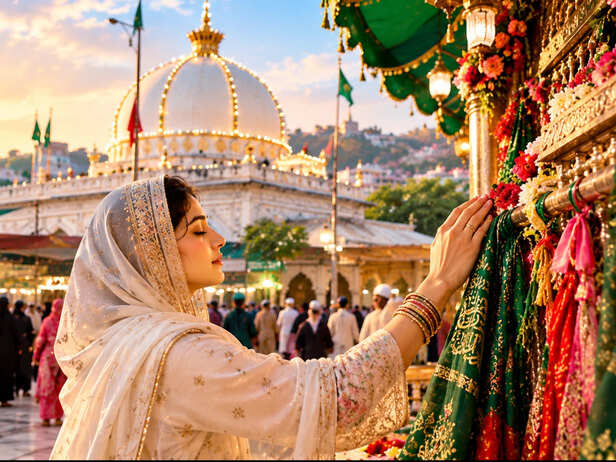
What if a prayer is not only about asking for something, but also about learning to wait for it? In Rajasthan’s Ajmer, thousands of devotees visit the Ajmer Sharif Dargah with hopes, worries and personal mannats. Among the many beliefs associated with the shrine is the significance of 40 days of prayer and devotion. But where does this idea come from, and why does the number 40 hold such importance for some devotees? The answer lies less in a guaranteed timeline and more in the traditions of faith, patience and spiritual discipline surrounding this historic shrine.
Why Ajmer Sharif Feels Different
The Ajmer Sharif Dargah is the shrine of the revered Sufi saint Khwaja Moinuddin Chishti, popularly associated with the name Garib Nawaz. Located in Ajmer, Rajasthan, it has long attracted pilgrims from different communities. Rajasthan Tourism describes the shrine as a place whose doors are open to people of all faiths and religions. Its atmosphere, devotional practices and centuries-old traditions have made it an important spiritual destination. For many visitors, the journey is not simply about asking for a wish. It is also about finding peace, expressing gratitude and placing personal worries before God.
The 40-Day Belief
The idea of 40-day prayers at Ajmer Sharif is found in traditions associated with the shrine. Some shrine-related sources describe people undertaking prayers for 40 days, while shorter periods such as 11 or 21 days are also mentioned. This is important because the popular phrase “prayers are answered within 40 days” can easily sound like a fixed promise. There is no reliable basis for treating 40 days as a guaranteed deadline for every prayer. Instead, it is better understood as a period of sustained devotion and hope followed by devotees in certain traditions.
What Makes a Mannat Meaningful
A mannat is essentially a prayer or vow connected with a deeply personal hope. At Ajmer Sharif, devotees may come with concerns about family, relationships, livelihood, health, peace or other aspects of life. The official shrine-related material describes devotees visiting with heartfelt desires and returning with offerings when they believe their prayers have been fulfilled. This tradition shows why a mannat at Ajmer Sharif carries emotional meaning for many visitors. The focus is not simply on receiving something, but on expressing faith, gratitude and a willingness to remain spiritually committed while facing uncertainty.
The Deeper Meaning of 40 Days
The number 40 also appears in the spiritual history associated with Ajmer Sharif. One example is Baba Farid Ka Chilla, a secluded place within the shrine complex connected with the tradition that Baba Farid spent 40 days there in prayer and spiritual communion. The site remains part of the shrine’s religious history. This gives the number 40 a deeper context than simply being a countdown to a fulfilled wish. For devotees, a period of prayer can represent consistency, patience and inner reflection. It turns waiting into a spiritual practice rather than merely expecting an immediate answer.
A Shrine Built Around Hope
Imagine someone arriving at Ajmer Sharif Dargah after months of carrying a personal worry. They may not know whether circumstances will change, but the act of visiting the shrine gives them a place to pause, pray and express what they cannot easily say elsewhere. This emotional connection helps explain the shrine’s enduring popularity. Incredible India notes that people of different faiths visit Ajmer Sharif and associate it with love, peace, compassion and spiritual harmony. The experience can therefore be meaningful even when a person does not receive the exact outcome they initially hoped for.
What Devotees Can Learn
The most meaningful takeaway from the Ajmer Sharif 40-day prayer tradition may not be a promise that something will happen on a particular day. Instead, it can be the discipline of returning to faith while continuing to handle life responsibly. A prayer can provide emotional strength, but practical action still matters. Someone praying for a career opportunity must continue applying for jobs. Someone praying for family peace must also communicate and make changes where possible. Faith and effort do not have to compete. For many devotees, prayer becomes a way to remain hopeful while continuing the work that life demands.
Faith Is Also About Patience
The famous Sanskrit verse from the Bhagavad Gita 4.39, “Shraddhavan labhate jnanam,” is often understood as highlighting the role of faith in gaining wisdom. While this verse belongs to a different religious tradition and is not a teaching of Ajmer Sharif, its broader theme can offer a thoughtful reflection on devotion: faith can change the way a person faces uncertainty. The Ajmer Sharif Dargah continues to draw people because it represents centuries of spiritual tradition, remembrance and hope. Whether a prayer takes 40 days, longer or follows an entirely different path, the deeper journey can be about patience, gratitude and inner strength.
Unlock insightful tips and inspiration on personal growth, productivity, and well-being. Stay motivated and updated with the latest at My Life XP