
5 Lessons From Yudhishthira on How to Accept Your Mistakes
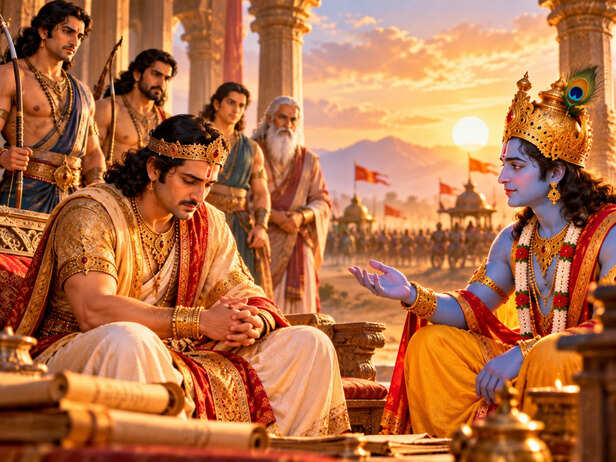
What if the strongest reply to criticism is not an argument, but the courage to admit you were wrong? The Mahabharata offers a powerful way to think about mistakes, responsibility and the true meaning of dharma. Yudhishthira, known as Dharmaraja, is remembered for his commitment to righteousness, yet his decisions during the dice game led to devastating consequences. His story reminds us that a good reputation does not make anyone free from mistakes. What matters is whether we have the honesty to face our actions and the courage to change.
When a Good Person Makes a Serious Mistake
Yudhishthira is widely known as Dharmaraja because of his association with truth and righteousness. Yet, during the infamous dice game in the Mahabharata, he gambled away his kingdom and eventually staked his brothers and Draupadi. His decisions had devastating consequences for his family and helped set the stage for the Kurukshetra war. This episode raises an uncomfortable question: can someone who stands for dharma still act wrongly? The story reminds us that good intentions or a respected reputation cannot excuse harmful decisions. Every person must take responsibility for the consequences of their actions.
Vidura's Lesson About Responsibility
Vidura is remembered in the Mahabharata for his wisdom, sound judgement and moral guidance. His counsel often challenges people to look beyond pride and personal interest. The lesson associated with his character applies to anyone who receives criticism today: when someone points out a genuine mistake, our first instinct may be to defend ourselves. We might blame circumstances or question the other person's intentions. But criticism can also reveal something we have failed to see. Listening carefully does not mean accepting every accusation. It means being honest enough to recognise the truth when it is placed before us.
Why Admitting a Mistake Takes Courage
Admitting a mistake can feel harder than defending it. Our pride tells us to explain why we acted that way, while our fear makes us worry about losing respect. Yet refusing to accept responsibility often creates more damage than the original error. Yudhishthira's story reminds us that being regarded as a good person does not mean every decision we make is right. A sincere response begins with acknowledging what happened, understanding who was hurt and accepting our share of the responsibility. That is where personal growth begins.
The Difference Between Regret and Change
Feeling guilty after making a mistake is only the beginning. A person may apologise repeatedly yet continue the same behaviour. Real change requires action. If you hurt someone, listen to their experience, offer a sincere apology and make a genuine effort to repair the damage where possible. If your decision caused a practical loss, look for a fair way to address it. The Mahabharata's moral struggles encourage us to think beyond appearances. What matters is not simply whether we feel sorry, but whether we become more responsible through what we learn.
How to Respond When Someone Calls You Out
The next time someone points out your mistake, resist the urge to reply immediately. First, listen without interrupting. Then ask yourself whether their words are supported by what actually happened. If they are right, acknowledge it directly instead of shifting the blame. Apologise to anyone affected and identify what you can do differently next time. If the criticism is unfair, explain your perspective calmly and share the facts. Taking responsibility does not mean accepting every accusation. It means responding honestly, without letting pride prevent you from correcting a genuine mistake.
The Real Meaning of Dharma
Dharma is often associated with righteousness, duty and ethical conduct, but the Mahabharata presents situations in which choosing the right path is far from simple. Yudhishthira's decisions during the dice game show why a person's reputation alone cannot determine whether an action is right. His story invites readers to examine their own choices and the people affected by them. Following dharma in everyday life means trying to act fairly, respecting others and accepting accountability when we fall short. It also means learning from difficult experiences instead of using our past goodness to justify present mistakes.
The Strongest Reply Is Changed Behaviour
When someone exposes our mistake, we may feel an immediate need to prove them wrong. But the more meaningful response is often to show, through our actions, that we have understood the problem. Yudhishthira's story is a reminder that even respected people must confront the consequences of their choices. In our own lives, this means keeping promises, changing harmful habits and making amends wherever possible. We cannot always undo the past, and forgiveness is never something we can demand. We can, however, choose to act more wisely from this moment onwards.
Let Your Mistake Teach You
The Mahabharata reminds us that being a good person does not mean being incapable of wrongdoing. Yudhishthira's story makes us confront the gap between the values we claim to follow and the decisions we actually make. When someone points out a genuine mistake, we have a choice: protect our pride or learn from the truth.
Unlock insightful tips and inspiration on personal growth, productivity, and well-being. Stay motivated and updated with the latest at My Life XP