
5 Types of Shivling and What Every Devotee Should Know
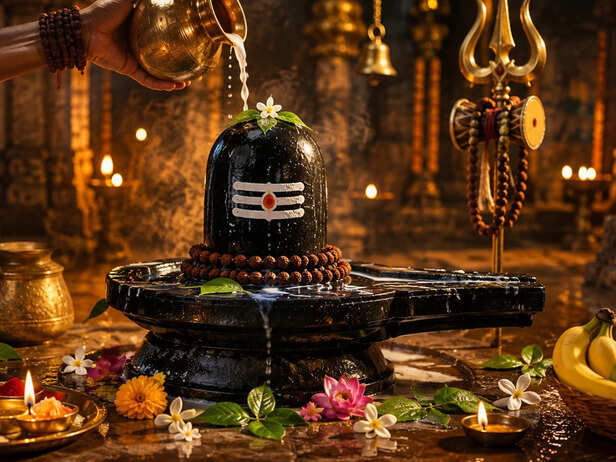
Have you ever noticed that not every Shivling looks the same? Some are smooth and naturally shaped, some are made from stone, some have a crystal-like appearance, and others are made from metal. But is the difference only about how they look? The answer is more interesting than you may think. Different forms of Shivling are used in Hindu worship, and each has its own traditional background. From the sacred Narmadeshwar Shivling to crystal, stone and metal forms, these Shivlings have become part of temple and home worship across India. But before choosing one for your home temple, there are a few important things you should know.
Narmadeshwar Shivling
The Narmadeshwar Shivling is traditionally associated with the Narmada River. These naturally formed stones are usually smooth and rounded because of the movement of river water over time. Many devotees consider them especially sacred and worship them in homes and temples. Unlike a Shivling carved into a particular shape, the natural form of a Narmadeshwar Shivling is part of its appeal. Devotees often see it as a beautiful example of nature becoming part of worship. However, home worship practices can differ by family and tradition, so it is wise to follow the guidance of your own spiritual tradition.
Stone Shivling
The stone Shivling, often made from naturally sourced or carved stone, is one of the most familiar forms of Shiva worship. You can see stone Shivlings in many temples as well as smaller versions in home temples. Their simple shape represents the traditional form of the Shivling and is often used for daily puja. Many devotees offer water, milk, flowers and bilva leaves according to their customs. The size used at home is generally much smaller than large temple installations. What matters most is not simply the material, but the devotion and proper worship associated with it.
Sphatik Shivling
The Sphatik Shivling has a very different appearance because of its clear or translucent crystal-like form. Sphatik is commonly understood as quartz or crystal, and such Shivlings are found in many Hindu religious settings. In traditional Shaiva practice, crystal is often associated with purity and spiritual focus. This is why some devotees prefer a Sphatik Shivling for their home temple. However, claims about specific supernatural effects should be understood as matters of faith rather than scientific fact. For devotees, its main value lies in worship, meditation and the sacred connection they feel with Lord Shiva.
Parad Shivling
The Parad Shivling is traditionally associated with parad, the Sanskrit term commonly translated as mercury, and with Rasashastra, an Indian alchemical tradition. Some religious texts and later traditions describe special methods for processing mercury. Devotees may worship Parad Shivlings in homes and temples, depending on their tradition. But there is an important modern safety point: mercury itself is toxic, and the claim that a traditional purification process automatically makes a mercury-containing object safe should not be assumed. Anyone considering one should seek reliable information about its actual composition and avoid direct handling of mercury or unsafe materials.
Panchaloha Shivling
The Panchaloha Shivling is made using a traditional combination of five metals. The exact metals can vary according to regional and crafting traditions. Metal Shivlings are especially familiar in many South Indian homes and temples. Other metal forms may also be made from materials such as copper, brass or silver. Their strong and lasting construction makes them suitable for regular worship. The spiritual meaning comes from the religious tradition surrounding the Shivling rather than simply from the metal itself. Devotees can choose a form according to their family customs, temple guidance and personal connection with Lord Shiva.
Which Shivling Should You Keep?
This is where many people become confused. There is no need to believe that one type is automatically the “best” Shivling for every home. Narmadeshwar, stone, Sphatik and metal Shivlings are all worshipped in different traditions. The right choice depends on your family practice, the guidance you follow and how you intend to perform daily puja. If you are unsure, ask a knowledgeable priest or follow the tradition already practised in your family. Most importantly, do not choose a Shivling only because someone promises special results. Devotion should come before fear or superstition.
The Real Meaning of Shivling Worship
At the heart of every form of Shivling worship is devotion to Lord Shiva. The material may change, the shape may vary and the customs may be different, but the purpose remains spiritual. A devotee may offer water, bilva leaves, flowers or prayers according to their tradition. The most important thing is to worship with understanding rather than fear. Before bringing any Shivling home, learn how your tradition recommends caring for it. And remember, a sacred object is not valuable only because of what it is made from. Its deepest meaning comes from the faith with which it is worshipped.
Unlock insightful tips and inspiration on personal growth, productivity, and well-being. Stay motivated and updated with the latest at My Life XP.