
7 Secrets of the Peepal Tree During Pitru Paksha
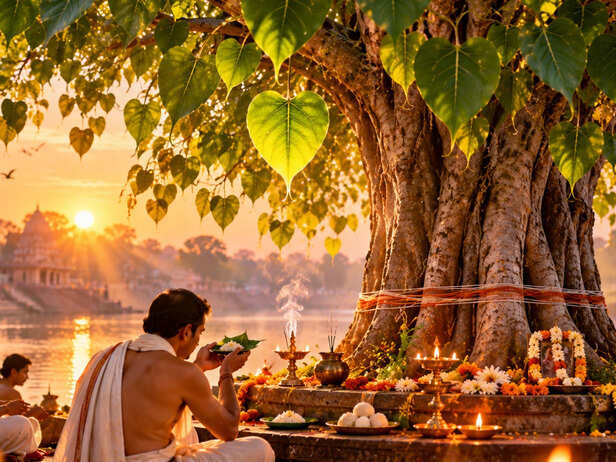
During Pitru Paksha, many Hindu families turn their attention toward their ancestors through prayers, Shraddha, Tarpan and acts of remembrance. Among the many traditional practices associated with this period, the Peepal tree ritual holds a special place in popular devotional belief.
One traditional practice involves writing “Shri Ram” on 21 Peepal leaves, preparing them as an offering for Hanuman Ji and remembering one's ancestors while praying near the sacred tree. But there is a deeper meaning behind these practices than simply asking for wishes to come true.
Why Peepal Matters in Pitru Paksha
The Peepal tree has a respected place in Hindu religious traditions, and it is especially associated with several forms of worship and remembrance. During Pitru Paksha, families perform rituals dedicated to their ancestors, with the broader purpose of expressing gratitude and seeking peace for departed family members. Traditional beliefs about the Peepal tree can vary between communities, so practices should be understood as matters of faith rather than scientific guarantees. The deeper idea is remembrance, devotion and respect for the generations who came before us.
The 21 Leaf Hanuman Ritual
According to the devotional practice described in many popular traditions, devotees take 21 Peepal leaves during Pitru Paksha and write “Shri Ram” on each one. The leaves may then be arranged like a garland and offered to Hanuman Ji with prayer and devotion. The number 21 and the chanting of Lord Ram's name give the practice a symbolic structure. Rather than treating it as a guaranteed remedy, devotees can see the ritual as a focused act of faith, discipline and remembrance during this spiritually significant period.
Choose Tuesday or Saturday
The practice is traditionally associated with Tuesday or Saturday, days that are widely connected with Hanuman worship. Devotees who follow this custom may prepare the Peepal leaves with Shri Ram's name and offer them to Hanuman Ji with a sincere prayer. Saturday is also significant in many traditions connected with Shani Dev, which is why some devotees combine Peepal worship with prayers for peace and protection. However, different families follow different customs, so the exact procedure may vary according to regional and family traditions.
Offer Water at the Root
Another part of the traditional Peepal tree worship is offering water at its roots. On Saturday, devotees may pour water near the base of the tree, light a diya and spend a few quiet moments in prayer. Some traditions also associate lighting a lamp near a Peepal tree with remembrance of ancestors. The important point is to approach the practice respectfully and safely. A diya should never be placed where it could damage the tree or create a fire hazard.
Seven Rounds With a Prayer
After offering water and lighting the diya, devotees following this custom take seven rounds, or parikramas, around the Peepal tree. During the rounds, they may quietly remember their ancestors and repeat “Om Pitrudevaya Namah.” The practice turns the ritual into a moment of focused prayer rather than a rushed remedy. The number of rounds and the mantra can differ according to family tradition, so people should follow the custom they have been taught. The central idea remains simple: pause, remember one's ancestors and offer the prayer with sincerity.
What the Ritual Really Represents
The deeper meaning of Pitru Paksha rituals is remembrance rather than fear. Traditional Shraddha practices are meant to honour ancestors and express gratitude toward previous generations. Modern discussions around Pitru Paksha also caution against blaming every difficulty in life on Pitru Dosha or frightening people with claims about angry ancestral spirits. So, instead of viewing the Peepal ritual as a guaranteed solution to every problem, it can be understood as a devotional practice that encourages gratitude, reflection and connection with family heritage.
Keep Faith, Not Fear
If you choose to follow this Pitru Paksha remedy, focus on the spirit of the practice rather than expecting an instant miracle. Remember your ancestors, offer water respectfully, light a safe diya, chant your chosen mantra and pray sincerely. Traditional sources describe Shraddha as an act performed with devotion and proper method, while customs differ across regions and families. If formal ancestral rites are required, it is better to follow your family's established tradition or seek guidance from a knowledgeable priest instead of experimenting with unfamiliar rituals.
Unlock insightful tips and inspiration on personal growth, productivity, and well-being. Stay motivated and updated with the latest at My Life XP