
Can History Repeat Itself? Sonam Wangchuk's Bold Stand
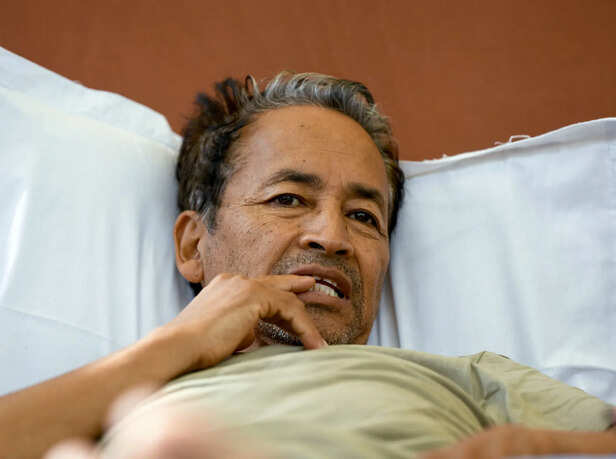
As Sonam Wangchuk's hunger strike enters its 19th day, concern over his health is growing across the country. Supporters say he has lost significant weight, while doctors continue monitoring his condition under court directions. His protest has once again brought India's long history of hunger strikes into the national spotlight. But why has this movement attracted so much attention, and could it influence public policy the way similar protests have in the past?
A Protest That Refuses to Be Ignored
Sonam Wangchuk began his indefinite hunger strike on June 28 at Delhi's Jantar Mantar. His protest demands accountability for alleged examination irregularities and reforms following the NEET-UG controversy. As the fast entered Day 19, supporters reported that he had lost nearly eight kilograms, making his health a growing concern. Despite his physical weakness, Wangchuk has continued to insist that the movement is focused on restoring trust in India's education system.
Why This Hunger Strike Began
The protest is centred on demands for greater transparency in national examinations and action against alleged irregularities. Organisers have also called for the resignation of Union Education Minister Dharmendra Pradhan. Wangchuk believes that students deserve a fair examination process that protects merit and public confidence. His hunger strike has become a symbol for many people who feel that education reforms can no longer be delayed.
The Court Steps In
As concerns over Wangchuk's condition increased, the Delhi High Court intervened. The court observed that every citizen's life is valuable and directed the government to ensure daily medical monitoring. Judges also said that all necessary medical care should be provided whenever required. The order reflects the balance between respecting a peaceful protest and protecting an individual's life during a prolonged hunger strike.
A Method That Changed History
Hunger strikes have played an important role throughout India's history. Leaders such as Mahatma Gandhi used fasting as a non-violent way to draw attention to public issues and encourage dialogue. Over the decades, several social activists have adopted the same approach to highlight causes they believed were being ignored. Wangchuk's protest has revived debate over whether peaceful fasting still has the power to influence governments in modern India.
Growing Public Support
The movement has attracted support from opposition leaders, journalists, social activists, celebrities and many ordinary citizens. Social media has further amplified the campaign, allowing updates about Wangchuk's health and demands to spread quickly. Supporters believe the protest represents more than one individual and reflects wider concerns about fairness, accountability and the future of millions of students across the country.
What Happens Next?
With Wangchuk saying he may continue despite growing weakness, the coming days could become critical. Supporters have urged him to consider ending the fast and participate in future democratic campaigns, while others believe the protest should continue until meaningful discussions begin. Much now depends on how authorities respond and whether negotiations can lead to concrete steps toward examination reforms.
Why This Story Matters Beyond One Protest
This protest is no longer only about one activist or one examination. It has become part of a larger conversation about trust in public institutions, student welfare and democratic participation. Whether or not the demands are accepted, Sonam Wangchuk's hunger strike has already reignited national debate on accountability and peaceful protest. The next chapter will depend on dialogue, public engagement and decisions made in the days ahead.
Unlock insightful tips and inspiration on personal growth, productivity, and well-being. Stay motivated and updated with the latest at My Life XP.