
Christopher Nolan's The Odyssey: The Epic Everyone Will Be Debating
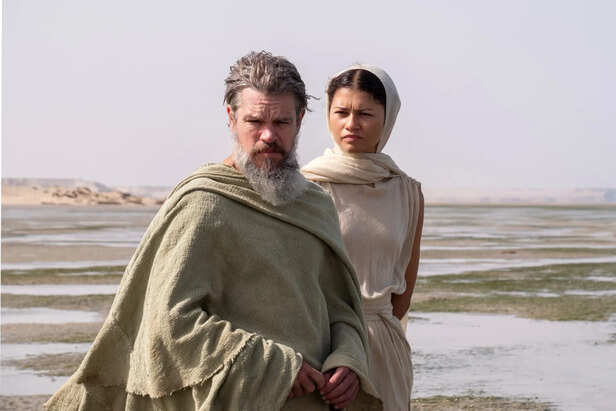
Christopher Nolan, playing with time, memory, and morality has always been a hallmark of his work and in The Odyssey, he challenges himself to take on the oldest adventure story in Western literature. The tale of Odysseus' tortured journey back from the wars of Troy written by Homer is a tough one to translate into film, having been told in every conceivable form of media for ages. However, Nolan is certainly not respectful to this classic film at all. He uses it and makes it into an extremely violent war film which focuses on issues such as guilt, post-traumatic stress, and survival. This is an extremely beautiful film which tries hard, yet fails.
What Works Odysseus
- Odysseus is a mortal, not a legend. Matt Damon brings to life an Odysseus who is weary from war and weighed down by his conscience, not an invincible hero. The real conflict does not lie with any monsters or gods, but rather with what his experiences have done to him psychologically.
- Nonlinear narrative that makes perfect sense Never has Nolan's fondness for disoriented timelines felt so fitting. Past, myth, and present-time events all blend into one, driving home the main point of the movie: the past doesn’t stay where you left it.
- This is truly an IMAX experience. A film that has substance rather than relying on digital effects. Ships crack apart, armor weighs down, and the ocean itself appears to be truly menacing all shot through the lens of great cinematography.
- A supporting ensemble that provides a solid grounding for the emotions Anne Hathaway brings to the role of Penelope, the frustration of Tom Holland playing the son who grows up in the shadow of his absent father, make it more than just an epic performance by one man.
- Instead of celebrating the victory, the movie portrays the fall of Troy as a scar on the conscience. The movie keeps questioning the possibility of any kind of redemption from the scar that one bears as a consequence of his actions.
What Falls Short in this movie
The mythologizing is very earthy.
Much of the divine strangeness and unpredictability that made Homer's world Homeric is leveled out into metaphor.
Emotional beats are far from the emotional person.
The film has some serious questions to ask regarding guilt and violence, and it's a film that doesn't always let the viewer ponder the emotion before the film can move on.
A few characters are underutilized.
The strong actors, such as Helen, Clytemnestra, Calypso and Athena are given insufficient time to develop, given the epic's massive scope.
Occasional repetition of pacing.
It can become a bit of a formulaic story in almost three hours, the rhythm of Odysseus's arrival at obstacles and his escape.
It's not the definitive one.
Purists might take offense at creative liberties, as the film emphasizes a coherent emotional journey rather than at all fidelity to Homer's work.
The Epic That Will Leave You Thinking
The Odyssey is an ambitious film, visually stunning, and Nolan's trading mythology for contemplation of trauma and guilt. Whether the trade will prove worth the cost might well hinge on what your expectations of the world’s oldest story are.
Unlock insightful tips and inspiration on personal growth, productivity, and well-being. Stay motivated and updated with the latest at My Life XP.
Frequently Asked Questions (FAQs)
1. Is there a linear narrative in the film?
That No. Nolan's narrative shifts between the Trojan War, Odysseus's return to Ithaca, and the events in Ithaca, and memory and present action are intertwined.
2. Is the Odyssey about war or about mythology?
The film is less mythological, emphasizing the more psychological aspects of the myth, as opposed to the Homeric poem's more lighthearted take on some of the elements.
3. Would you like to see it in the cinema?
Yes the main fight scenes, practical effects and cinematography are designed with the big screen in mind, making it a good IMAX or on a big screen experience.