
Dev Uthani Ekadashi 2026: Date, Time and Sacred Rituals
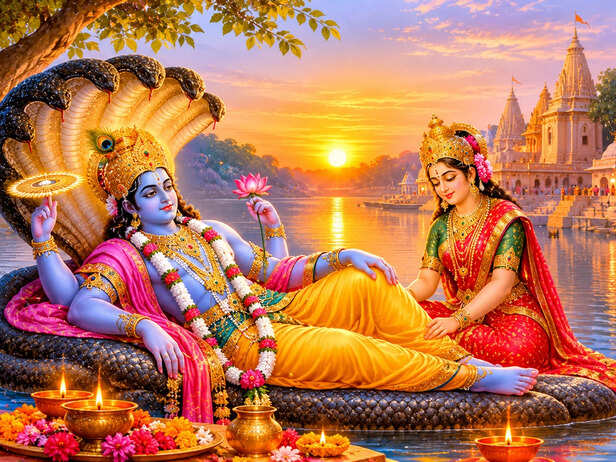
Have you ever wondered why Hindu weddings and other auspicious ceremonies traditionally begin after a four-month break? The answer lies in Dev Uthani Ekadashi, a sacred day associated with the awakening of Lord Vishnu from his cosmic sleep. Also known as Prabodhini Ekadashi and Devutthana Ekadashi, this festival marks the end of Chaturmas and the beginning of an auspicious period in the Hindu calendar. Devotees worship Lord Vishnu and Goddess Lakshmi, observe fasts and perform special rituals. In many households, sugarcane mandaps are prepared and Tulsi Vivah is celebrated with traditional wedding ceremonies.
Dev Uthani Ekadashi 2026: Date and Tithi
Dev Uthani Ekadashi falls on the eleventh day of the Shukla Paksha of Kartik month. In 2026, Smarta devotees will observe the fast on Friday, November 20, while Vaishnava and Gauna devotees will observe it on Saturday, November 21. The difference comes from traditional rules used to determine the fasting day based on the presence of Dashami and Ekadashi during the pre-dawn period. Both dates are associated with the same sacred Ekadashi tithi.
Important Dates and Timings (2026)
- OccasionDate and time
- Ekadashi Tithi beginsNovember 20, 7:15 AM
- Ekadashi Tithi endsNovember 21, 6:31 AM
- Smarta VratFriday, November 20
- Smarta ParanaNovember 21, 1:11 PM–3:18 PM
- Vaishnava VratSaturday, November 21
- Vaishnava ParanaNovember 22, 6:49 AM–8:56 AM
Why Does Lord Vishnu Wake Up on This Day?
According to Hindu beliefs, Lord Vishnu enters Yoga Nidra, a divine state of cosmic rest, on Devshayani Ekadashi in the month of Ashadha. He remains in this state for four months, known as Chaturmas, and awakens on Dev Uthani Ekadashi. During this period, many communities traditionally avoid weddings and certain auspicious ceremonies. His awakening is celebrated as the return of auspicious activities and a fresh beginning for devotees. This is why the day is also called Prabodhini Ekadashi, meaning the awakening of the divine.
Why Is Tulsi Vivah Celebrated?
One of the most loved traditions associated with Dev Uthani Ekadashi is Tulsi Vivah, the symbolic marriage of Goddess Tulsi with Lord Vishnu in the form of Shaligram. According to Hindu tradition, Tulsi is associated with Goddess Vrinda and is considered especially dear to Lord Vishnu. Devotees decorate the Tulsi plant with flowers, colourful cloth and ornaments, while Shaligram is dressed as the groom. Wedding rituals are performed with mantras, offerings and prayers. In many regions, Tulsi Vivah is celebrated on Ekadashi, while some families perform it on Dwadashi or another prescribed day.
Why Do People Build Sugarcane Mandaps?
Sugarcane mandaps are a special part of Dev Uthani Ekadashi celebrations in several Indian regions. Devotees use sugarcane stalks to create a small decorated canopy around the place of worship or Tulsi plant. Seasonal fruits, sweets and traditional food offerings are placed before the deities. In some households, dishes such as chane ki bhaji and singhara are also prepared. Sugarcane is a familiar seasonal offering in these celebrations, and the mandap provides a traditional setting for worship and Tulsi Vivah.
Geru Designs and Traditional Home Decorations
Another beautiful tradition is decorating the house to welcome Lord Vishnu. In many households, devotees clean their courtyards and draw traditional designs using geru, a natural red earth colour, and rice paste. Some families make small footprints symbolising the arrival of Lord Vishnu. Lamps, flowers and rangoli designs are also used to decorate the prayer area. These preparations create a festive atmosphere and express devotion towards the deity. Families gather for prayers, bhajans and evening worship to celebrate the occasion together.
Dev Uthani Ekadashi Vrat and Puja Vidhi
Devotees begin the day with an early bath and take a sankalp to observe the Ekadashi fast. They worship Lord Vishnu and Goddess Lakshmi with flowers, Tulsi leaves, fruits, incense and lamps. Some devotees observe a strict waterless fast, while others consume fruits, milk and permitted vrat food according to their health and family traditions. Reading the Vishnu Sahasranama, chanting the names of Lord Vishnu and listening to the Ekadashi Vrat Katha are also common practices. The fast is completed through Parana on the prescribed Dwadashi timing.
Why Is Dev Uthani Ekadashi Considered So Auspicious?
Dev Uthani Ekadashi is more than a fasting occasion. It marks the end of Chaturmas, the awakening of Lord Vishnu and the beginning of a traditionally auspicious period for marriages and religious ceremonies. Tulsi Vivah adds another layer of devotion, celebrating the sacred bond between Goddess Tulsi and Lord Vishnu. For devotees, the festival is a reminder that faith, patience and prayer are important parts of life. Celebrated with fasting, lamps, sugarcane decorations and family traditions, Dev Uthani Ekadashi welcomes a new phase of spiritual and religious celebrations.
Unlock insightful tips and inspiration on personal growth, productivity, and well-being. Stay motivated and updated with the latest at My Life XP.