
The Rise of Quiet Luxury: Why Minimalism is the New Status Symbol
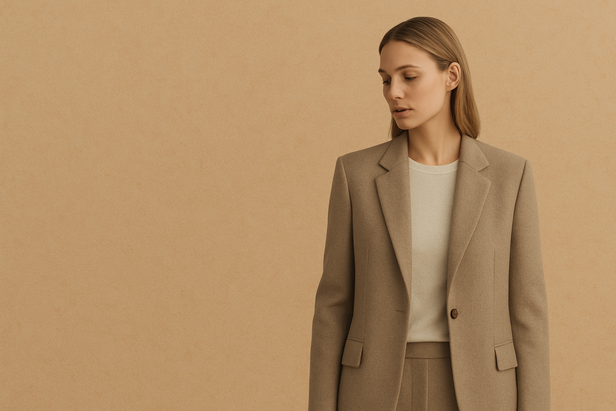
In a world where flashy logos, ostentatious displays of wealth, and bold fashion statements once defined status, a quieter trend is taking center stage: quiet luxury. The movement doesn’t scream affluence through oversized designer bags or glitzy jewelry. Instead, it whispers refinement through subtlety, restraint, and timeless elegance. From capsule wardrobes to understated interiors, minimalism is now redefining what it means to live luxuriously and why the world’s elite are embracing it.
From Loud to Subtle: A Shift in Luxury Culture
For decades, wealth and prestige were linked to how visibly one could display them. Think of the 2000s obsession with monogrammed Louis Vuitton bags, chunky gold chains, or cars designed to turn heads. Luxury was about visibility, proof of financial power.
But over the past few years, a shift has taken place. Many of the world’s wealthiest individuals no longer need validation through logos. Their confidence lies in knowing that the cashmere sweater, the impeccably cut blazer, or the minimalist watch they wear is of superior quality, even if no one else can recognize the brand. This discretion has given rise to a phenomenon that the fashion and design industry now calls “quiet luxury.”
What Exactly is Quiet Luxury?
Quiet luxury isn’t about stripping away beauty, it’s about focusing on craftsmanship, quality, and timeless design over flamboyance. The idea is simple: true luxury doesn’t need to announce itself.
A quiet luxury wardrobe might consist of neutral-toned clothing made from high-quality fabrics like silk, wool, or organic cotton. A quiet luxury home might feature clean architectural lines, natural light, and furniture designed with precision rather than extravagance. In essence, it’s about investing in fewer things, but choosing those things with care and longevity in mind.
As trend forecaster Lidewij Edelkoort once remarked, “Luxury is not about price, it’s about the time it takes to make something.” That philosophy aligns perfectly with this movement make something.” That philosophy aligns perfectly with this movement.
The Psychology Driving the Trend
Why are individuals shifting away from noisy branding? The solution resides in psychology and societal transformation.
- Impact of Recession: Economic declines frequently affect fashion and lifestyle trends. Following the 2008 crisis, overt consumption was seen as insensitive. Likewise, in the post-pandemic era, showcasing wealth seems passé, whereas discretion implies security and refined style.
- The Influence of Exclusivity: When a logoed handbag becomes available to everyone, it diminishes in exclusivity. Subtle luxury reinstates that feeling of exclusivity, only the informed can identify the understated signs of genuine prosperity.
- Sustainable Practices & Conscious Living: The younger generations, notably Millennials and Gen Z, are increasingly aware of environmental issues and consumer habits. Quiet luxury aligns perfectly with their wish for sustainable fashion, reduced consumption, and long-lasting pieces.
- Confidence Factor: An implicit reality exists: the richest no longer have to demonstrate their position. Dressing in a flawlessly fitted white shirt, they convey a self-assurance that needs no outside approval.
The Significance of Fashion in Subtle Luxury
Style is at the center of this cultural transformation. High-end labels such as The Row, Loro Piana, Bottega Veneta, and Brunello Cucinelli flourish with this understated style. Their collections seldom showcase striking logos. They depend on artistry, material, and aesthetics as the indicators of luxury.
The trend also accounts for the rise of capsule wardrobes, thoughtfully selected items that can be combined infinitely while remaining timeless. This isn't about pursuing fleeting trends but cultivating an enduring sense of sophistication.
The movement has also been expedited by celebrity culture. Celebrities such as Gwyneth Paltrow, Zoë Kravitz, and tech moguls like Jeff Bezos and Mark Zuckerberg represent the principle of understated luxury through their choice of elegant, logo-less attire. Paltrow’s presence in court wearing simple cashmere outfits, for instance, ignited worldwide conversations about contemporary expressions of wealth in fashion
Interiors and Lifestyle: Minimalism Beyond Trends
Subtle elegance transcends fashion, influencing lifestyle and interior design. Residences designed this way showcase soft color schemes, handcrafted furniture, and areas that exude tranquility instead of disorder. Minimalism inspired by Scandinavia has turned into a worldwide goal, not due to its affordability, but because it represents sophistication.
In wellness as well, quiet luxury is becoming prominent. Consider spa getaways that highlight tranquility and awareness rather than opulence, or travel adventures that focus on seclusion and closeness instead of busy tourist attractions. In this way, the trend goes beyond aesthetics, it relates to how individuals aspire to feel.
Critiques of Subtle Opulence
As with any cultural trend, quiet luxury faces its detractors. Certain people contend that it remains a type of elitism, merely cloaked in more refined attire. A $3,000 cashmere coat without a logo remains unaffordable for many, even if it doesn’t blatantly display luxury. Critics argue that quiet luxury merely conceals class divisions instead of closing them.
Some argue it may potentially be exclusionary. Lacking distinctive logos, only those “in the know” who appreciate quality and craftsmanship can identify these luxury indicators, turning it into more of a privileged coded language rather than a fashion democratization.
Reasons Minimalism Appeals Today
In spite of criticism, the movement keeps gaining traction as it aligns with wider cultural values. In a society overwhelmed by rapid fashion, constant consumption, and digital clutter, minimalism appears as a refreshing change. It implies taking a step back, making thoughtful selections, and prioritizing experiences and skillful creation over material items.
The emergence of quiet luxury goes beyond fashion; it embodies a profound human desire for authenticity, nuance, and significance. Luxury is not defined by how much it blares, but by how subtly it lasts
A Different Type of Status Marker
In the end, discreet luxury represents a new interpretation of achievement. It’s not about the quantity one can purchase, but rather the selectiveness of one’s decisions. The modern status symbol isn't a gaudy acquisition but the capacity to acquire items that outlast time, fads, and distractions.
As the world changes, maybe this is true luxury: the ability to live simply, beautifully, and with purpose, without having to show it off to others
Unlock insightful tips and inspiration on personal growth, productivity, and well-being. Stay motivated and updated with the latest at My Life XP.
Frequently Asked Questions (FAQs):
- How is quiet luxury different from traditional luxury?
Traditional luxury shows wealth through logos, while quiet luxury emphasizes craftsmanship and restraint. - Which brands represent quiet luxury?
The Row, Loro Piana, Brunello Cucinelli, Bottega Veneta. - Why is quiet luxury popular now?
It reflects values of sustainability, subtlety, and exclusivity in a post-pandemic world.