
Sharad Purnima 2026: Why Do People Leave Kheer Under the Moon on October 25?
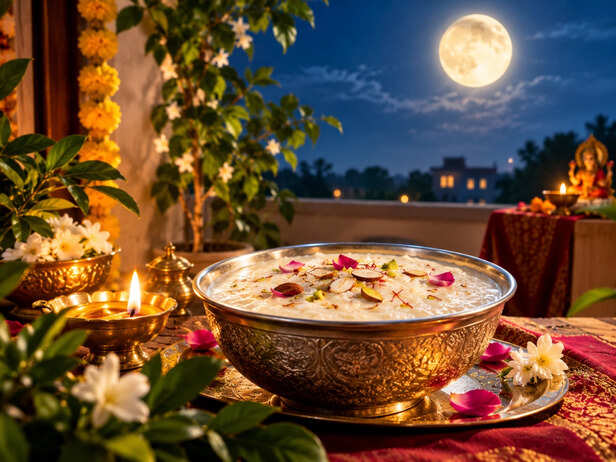
Imagine a bowl of freshly prepared kheer placed in an open courtyard, with the full moon shining brightly overhead. For many Indian families, this is more than a festive tradition. It is a ritual connected to faith, devotion, and the hope for good health and prosperity.Sharad Purnima is considered an auspicious full-moon night in Hindu tradition. On this occasion, some families prepare rice kheer and leave it under the open sky for a period before consuming it as prasad.
But why kheer? And what is believed to happen when it is exposed to moonlight?
The answers lie in traditional beliefs about the Moon, its association with nourishment, and the spiritual significance of this special night.
What Makes Sharad Purnima's Moon So Special?
Sharad Purnima falls on the full moon during the Hindu lunar month of Ashwin, although the exact Gregorian date changes every year.
The festival marks the arrival of the pleasant autumn season in many parts of India. The sky is often clear around this time, making the full moon especially noticeable.In Hindu traditions, the Moon, known as Chandra Dev, is associated with coolness, calmness, beauty, and nourishment. Its gentle light is often used as a symbol of peace and emotional balance.
Sharad Purnima is also associated with religious stories involving Lord Krishna and the Raas Leela, particularly in the Braj region. Some traditions regard this night as especially auspicious because of its association with divine love and spiritual bliss.These beliefs help explain why moonlight holds such an important place in the festival's rituals.
Why Do People Leave Kheer Under the Moon?
The practice of placing kheer under the moon is one of the best-known traditions associated with Sharad Purnima. It is followed in several Indian households, although customs vary by region and family.
Here are some of the beliefs behind it.
1. Moonlight Is Traditionally Associated With Nourishment
In Hindu religious belief, the Moon is connected with nourishment and the well-being of living beings. Its cool rays are sometimes described in devotional traditions as soothing and life-supporting.Leaving kheer under the moon is therefore seen by some devotees as a way of connecting the food with the auspicious qualities associated with the full moon.This is a spiritual belief rather than a scientifically established effect of moonlight on food.
2. Kheer Is Offered as a Sacred Food
Kheer, usually prepared with rice, milk, and sugar, has an important place in many Hindu festivals and religious offerings.Milk is traditionally associated with purity, while rice represents nourishment and abundance. Together, these ingredients make kheer a popular offering during pujas and family celebrations.On Sharad Purnima, some families place the prepared kheer under the moon as part of their observance. It may then be offered to a deity and shared among family members as prasad.The act reflects gratitude for food, a wish for well-being, and the belief that everyday nourishment can also become an expression of devotion.
3. The Ritual Symbolises Peace and Prosperity
The full moon is often associated with completeness and abundance in Hindu symbolism. Sharad Purnima is also linked to prayers for prosperity and blessings.For some families, leaving kheer under the moon represents a hope that their household will receive peace, good fortune, and well-being.The ritual is not performed in exactly the same way everywhere. Some families focus on the food offering, while others observe prayers, sing devotional songs, or stay awake for part of the night.
Does Moonlight Really Change the Kheer?
This is where the traditional belief meets a practical question.Some people believe that the moonlight on Sharad Purnima gives kheer special qualities. Traditional accounts sometimes describe the moon's rays on this night as particularly beneficial.However, there is no reliable scientific evidence that moonlight on Sharad Purnima transforms kheer into a food with special healing properties.Moonlight is reflected sunlight and is much less intense than direct sunlight. Leaving food beneath it does not establish that the food gains additional nutritional or medicinal benefits.That does not mean the ritual has no value. Its significance for devotees comes from faith, family customs, and the meaning attached to the occasion.
One practical point matters, too: kheer contains milk and can spoil if left at room temperature for too long. If you want to observe the tradition, keep the food covered and protect it from insects, dust, and animals. Avoid leaving it outside for hours, especially in warm weather. You can place a small covered portion outside briefly for the ritual and refrigerate the remaining kheer promptly.
Why Do Some People Stay Awake on Sharad Purnima?
The ritual of moonlit kheer is sometimes connected with another observance: staying awake during the night.In certain traditions, Sharad Purnima is known as Kojagara Purnima. The name is associated with the question, “Who is awake?” Some devotees observe Kojagara Puja and pray to Goddess Lakshmi for prosperity and good fortune.
Staying awake, offering prayers, and participating in devotional activities are ways some families mark the occasion.The exact practices differ across India. In some regions, the focus is on Goddess Lakshmi, while in others, the night is closely associated with Lord Krishna and his divine Raas Leela.These different customs show how one full-moon festival can carry several layers of religious and cultural meaning.
How Is Sharad Purnima Celebrated at Home?
You do not need an elaborate arrangement to observe Sharad Purnima. Families that follow the tradition may celebrate it through simple rituals.
- Prepare kheer: Cook rice with milk and add sugar or other ingredients according to your family recipe.
- Offer prayers: Worship according to your household's customs and traditions.
- Place the kheer under the moon: If this is part of your family's practice, keep the bowl covered with a clean, food-safe cover.
- Share the prasad: Offer the kheer to family members after the ritual, following your customary observance.
- Spend time together: Some families sing devotional songs, listen to religious stories, or stay awake for part of the night.
The purpose is not to follow a single rigid formula. It is to observe the festival in a way that reflects your family's beliefs and keeps the tradition meaningful.
The Meaning Behind a Bowl of Moonlit Kheer
Sharad Purnima's kheer ritual brings together food, faith, and the beauty of a full-moon night. What may look like a simple bowl of milk and rice carries a deeper meaning for those who observe it.The tradition reflects gratitude for nourishment, reverence for the natural world, and hope for peace and prosperity. It also offers families a chance to gather, share a familiar dish, and pass down customs from one generation to the next.
Whether you observe the ritual as a religious offering or simply appreciate its cultural significance, its appeal lies in the meaning people give it.
Perhaps that is what makes moonlit kheer so special. It is not just about leaving a bowl beneath the full moon. It is about bringing faith, family, and gratitude together on a night that generations have considered sacred.
Unlock insightful tips and inspiration on personal growth, productivity, and well-being. Stay motivated and updated with the latest at My Life XP.