
Should You Burn Agarbatti in Your Home Temple? Know Why
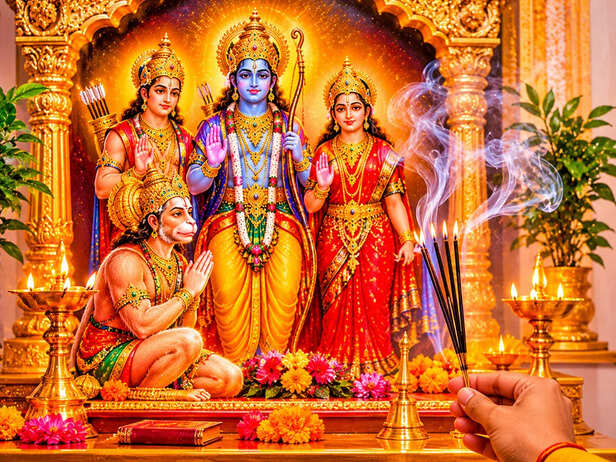
Do you light an incense stick every morning and evening in your home temple without thinking twice? This familiar ritual has a lesser-known side that often sparks debate among Hindu devotees. Some traditions prefer traditional dhoop and ghee lamps over bamboo-based agarbattis, while popular beliefs associate burning bamboo with inauspiciousness. But is lighting an agarbatti really wrong during puja, or has a traditional belief been mixed with claims that need closer examination? Understanding the difference between religious customs, everyday worship practices and the health effects of incense smoke can help you make a more informed choice.
Why Bamboo Has a Religious Connection
Bamboo has a special place in Indian culture and is used in several religious ceremonies, including weddings and funerals. In some Hindu communities, there is a traditional belief that bamboo should not be burned because it represents family lineage and continuity. This belief is also connected with certain funeral customs, where bamboo is used to carry the deceased. However, customs differ across regions and communities. The belief that burning bamboo during everyday worship automatically brings misfortune is not a universal Hindu rule.
Is Burning Agarbatti Against Hindu Scriptures?
Many devotees prefer dhoop during worship because traditional puja practices include offering fragrant substances to deities. Dhoop, incense and lamps are all used in different Hindu rituals. Some people avoid bamboo-based agarbattis because of their personal or family traditions. However, it would be inaccurate to claim that every Vedic or Hindu scripture explicitly prohibits agarbatti. Modern incense sticks are made in different ways, and their religious acceptance varies according to regional customs, temple practices and individual beliefs.
What Happens When You Burn Bamboo?
One reason people question the use of agarbatti is the smoke produced during burning. Incense sticks can release fine particulate matter and other airborne compounds, which may affect indoor air quality. However, bamboo itself does not automatically release lead or heavy metals simply because it burns. Such contamination depends on the materials used in manufacturing. The amount of smoke also depends on the product and ventilation. Therefore, it is better to examine the ingredients and avoid excessive smoke rather than assume every bamboo-based incense stick is poisonous.
Why Traditional Dhoop Is Preferred
Traditional dhoop is often prepared using ingredients such as guggul, resins, herbs and other fragrant materials. Some varieties are also made using cow dung. Devotees prefer these preparations because they are associated with older forms of worship and traditional offerings. Unlike many common incense sticks, some dhoop products do not contain a bamboo core. However, natural ingredients do not automatically make the smoke harmless or prove that it can cure diseases. Choosing a good-quality product and using it in moderation is important.
Should You Light a Ghee Diya Instead?
Lighting a diya is one of the most familiar parts of Hindu puja. A lamp filled with ghee is traditionally associated with purity, devotion and divine light. Many families light it during morning and evening prayers, sometimes alongside dhoop or other offerings. If you prefer to avoid incense smoke, a ghee diya can be a simple alternative for your daily worship. Make sure to place it on a stable surface, away from curtains and other flammable materials.
What Is the Right Way to Use Incense During Puja?
You do not need to burn large quantities of incense to make your prayers meaningful. If you choose to use agarbatti, check its ingredients and buy products from reliable manufacturers. Keep windows open or ensure proper ventilation while burning incense. You can also choose traditional dhoop or simply light a diya according to your family's customs. People with asthma or respiratory sensitivities should be especially careful around smoke. Remember, devotion is expressed through faith, prayer and good intentions, not through the amount of incense burned.
Unlock insightful tips and inspiration on personal growth, productivity, and well-being. Stay motivated and updated with the latest at My Life XP.