
What Keeping a Vrat Actually Means Inside a Home
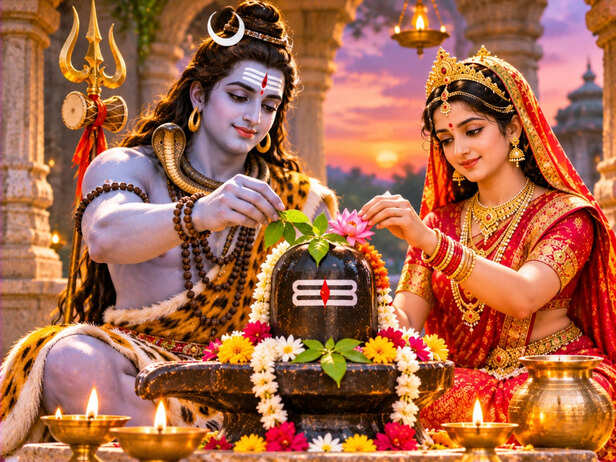
A vrat arrives in a household before it arrives in a body. The night before, something shifts, a quieter kitchen, a different set of vessels brought out, a conversation about what the children will eat since the adults will not. The fast has not begun yet, but the household has already reorganised itself around it.
What a Vrat Is Understood to Be
The word vrat comes from the Sanskrit root meaning a vow or a resolve. In popular tradition, it is not simply an act of not eating. It is a period of conscious restraint held in devotion to a deity, a day, or a purpose, a son's safe return, a husband's health, gratitude for something received. The food restriction is the most visible part, but the tradition holds that the vrat lives in intention first. A person who skips food because they are unwell has not kept a vrat. A person who skips food while holding the resolve has.
The Rules That Vary by Region and Deity
What counts as permitted food during a vrat differs more than most people expect, and the differences are not arbitrary. They follow the logic of the deity being honoured and the regional tradition a family carries. In many North Indian households, a Solah Somvar or Navratri vrat permits sendha namak, rock salt, but not table salt, because rock salt is understood as closer to its natural state. Sabudana, water chestnut flour, and certain root vegetables appear on vrat thalis across the country, while onion and garlic are set aside in almost all traditions. In some southern households, the same fast permits rice that a northern household would exclude. Neither is wrong. Each follows the thread of the tradition it belongs to.
What the Tradition Considers Breaking It
In popular tradition, a vrat is understood to break through action, speech, or intention, not food alone. Eating a grain or a food the vrat excludes is the most obvious break. But older household traditions hold that anger expressed during the fast, harsh words spoken, a lie told, or harm done to another person also breaks the resolve the vrat was built on. Some traditions add that physical intimacy, sleeping during the day, or handling certain things, leather, alcohol, a body in mourning, interrupts the vrat's continuity. These are not universal rules. They are the shape a particular tradition has taken in a particular place, passed through the women of a household more often than through any written text.
Accidental Breaking and What Follows
A child offers a biscuit and the person keeping the vrat takes a bite before remembering. A cook tastes the food out of habit. These moments sit in almost every family's memory of keeping fasts. Popular tradition in most households holds that an accidental break is different from a deliberate one. What follows varies: some traditions hold that the vrat may be completed from that point with renewed intention, some that it must be observed again on the next available day, some that a small additional offering resolves it. The family elder is usually the one who knows which applies, and the answer is often gentler than the person who broke it expects.
The Household That Keeps It Together
When one person in a household keeps a vrat, the household often keeps it in smaller ways alongside them. The kitchen shifts. Oil that is usually used is set aside. A meal is cooked separately. Children are told not to bring certain things to the table. This is not obligation, it is the quiet accommodation a household makes when one of its members has taken on something. In joint families, this accommodation can extend across several people and several kitchens, and the logistics of it are their own kind of devotion.
Why the Same Vrat Looks Different in Every Home
There is no single authoritative text that governs how a Karva Chauth or a Jitiya or a Pradosh vrat must be kept in a domestic setting. The Puranas and the Dharmashastra texts lay out principles; the household tradition fills in the rest. A grandmother who kept a fast for forty years and a daughter-in-law who learned it from her will have slightly different rules for the same vrat, and both will be keeping it sincerely. What holds across all of them is the structure: a resolve made, a day held differently, an offering at the close. The specific rules are the clothing the tradition wears in a particular family. The resolve underneath is what the tradition calls the vrat itself.
Unlock insightful tips and inspiration on personal growth, productivity, and well-being. Stay motivated and updated with the latest at My Life XP.