
Why Trading Families Open a New Ledger With a Swastika at Diwali
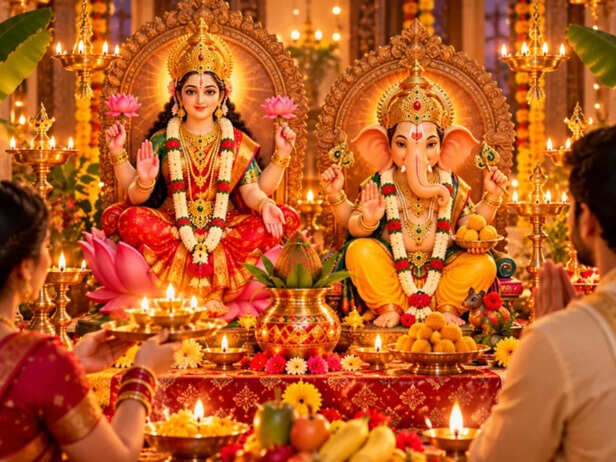
In Marwari, Gujarati, and many other trading communities across India, the new financial year does not begin on the first of April. It begins on the moonless night of Diwali, when the old bahi-khata is closed and a fresh one is opened with ceremony. The swastika drawn on its first page is the oldest part of the ritual, and the one most people perform without knowing precisely why.
What the Swastika Means in This Context
The word swastika comes from the Sanskrit su, meaning good or auspicious, and asti, meaning to be or to exist. The full compound, swasti, is an old blessing, roughly, may all be well. The symbol itself, four arms turning from a central point, appears in the Indus Valley archaeological record and in Vedic texts as a mark of good fortune and stability. In Hindu devotional thought, it is associated with Ganesha, the remover of obstacles, and with Lakshmi, the goddess of wealth and abundance. Drawing it at the head of a new ledger is an act of inviting both: clear the path, then let prosperity enter.
The Night It Happens: Diwali and Chopda Pujan
The ritual has a name, Chopda Pujan, from chopda, meaning account books or registers. It falls on Diwali's main night, specifically during the Lakshmi Pujan that merchant families perform after sunset. The old ledgers, the bahi-khatas of the closing year, are placed before the goddess first. They represent the year that has passed, the accounts settled and unsettled, the debts and the credit. Then the new books are brought forward. The swastika is drawn on the cover or the first page, often in red kumkum or saffron, sometimes in turmeric. A few grains of rice and a flower are placed beside it. The book is then touched to the deity's image or to the lamp flame, and the first entry, often a symbolic figure, or simply the date, is made by hand.
Why the Ledger Itself Is Worshipped
In the merchant tradition, the account book is not a neutral object. It is the record of a family's word, every transaction a form of trust extended or received. Worshipping it on Diwali night is an acknowledgment that commerce is not separate from dharma but is one expression of it. The bahi-khata kept honestly, the debt recorded accurately, the credit given fairly, these are understood as acts of right conduct, not merely good business. Placing the book before Lakshmi is a way of asking that the year's accounts be kept in that spirit.
Where This Tradition Is Strongest
Chopda Pujan is most elaborate among Marwari families, who carried the practice across India as they established trading networks from Rajasthan through Bengal, Assam, and beyond. Gujarati Jain and Vaishnav merchant communities observe it with equal care. In both traditions, the ritual is a family event, the senior member of the household draws the swastika, younger members are present, and the moment is treated with the same weight as any other part of the Diwali puja. In some families, the new ledger is kept sealed until the pujan is complete; writing in it before the blessing is considered inauspicious.
The Swastika Across Other Diwali Rituals
The same symbol appears at the threshold of the home during Diwali, drawn in rangoli or rice flour, for the same reason it appears in the ledger: to mark a space as prepared and welcomed for what is good. In many homes, small swastikas are drawn beside the diyas placed at the door. The repetition across contexts, doorway, puja thali, account book, reflects a coherent idea within the tradition: auspiciousness is not assumed, it is actively prepared for. The symbol is the preparation made visible.
What the First Entry Represents
The first line written in the new bahi-khata after the pujan is often a short invocation rather than a transaction. Shubh Labh, good fortune and good profit, is the most common, written in Devanagari script at the top of the page, sometimes beside or below the swastika. Shubh and Labh are also the names given to the two sons of Ganesha in popular tradition, which is why the phrase appears wherever Ganesha's blessing is sought for a new beginning. The first real transaction of the new year, whenever it occurs, is entered below this invocation. The blank space between the blessing and the first number is not emptiness, it is the gap the new year is meant to fill.
Unlock insightful tips and inspiration on personal growth, productivity, and well-being. Stay motivated and updated with the latest at My Life XP.