
What Does Rudra Really Mean? The Hidden Truth Revealed
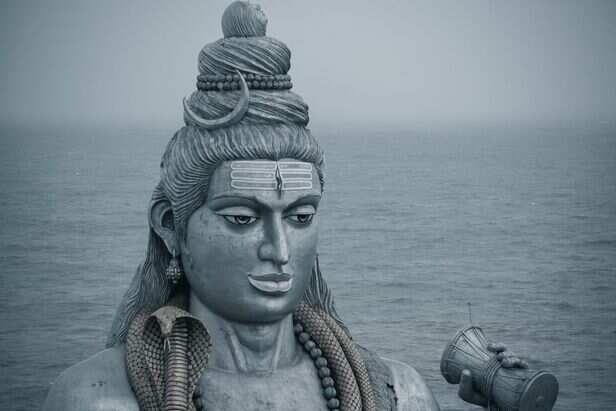
When you hear the word Rudra, what comes to your mind? A fierce form of Lord Shiva? A destroyer? Or a symbol of divine power? Most people know Rudra as Shiva's powerful form, but very few pause to ask what the word truly means. Surprisingly, Rudra is not just about destruction. It is a profound reminder that every beginning carries an ending, and every ending quietly prepares for a new beginning. Understanding Rudra is not about learning mythology alone. It is about understanding life itself.
The First Sound of Every Life
Every human life begins with a cry. That first sound announces our arrival into the world and marks the beginning of a lifelong journey. Some spiritual interpretations connect this cry with the Sanskrit root associated with weeping, symbolizing the raw expression of life itself. In this view, Rudra is not merely a deity of destruction but also a reminder that creation often begins with an intense moment of transformation. It is the sound that welcomes existence and sets life into motion.
Beyond the Image of Destruction
Many people associate Rudra only with destruction, but Hindu scriptures present a much deeper picture. Rudra removes what has completed its purpose so that something new can emerge. Just as autumn clears old leaves for fresh growth in spring, Rudra symbolizes necessary change. His energy encourages people to let go of fear, ego, and attachment. In this sense, destruction is not an ending. It becomes the first step toward renewal and spiritual evolution.
The Silence After the Storm
Life is filled with moments of noise, struggle, and uncertainty. Yet every storm eventually gives way to silence. Rudra represents both of these experiences. He is the force that shakes our world when change becomes necessary, and He is also the peace that follows when the transformation is complete. This balance teaches us that true strength is not found in chaos alone but also in the calm that comes after acceptance.
The Universe Lives Within Rudra
Ancient scriptures describe Rudra as a presence that exists in every direction, every element, and every living being. He is not limited to temples or sacred mountains. He is seen in flowing rivers, blazing fire, open skies, and the quiet rhythm of nature. This understanding reminds devotees that divinity is not distant. It is woven into every part of creation, inviting people to recognize the sacred in everyday life.
Why Transformation Feels Uncomfortable
People naturally resist change because it often brings uncertainty. Losing a job, ending a relationship, or facing failure can feel painful. The symbolism of Rudra teaches that these difficult moments are not always punishments. They may become opportunities for growth, wisdom, and self-discovery. Just as a sculptor removes stone to reveal a masterpiece, life's challenges can remove fear and reveal inner strength.
Bringing Rudra Into Daily Life
The philosophy of Rudra can be practiced through simple daily habits. Spend a few quiet minutes in meditation, chant "Om Namah Shivaya" with focus, and reflect on what no longer serves your life. Practice forgiveness, release unnecessary worries, and embrace change with courage. These actions do not merely honor Lord Shiva. They also help cultivate resilience, clarity, and emotional balance in everyday life.
The Eternal Message of Rudra
Rudra is not simply the fierce form of Lord Shiva. He is the eternal rhythm of existence itself. He is present in the first cry of birth, the courage to face life's greatest challenges, and the peaceful silence that follows every ending. His message is timeless: nothing in the universe remains unchanged, and transformation is not something to fear but something to embrace. When we understand Rudra, we begin to see that every ending quietly prepares the way for a meaningful new beginning.
Unlock insightful tips and inspiration on personal growth, productivity, and well-being. Stay motivated and updated with the latest at My Life XP.