
What Is the Right Way to Perform Katyayani Vrat at Home?
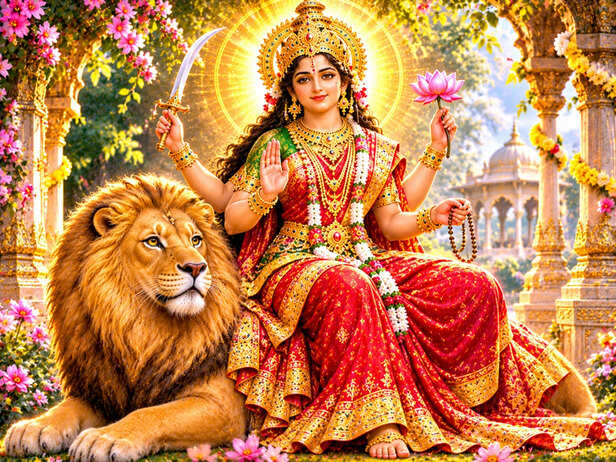
The Gopis of Vrindavan followed a special month-long vrat with one heartfelt wish: they wanted Lord Krishna as their husband. Their devotion to Maa Katyayani became one of the most remembered stories in the Shrimad Bhagavata Mahapurana. Even today, unmarried women observe Katyayani Vrat while praying for a suitable life partner. But simply fasting is not considered the whole practice. From the morning sankalp to the special mantra and daily offerings, every step has a traditional meaning. Here is how devotees can perform Katyayani Vrat at home.
When Does Katyayani Vrat Begin?
In 2026, Katyayani Vrat begins on November 25 and continues until December 23, the day of Margashirsha Purnima, according to the North Indian Purnimanta calendar. The vrat is especially observed by unmarried women seeking blessings for a suitable life partner. Devotees can also observe it as an expression of their love for Lord Krishna. The tradition comes from the Shrimad Bhagavata Mahapurana, which describes how the Gopis worshipped Maa Katyayani during the month of Margashirsha.
Begin With a Morning Sankalp
The first step is to take a sankalp, or a personal vow, before starting the vrat. After waking up, sit peacefully in front of Maa Katyayani and hold a little water in your hands. Pray with sincerity: "I take the vow to observe Maa Katyayani's vrat during the sacred month of Margashirsha." After making your prayer, release the water. The sankalp represents your commitment to follow the vrat with devotion, discipline and a sincere heart.
Take a Bath Before Sunrise
According to the Bhagavata Purana, the Gopis would wake up early and bathe in the Yamuna before sunrise. This became an important part of their daily vrat. Devotees observing Katyayani Vrat today do not need to visit a river. They can take a regular bath at home before sunrise and begin their prayers with a clean body and peaceful mind. The purpose of this practice is to maintain cleanliness and discipline throughout the observance.
Prepare Maa Katyayani's Idol or Picture
After bathing, prepare a clean place for worship. Spread a red or yellow cloth and place a picture or idol of Maa Katyayani on it. The Bhagavata Purana describes how the Gopis made the Goddess's image using sand from the Yamuna's banks. At home, devotees can use a clay idol or a picture of the Goddess. Arrange the prayer space neatly and keep the required offerings nearby before beginning the puja.
Offer Flowers, Chandan and a Diya
Offer chandan, fresh flowers, incense, a ghee diya, fruits and akshat (unbroken rice) to Maa Katyayani. These offerings form part of the traditional worship described in the Bhagavata Purana. While performing the puja, remember the Goddess and pray for her blessings. There is no need to make the ritual complicated. What matters is performing the worship with sincerity and following a consistent daily routine throughout the vrat.
Chant the Sacred Katyayani Mantra
The Katyayani mantra is the central part of this vrat. Devotees can chant it at least 11 times daily, or 108 times if they are comfortable doing so.
Katyayani Mahamaye Mahayoginyadhishwari,
Nanda Gopa Sutam Devi Patim Me Kuru Te Namah.
Its meaning is: "O Maa Katyayani, O Mahamaya, supreme Goddess and mistress of divine yogic power, please bless me with Nanda's son, Lord Krishna, as my husband. I bow to you."
This is the prayer the Gopis offered during their month-long worship, as recorded in the Bhagavata Purana, Chapter 10, Verse 4.
Follow a Sattvic Diet Throughout the Vrat
The final part of the daily routine is maintaining a simple and sattvic diet. According to the Bhagavata Purana, the Gopis ate havishyanna once a day while observing their vrat. It was a simple traditional preparation rather than a rich or heavily spiced meal. Devotees following the practice at home can choose suitable sattvic food according to their health and family tradition. Some households also follow shorter observances, such as selected Fridays or 21 days, but these are variations rather than the exact month-long practice described in the scripture.
The Devotion Behind Katyayani Vrat
The story of the Gopis teaches that Katyayani Vrat is not simply about asking for a desired life partner. It is about maintaining faith, discipline and devotion throughout the month. From the morning bath and daily puja to chanting the sacred mantra, every step is connected with their devotion to Lord Krishna. Those who observe this vrat should do so with sincere intentions and without treating it as a guarantee of marriage or a particular outcome.
Unlock insightful tips and inspiration on personal growth, productivity, and well-being. Stay motivated and updated with the latest at My Life XP.