
Which Form of Goddess Lakshmi Brings Lasting Prosperity?
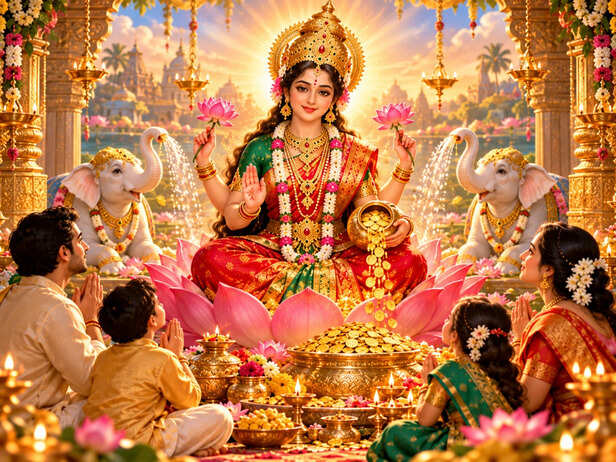
Every Diwali, families bring home idols of Goddess Lakshmi and Lord Ganesha, decorate their puja spaces and pray for happiness, wealth and success. But have you ever wondered why Goddess Lakshmi is sometimes shown with an owl and sometimes surrounded by elephants? Or why Lord Ganesha rides a tiny mouse despite his divine power? These details are more than artistic choices. They carry meaningful lessons about wealth, wisdom and self-control. One form of Lakshmi is especially associated with abundance, but the deeper message of Diwali goes beyond simply asking for more money.
The Form of Lakshmi Linked to Abundance
One of the best-known forms of Goddess Lakshmi is Gajalakshmi, depicted seated or standing on a lotus with elephants beside her. The elephants are often shown pouring water over the goddess, creating an image associated with abundance and auspiciousness. In devotional traditions, Lakshmi represents more than money: she is also associated with well-being, good fortune and prosperity. Gajalakshmi is therefore a meaningful form to explore during Diwali puja. However, no single image should be presented as a universal guarantee of permanent wealth; worship practices and interpretations can differ across traditions.
Can Lakshmi Bring Stable Prosperity?
Many devotees seek Sthira Lakshmi, a phrase associated with stable or lasting prosperity. The desire is understandable: earning money matters, but keeping a household secure matters just as much. Lakshmi is traditionally worshipped alongside Lord Vishnu, also known as Narayana, who represents the preservation of the universe. Their pairing offers a powerful devotional idea: prosperity should exist alongside balance, responsibility and order. Rather than claiming that one particular idol automatically guarantees lasting wealth, devotees can take this symbolism as a reminder to build financial security with patience, wise choices and integrity.
Why Does Goddess Lakshmi Have an Owl?
The owl is one of the most intriguing symbols associated with Goddess Lakshmi. Although it is not equally prominent in every regional depiction, it is an important part of her imagery in Bengal. Its presence has inspired different interpretations. Some devotional explanations connect the owl with sharp observation and awareness in darkness, while others treat it as a reminder that wealth should never make a person careless or blind to consequences. The message is worth remembering: money can create opportunities, but without good judgement, it can also lead to poor decisions.
What the Lotus Teaches About Wealth
The lotus is not merely a beautiful seat for Goddess Lakshmi. In Hindu symbolism, it represents the ability to remain pure even when surrounded by difficult circumstances. The flower grows in muddy water yet opens into something beautiful. This offers a simple lesson about prosperity: success should not come at the cost of honesty, kindness or personal values. A person can pursue financial growth while remaining grounded and considerate. During Diwali, the lotus invites devotees to reflect on the kind of life they want their wealth to support, not just the amount they hope to accumulate.
Why Does Ganesha Ride a Mouse?
Lord Ganesha's vehicle, the mouse known as Mushika, creates a striking contrast: a powerful deity is associated with a very small creature. In popular devotional interpretations, the mouse can represent restless desires, distractions or the tendency of the mind to move from one thing to another. Ganesha riding the mouse is therefore understood as a symbol of mastery over such impulses. This meaning fits his role as the remover of obstacles and the deity invoked before new beginnings. The image reminds us that progress requires more than ambition; it also requires discipline and the ability to direct our attention wisely.
Why Lakshmi and Ganesha Are Worshipped Together
Lakshmi and Ganesha are worshipped together in many households during Diwali because their blessings represent complementary hopes for the year ahead. Lakshmi is associated with wealth and prosperity, while Ganesha is invoked for wisdom, auspicious beginnings and the removal of obstacles. Together, their worship reflects the wish to earn well, make sound decisions and move forward without losing sight of what matters. The tradition is not a promise that rituals alone will solve every problem. Instead, it brings devotion and intention together at a time when families reflect on fresh starts, responsibilities and the future.
How to Bring the Deeper Meaning Into Diwali
This Diwali, you can honour the tradition by keeping your puja space clean, lighting diyas safely and offering prayers according to your family's customs. As you worship Lakshmi, reflect on how you can use money responsibly and create greater security. As you worship Ganesha, think about the habits or distractions you need to overcome. You can also make a practical beginning by reviewing your savings, setting a family goal or resolving to act with greater honesty. These actions do not replace devotion; they help carry its values into everyday life.
Unlock insightful tips and inspiration on personal growth, productivity, and well-being. Stay motivated and updated with the latest at My Life XP