
Why Ancient Scriptures Classified Ravana and Hiranyakashipu Differently
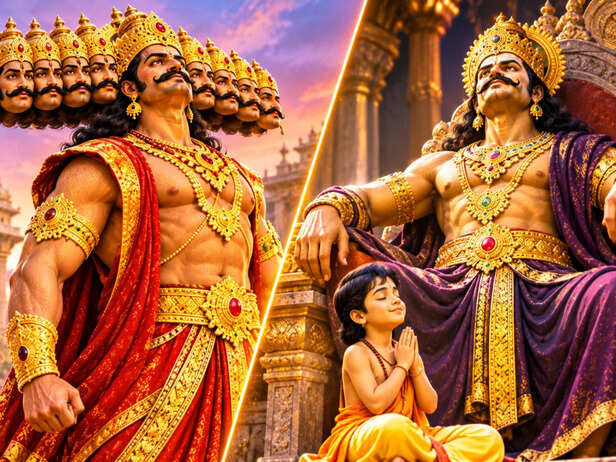
Ravana and Hiranyakashipu were both powerful enemies of the gods, but did you know that Hindu scriptures placed them in two different categories? Ravana was known as a Rakshasa, while Hiranyakashipu belonged to the Asura lineage. The difference goes much deeper than their battles with Lord Rama and Lord Vishnu. Their parents, ancestral origins and even the way ancient Vedic texts described them reveal a fascinating distinction that many people overlook. Surprisingly, the word Asura was not always associated with evil.
Their Family Background Was Completely Different
The biggest difference between Ravana and Hiranyakashipu begins with their birth. Hiranyakashipu was born to Sage Kashyapa and Diti and belonged to the Daitya lineage. Ravana, on the other hand, was the son of Sage Vishrava, who was descended from Sage Pulastya, and Kaikesi, who belonged to the Rakshasa family. This made Ravana part of the Rakshasa lineage through his mother. Their different family backgrounds explain why the scriptures describe them using different identities.
Hiranyakashipu Belonged to the Asura Clan
Hiranyakashipu was not simply described as an ordinary demon. He was a Daitya, a group descended from Diti and Sage Kashyapa. Daityas are generally included within the wider Asura category in Hindu mythology. They were known for their immense power, intense penance and repeated conflicts with the Devas. Hiranyakashipu became especially feared after receiving boons from Lord Brahma and conquering the heavens. His arrogance grew so great that he demanded everyone worship him instead of Lord Vishnu.
Ravana Came From a Rakshasa Family
Ravana's story has a different beginning. His father, Sage Vishrava, belonged to a respected line of sages, while his mother, Kaikesi, came from a Rakshasa family. Ravana inherited knowledge, intelligence and extraordinary abilities, but he also became known for his immense ambition and power. He could change his appearance, use Maya and challenge powerful warriors. His identity as a Rakshasa was connected to his maternal lineage, even though his father came from a Brahmin family.
The Meaning of Asura Was Not Always Negative
Here comes one of the most surprising details. In the Rigveda, the word Asura did not originally mean an evil or demonic being. It was also used as a title associated with divine power, authority and lordship. In Rigveda 8.25.4, Mitra and Varuna are described as both Devas and Asuras. This shows that the word had a positive meaning in early Vedic usage. Its association with enemies of the Devas became stronger in later Vedic literature and mythology.
Rakshasas Were Known for Maya and Disrupting Yajnas
The Rigveda describes Rakshasas differently from the early references to Asuras. They are often portrayed as harmful beings who threaten sacred rituals and disturb the activities of sages. Agni, the fire god, is also associated with the title Rakshohā, meaning the destroyer of Rakshasas. In later Hindu stories, Rakshasas became known for their ability to change forms, use supernatural powers and create illusions. Ravana, Maricha and other Rakshasa characters are often associated with these abilities.
Their Stories Reveal Different Kinds of Power
Both Ravana and Hiranyakashipu possessed extraordinary powers, but their stories followed different paths. Hiranyakashipu used his penance and Brahma's boon to challenge Lord Vishnu, while Ravana gained immense strength through devotion to Lord Shiva and conquered several kingdoms. Yet, both became consumed by pride and believed their power made them invincible. Their stories also carry a deeper lesson: strength, knowledge and divine blessings cannot protect someone from the consequences of arrogance.
Asuras and Rakshasas Were Not Always Completely Separate
Although Hindu mythology often distinguishes Asuras, Daityas and Rakshasas through their ancestry and characteristics, their descriptions are not always rigid across every text. Daityas are traditionally associated with Diti, while Danavas trace their ancestry to Danu. Rakshasas have their own mythological identity and lineages. Some later texts also use these labels more flexibly. Therefore, the distinction is best understood through each character's genealogy and the particular scripture describing them, rather than treating every supernatural being as belonging to one category.
Unlock insightful tips and inspiration on personal growth, productivity, and well-being. Stay motivated and updated with the latest at My Life XP.