Why Can’t the Gods Have Children of Their Own?
Noopur Kumari | Sept 29, 2026, 11:00 IST
The gods believed they were saving the world from a danger they could not control. But their desperate plan came at a devastating cost. When Parvati discovered what they had done, she became furious and pronounced a curse against the Devas. Yet the story has an unexpected twist: the same divine energy that the gods feared eventually became connected with the birth of Kartikeya, the warrior who would confront the demon Tarakasura.

Devas Seeking Help Against Tarakasura
Image credit : ChatGPT(AI)
Have you ever wondered why, in some Hindu mythological traditions, the gods are described as unable to have children through their own wives? The answer leads to a dramatic story involving Lord Shiva, Goddess Parvati, the Devas, Agni and the birth of Kartikeya. According to Puranic accounts, the gods once interfered in Shiva and Parvati’s private union for the sake of protecting the universe. What followed was not just anger, but a powerful curse that changed the destiny of the Devas.
![Devas Seeking Help Against Tarakasura]()
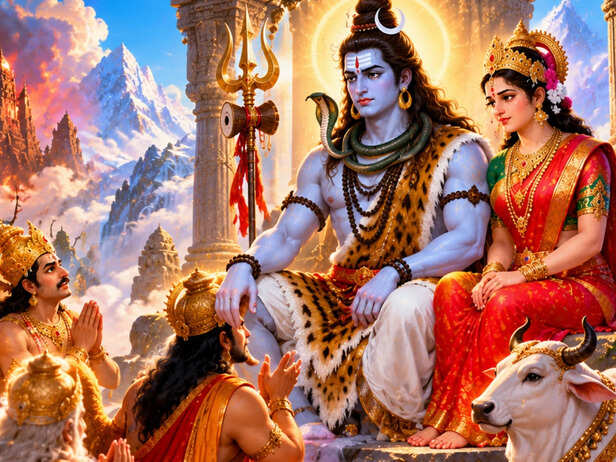
The story begins with the Devas facing the powerful demon Tarakasura. According to Puranic traditions, the gods believed that only a son connected with Shiva could become the force capable of defeating him. But Shiva and Parvati were absorbed in their private life, creating a dilemma for the Devas. Their fear eventually pushed them toward an extraordinary decision: they would interrupt Shiva and Parvati despite knowing the consequences. Their attempt to protect the celestial world would soon become the very reason they faced Parvati’s curse.
![Agni Approaches Shiva in Disguise]()
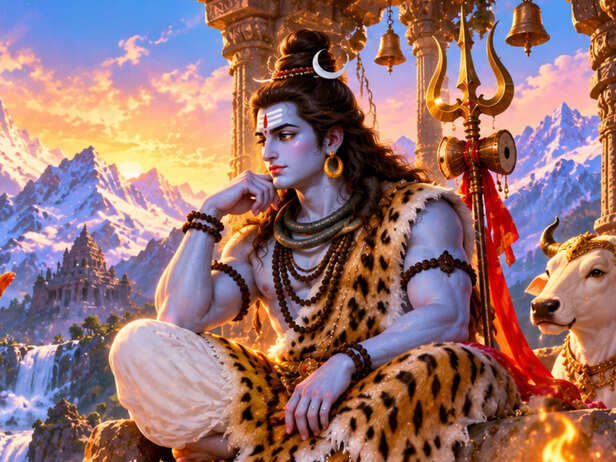
Different Puranic versions describe the interruption in different ways. In one account from the Skanda Purana, Agni secretly entered Shiva’s inner residence in the form of a pigeon. Shiva understood the reason behind the intrusion and transferred his powerful divine energy to Agni. The event was far more significant than the Devas had expected. Their plan had succeeded in interrupting Shiva and Parvati, but it also created a chain of events surrounding the divine energy that would eventually lead toward the birth of Kartikeya, also known as Skanda.
When Parvati realised that the Devas had deliberately interfered, her reaction was immediate and intense. The story portrays her anger as the response of a goddess whose desire for motherhood had been frustrated by the gods’ actions. In the Skanda Purana, she curses the Devas after discovering their interference. Another Puranic account similarly describes Parvati declaring that the wives of the gods would be unable to bear children. The exact details vary between texts, but the central theme remains the same: Parvati’s curse became linked to the childlessness of the Devas.
The curse is one of the most striking moments in this mythology. In the Shiva Purana, Parvati is described as cursing the wives of the gods to remain barren because the Devas had acted for their own interests and disrupted her union with Shiva. The story is therefore not simply about children. It also highlights the consequences of interfering in another person’s life for selfish reasons. At the same time, this is a mythological explanation found in specific Hindu texts, not a universal theological statement about why every deity in Hindu tradition has or does not have children.
The story takes another turn after Shiva’s divine energy comes into contact with Agni. In different versions, the energy is carried through Agni and eventually reaches other divine forces before becoming associated with Kartikeya’s birth. The Skanda Purana describes the energy eventually reaching Ganga and then developing into the six-faced child Skanda. The Mahabharata also preserves a tradition in which Shiva’s energy passes through Fire and leads to the birth of the powerful Kumara. This is why the story of Parvati’s curse and Kartikeya’s birth are often discussed together.
The irony of the story is impossible to miss. The Devas had interrupted Shiva and Parvati because they feared the consequences of their union, yet the divine energy involved ultimately became connected with Kartikeya, the warrior destined to fight Tarakasura. Puranic traditions describe Kartikeya as a powerful son of Shiva associated with several divine mothers, including the Krittikas. He later became known as Skanda, Kumara and Shanmukha. His story transforms what began as a desperate act by the gods into a larger tale of divine purpose, sacrifice and destiny.
The deeper message of this Hindu mythology story is not simply that the gods were punished with childlessness. It shows how fear can push even powerful beings toward decisions with unexpected consequences. Parvati’s curse represents the anger that followed when the Devas placed their own survival above her wishes. Different scriptures tell this episode differently, but the recurring themes are striking: divine power, motherhood, sacrifice, consequences and the birth of Kartikeya. The story continues to fascinate readers because what began as a desperate attempt to save the Devas ultimately became part of the legend of one of Hindu mythology’s greatest divine warriors.
Unlock insightful tips and inspiration on personal growth, productivity, and well-being. Stay motivated and updated with the latest at My Life XP
The Gods Faced a Terrifying Threat
Devas Seeking Help Against Tarakasura
Image credit : ChatGPT(AI)
The story begins with the Devas facing the powerful demon Tarakasura. According to Puranic traditions, the gods believed that only a son connected with Shiva could become the force capable of defeating him. But Shiva and Parvati were absorbed in their private life, creating a dilemma for the Devas. Their fear eventually pushed them toward an extraordinary decision: they would interrupt Shiva and Parvati despite knowing the consequences. Their attempt to protect the celestial world would soon become the very reason they faced Parvati’s curse.
Agni Entered Shiva’s Secret Chamber
Agni Approaches Shiva in Disguise
Image credit : ChatGPT(AI)
Different Puranic versions describe the interruption in different ways. In one account from the Skanda Purana, Agni secretly entered Shiva’s inner residence in the form of a pigeon. Shiva understood the reason behind the intrusion and transferred his powerful divine energy to Agni. The event was far more significant than the Devas had expected. Their plan had succeeded in interrupting Shiva and Parvati, but it also created a chain of events surrounding the divine energy that would eventually lead toward the birth of Kartikeya, also known as Skanda.
Parvati Discovered the Devas’ Plan
The Curse Changed the Fate of the Gods
But Shiva’s Divine Energy Was Not Lost
Kartikeya Became the Unexpected Answer
The Real Meaning Behind the Curse
Unlock insightful tips and inspiration on personal growth, productivity, and well-being. Stay motivated and updated with the latest at My Life XP