A small red flower can carry a powerful meaning in Hindu worship. During Durga Puja and Navratri, many devotees offer red hibiscus, also known as japa pushpa, to Maa Durga. Its bright colour makes it stand out among other flowers, but the tradition goes beyond appearance. Red hibiscus is associated with divine energy, courage and the fierce yet protective nature of the Goddess. But is there a deeper spiritual meaning behind this offering, and what should devotees know before placing it at her feet?
The Red Colour Represents Shakti
![The Red Hibiscus as a Symbol of Shakti]()
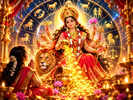
The Red Hibiscus as a Symbol of Shakti
Image credit : CHATGPT(AI)
The first reason lies in the flower's striking red colour. In Hindu devotional traditions, red is often associated with Shakti, the divine feminine power that represents creation, strength and transformation. Maa Durga embodies courage and protection, and the red hibiscus is considered a fitting offering to her powerful form. Its colour makes it a meaningful part of Durga Puja rituals and Navratri worship. For devotees, offering this flower is a way to express faith, respect and a wish to develop inner strength while remembering the Goddess's protective presence.
Ancient Texts Mention the Flower
![Maa Durga, the Source of Courage]()
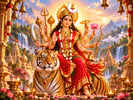
Maa Durga, the Source of Courage
Image credit : CHATGPT(AI)
The association between hibiscus and Goddess worship is not merely a modern custom. The Devi Bhagavata Purana, in its discussion of the greatness of Devi worship, mentions japa kusuma, or hibiscus, among the flowers that may be offered to the Goddess. This gives the flower a meaningful place in Hindu religious tradition. However, it is important to distinguish a textual reference from later explanations of symbolism. Not every popular belief about the flower, including claims about guaranteed wishes, should automatically be treated as a direct scriptural instruction.
Śrīmad Devī Bhāgavatam
The red hibiscus usually has five broad petals, which invite devotees to reflect on the natural world and its interconnected elements. Some spiritual explanations associate these petals with the five elements, known as earth, water, fire, air and space. This is best understood as a symbolic interpretation rather than a universal rule followed in every Durga Puja tradition. The deeper message is that nature itself can become a means of expressing devotion. When a devotee offers a flower with sincerity, even a simple part of the natural world can take on a personal spiritual meaning.
The Flower Reflects Courage and Devotion
For many devotees, offering red hibiscus to Maa Durga is a personal expression of faith. The flower's vivid colour serves as a reminder of courage, while the act of offering it encourages humility and concentration during prayer. People may bring it to the temple during Navratri or place it before the Goddess during their daily puja at home. Some believe the ritual supports their prayers for strength, peace and good fortune. These are devotional beliefs, not guaranteed outcomes. The real value of the practice can also lie in the hope, discipline and emotional comfort it brings to the worshipper.
Why Devotees Choose Hibiscus During Navratri
During Navratri, devotees worship Maa Durga in her different forms and offer flowers, lamps, incense and prayers as part of their rituals. Red hibiscus is popular because of its traditional association with the Goddess and its strong visual connection with Shakti. If you wish to offer it, choose a fresh, clean flower and follow the customs of your household or temple. There is no need to worry if hibiscus is unavailable. Other flowers may also be used according to regional and family traditions. Sincere devotion matters more than finding one particular flower.
Does Maa Durga Fulfil Wishes Through This Flower?
Many people believe that offering red hibiscus helps them seek Maa Durga's blessings for happiness, protection and the fulfilment of heartfelt wishes. Such beliefs form part of personal faith and devotional practice, but there is no need to view the flower as a guarantee that a particular wish will come true. A more meaningful approach is to combine prayer with honest effort, compassion and courage in everyday life. The spiritual significance of red hibiscus is not only about asking for blessings; it can also remind devotees to develop the strength and clarity they admire in Maa Durga.
The Real Meaning Behind the Red Hibiscus
The red hibiscus is more than a beautiful flower in Maa Durga worship. Its colour evokes Shakti, religious traditions give it a place in offerings to the Goddess, and its symbolism can inspire courage and devotion. While some explanations about its petals and wish-fulfilling powers belong to popular belief rather than established scriptural rules, the flower remains a meaningful part of many Hindu rituals.
Ultimately, the most important offering is a sincere heart. Whether you offer a red hibiscus during Navratri or simply pray with folded hands, let your devotion inspire you to face life's challenges with the courage, kindness and strength associated with Maa Durga.
Unlock insightful tips and inspiration on personal growth, productivity, and well-being. Stay motivated and updated with the latest at
My Life XP.