
Why Did Lord Shiva Never Become the King of Heaven?
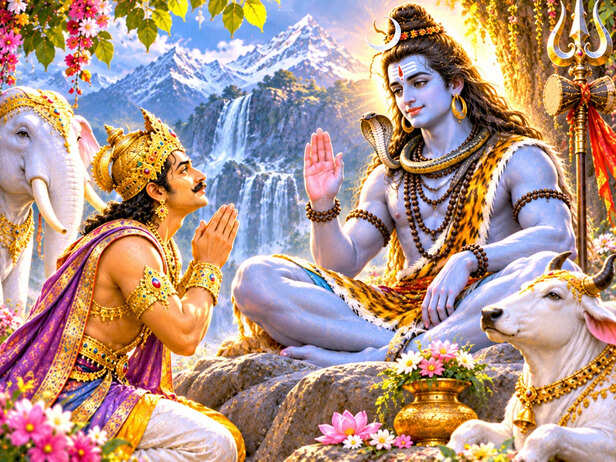
Imagine having the power to rule the entire universe, yet never asking for a throne, a kingdom or even a palace. This is one of the most fascinating ideas associated with Lord Shiva. While Lord Indra is known as the king of heaven, Shiva is worshipped as Mahadeva, the great god. So why did Shiva never take Indra's place? Was heaven beyond his interest, or was his position far greater than that of a heavenly king? The answer lies in understanding the different roles of these two powerful deities.
Indra Was Given the Throne of Heaven
In Hindu mythology, Lord Indra holds the position of Devaraja, or king of the gods. He governs Swarga, the heavenly realm, and leads the Devas in their battles against powerful Asuras. His responsibilities include protecting the celestial kingdom and maintaining order among its inhabitants. Indra's throne is therefore connected with a specific position and duty. It is not the highest spiritual destination in every Hindu tradition, but the seat of authority over the heavenly world.
Shiva's Identity Was Different
Unlike Indra, Lord Shiva is not usually portrayed as a ruler interested in a heavenly court. He is associated with Mount Kailash, meditation, renunciation and freedom from worldly attachments. His appearance also reflects this difference: he wears animal skin, carries a trident and is often shown covered in sacred ash. These symbols represent a life beyond material comfort and status. In many Shaiva traditions, Shiva is understood as the supreme reality, not simply another ruler within the celestial hierarchy.
Heaven Was Not the Highest Goal
Swarga is described in Hindu traditions as a realm of great pleasure, beauty and divine rewards. However, reaching heaven is not considered the final goal in every Hindu philosophical tradition. Heavenly enjoyment is often understood as temporary, lasting only as long as the results of one's good deeds remain. Moksha, or liberation from the cycle of birth and death, is a different and deeper spiritual goal. Shiva is closely associated with this freedom, which helps explain why his identity is not tied to ruling Swarga.
Shiva Was Worshipped by the Gods
In several Puranic stories, the Devas approach Lord Shiva when they face powerful enemies or problems they cannot solve alone. The Shiva Purana describes occasions when Indra and other gods seek divine help against forces threatening their world. Such stories present Shiva as a source of protection and power for the celestial beings. His relationship with Indra is therefore not simply a rivalry over a throne. Rather, the gods often turn to Shiva for help when their own authority is challenged.
Shiva Could Grant What Heaven Offered
The Skanda Purana contains a story in which the Devas are advised to worship Lord Shiva to regain access to heaven. They worship a sacred Shiva Lingam known as Svargadvāreśvara, associated with the gateway to Swarga. The story presents Shiva as someone who can bless devotees with access to heavenly realms. This creates an interesting contrast: Indra rules heaven, but Shiva is also described as a deity who can grant the blessing of reaching it.
Shiva's Power Was Not About a Position
A king's authority is connected with the kingdom he governs, but Shiva's identity is described in much wider terms. He is known as Mahadeva, Pashupati and the lord of the Ganas. In Shaiva traditions, he is also associated with creation, preservation and destruction. His power is not presented as something that depends on occupying Indra's throne. This is why comparing Shiva and Indra only through their titles misses the larger meaning of their roles in Hindu mythology.
Kailash Reveals the Deeper Meaning
Lord Shiva's home is Mount Kailash, not Indra's royal court in Swarga. Kailash is closely associated with meditation, devotion and spiritual discipline. Shiva's choice of this setting reflects the deeper message connected with his character: true greatness does not depend on a throne or a kingdom. While Indra carries the responsibility of ruling heaven, Shiva represents a reality that many Hindu traditions describe as beyond worldly positions. He did not need to become king of heaven to be worshipped as Mahadeva.
Unlock insightful tips and inspiration on personal growth, productivity, and well-being. Stay motivated and updated with the latest at My Life XP.