Why is Maa Tara shown breastfeeding Lord Shiva in certain Hindu traditions? At first, this image may seem unusual, but it carries a deeper spiritual meaning. The story connects motherhood, divine protection and the life-giving power of amrit, or nectar. It also offers a way to understand the larger idea of Shakti, the divine feminine energy celebrated during Navratri. To understand this symbolism, we must look beyond the image and explore the story behind it.
The Story Behind Maa Tara
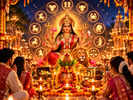
![Maa Tara Cradling Baby Shiva in Cosmic Temple]()
Maa Tara Cradling Baby Shiva in Cosmic Temple
Image credit : chatgpt(ai)
In certain Shakta traditions, Maa Tara is worshipped as a powerful form of the Divine Mother. One well-known sacred image shows her breastfeeding Lord Shiva, presenting the goddess as a source of nourishment and protection. Rather than focusing only on the unusual appearance of this image, its deeper meaning lies in the relationship between divine power and motherhood. Maa Tara represents the nurturing side of Shakti, reminding devotees that true strength is not limited to power or authority. It can also appear through care, compassion and the ability to restore life.
Why Lord Shiva Needed the Divine Mother
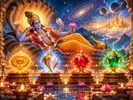
![Tara Comforts Shiva Amidst Cosmic Light]()
Tara Comforts Shiva Amidst Cosmic Light
Image credit : chatgpt(ai)
The story connects with the Samudra Manthan, or churning of the cosmic ocean, when Halahala poison emerged and threatened creation. Lord Shiva took the poison to protect the universe, and it remained in his throat, giving him the name Neelkantha. In the Maa Tara tradition, the goddess's nurturing role is linked with soothing and sustaining Shiva after this cosmic crisis. The symbolism shifts attention from the danger itself to the power of care. Even the great protector can be shown receiving nourishment, suggesting that strength and vulnerability can exist together.
The Deeper Meaning of Amrit and Soma
The idea of amrit, often understood as nectar of immortality, adds another layer to the story. In Hindu thought, Soma is also associated with sacred nourishment and, in some traditions, lunar symbolism. Maa Tara's milk can therefore be interpreted as a form of divine nourishment that brings comfort and renewal. This is a spiritual interpretation rather than a literal medical claim. The image expresses a powerful idea: when life becomes difficult, restoration may come through compassion and care. That is why the goddess's maternal form holds such significance in Shakta worship.
Why the Moon Is Important
The moon is more than a celestial object in Hindu mythology. Chandra is associated with changing cycles, while Soma appears in sacred traditions as a significant divine substance. These connections help explain why lunar imagery can carry meanings of nourishment, renewal and the rhythms of life. In the story of Maa Tara, this symbolism complements her role as the divine mother. Just as the moon passes through changing phases, life also moves through periods of difficulty and recovery. The story encourages devotees to see renewal as part of the larger cosmic order.
How Shakti Gives Form to Divine Power
The story of Maa Tara also invites a wider look at Shakti, the divine feminine power in Hindu philosophy. In the Devi Mahatmya, the gods' combined energies give rise to Maa Durga when Mahishasura threatens cosmic order. Each deity contributes divine power, while Durga embodies the force capable of confronting the challenge. This is a central idea behind Navratri: the goddess is not simply another deity in the story, but a manifestation of the power that sustains and protects creation. Maa Tara and Maa Durga belong to distinct traditions and stories, but both reveal different dimensions of the Divine Mother.
The Meaning Behind the Goddess's Many Forms
Why does the Divine Mother appear in so many forms? Hindu traditions often describe divine energy through different manifestations, each carrying its own symbolism and purpose. Maa Tara is associated with protection and liberation in her worship traditions, while Maa Durga represents strength and the restoration of balance. These forms should not be treated as identical, but they share the broader understanding of Shakti as a source of divine power. Their stories also challenge the idea that strength must always look fierce. Sometimes, the most meaningful expression of power is the ability to nurture, protect and guide.
What This Story Teaches Us Today
The image of Maa Tara nursing Lord Shiva offers a lesson that reaches beyond mythology. It reminds us that no one is beyond the need for care, and accepting support does not make a person weak. The story also encourages us to look for meaning in sacred imagery rather than judging it at first glance. During Navratri, this idea can deepen our understanding of the Divine Mother: power is not only the ability to overcome challenges, but also the ability to restore, comfort and sustain life. That is the lasting message behind this remarkable image.
Unlock insightful tips and inspiration on personal growth, productivity, and well-being. Stay motivated and updated with the latest at My Life XP