
Why Did Yama Visit His Sister? The Story Behind Bhai Dooj
Diwali is known for glowing diyas, sweets, family gatherings and prayers for prosperity. But the celebrations do not end with the festival of lights. In many Hindu traditions, the festivities continue with Govardhan Puja and Bhai Dooj.
Bhai Dooj, also called Bhaiya Dooj, Bhau Beej and Bhai Tika in different regions, celebrates the bond between brothers and sisters. Sisters traditionally apply a tilak to their brothers' foreheads, pray for their well-being and share a meal with them.
Why Is Bhai Dooj Celebrated After Diwali?
The festival is associated with a fascinating story involving Yama, the god of death, and his sister Yamuna, who is also known as the river goddess.Unlike stories focused on battles or divine victories, this legend centres on a simple act of love: a sister welcoming her brother into her home.
The Forgotten Story of Yama and Yamuna
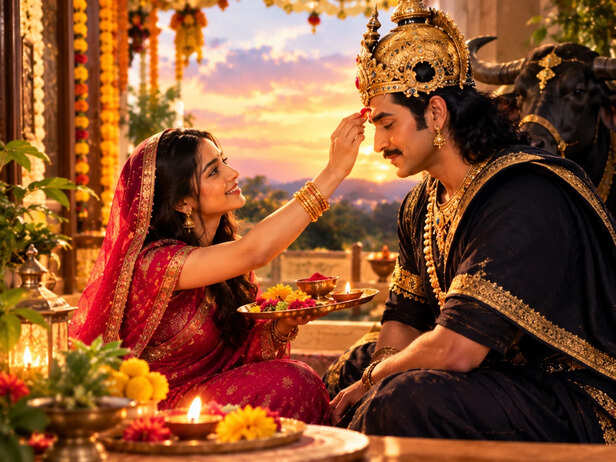
According to a popular Hindu legend, Yamuna long wished for her brother Yama to visit her. However, because Yama was occupied with his duties, the two siblings rarely had the opportunity to spend time together.One day, Yamuna invited her brother to her home. Yama accepted the invitation and visited her on the second lunar day of the bright fortnight of the Hindu month of Kartika, a date associated with Bhai Dooj.
Yamuna welcomed him warmly. She applied a tilak to his forehead, performed traditional rituals and prepared a delicious meal for him. The siblings spent time together, sharing affection and enjoying the occasion.Yama was deeply pleased by his sister's hospitality and love. He offered her a blessing and declared that brothers who visited their sisters on this auspicious day and received their affection would be blessed with well-being and protection.In some versions of the legend, Yama also offered a boon to anyone who bathed in the Yamuna on this day, connecting the festival with the river's sacred significance.This story became one of the best-known explanations for the celebration of Bhai Dooj.
Why Is Yama's Visit Connected With a Tilak?
The tilak is one of the most recognisable parts of Bhai Dooj. Sisters apply it to their brothers' foreheads while praying for their happiness, health and long life.In the story of Yama and Yamuna, the tilak represents the affection and goodwill shared between siblings. It is not simply a festive decoration. It expresses a sister's heartfelt wishes for her brother's well-being.The legend also gives the ritual a deeper meaning. Yama, who is associated with death and the end of mortal life, receives love and hospitality from his sister. Their reunion shifts the focus away from fear of death towards family bonds, blessings and the value of spending time with loved ones.Although customs vary across regions and families, the tilak remains an important symbol of Bhai Dooj.
How Do Families Celebrate Bhai Dooj?
Bhai Dooj traditions differ across India, but many celebrations follow the spirit of the Yama-Yamuna legend.
- Applying tilak: Sisters apply a tilak, often made with kumkum or roli, to their brothers' foreheads.
- Praying for well-being: Sisters offer prayers for their brothers' happiness, health and long life.
- Preparing a special meal: Families prepare favourite dishes and sweets to celebrate the occasion together.
- Exchanging gifts: Brothers and sisters exchange gifts or tokens of affection in many households.
- Spending time together: Families use the occasion to reconnect, particularly when siblings live far apart.
In some regions, the festival also involves specific rituals, prayers or food traditions associated with local customs.
Bhai Dooj is observed on the Dwitiya, or second lunar day, of the bright fortnight of Kartika. It generally falls two days after Diwali's main Lakshmi Puja, although the exact Gregorian date changes each year.
Is Bhai Dooj Only About Brothers Protecting Sisters?
The festival is often described as a day when sisters pray for their brothers' well-being. However, the story of Yama and Yamuna also highlights something equally important: the joy of being welcomed, remembered and loved by family.
Yamuna does not ask her brother for wealth or power. She wants his company. Her invitation reminds us that relationships need time and attention, even when responsibilities keep people apart.The tradition also gives brothers an opportunity to acknowledge their sisters' affection and strengthen their bond. The exchange of gifts, shared meals and blessings helps make the relationship a two-way expression of care.In modern families, this meaning can extend beyond a single ritual. A phone call, a visit or a thoughtful gesture can carry the same spirit when siblings cannot celebrate together in person.
The Deeper Meaning Behind the Yama-Yamuna Legend
The story of Yama visiting Yamuna gives Bhai Dooj a distinctive place in the Diwali festival period. While many Diwali traditions celebrate prosperity, light and the victory of good over evil, Bhai Dooj focuses on the emotional connection between siblings.Its central message is simple: love and family bonds deserve to be celebrated, not taken for granted.The legend also shows how everyday acts of affection can become lasting traditions. A sister's invitation, a brother's visit and a shared meal are ordinary gestures, yet Hindu tradition remembers them through an annual festival.
That is what makes Bhai Dooj meaningful even today. Beyond the tilak and sweets, it is a reminder to make time for the people who have been part of our lives through different stages and challenges.The next time you celebrate Bhai Dooj, remember Yamuna's long-awaited reunion with Yama. The story behind the festival is not only about blessings for a brother's long life. It is also about the enduring comfort of knowing that someone is waiting to welcome you home.
Unlock insightful tips and inspiration on personal growth, productivity, and well-being. Stay motivated and updated with the latest at My Life XP