
Why Do Bihar's Women Drink Water From Their Own Hair?
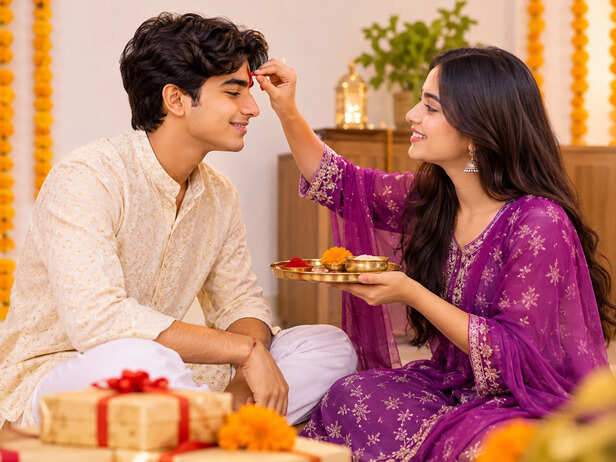
Imagine a woman pouring water over a lock of her own hair and then drinking it while praying for her brother's long life. It may sound unusual, but this is part of a traditional Bhai Dooj ritual followed in some parts of Bihar. The ceremony does not end with applying tilak or feeding sweets to brothers. Women first perform Godhan Kootna, invoke Yamraj through a traditional folk chant and follow rituals connected with protection from misfortune. Every action has a meaning, and one particular response during the ceremony is especially fascinating.
Godhan Kootna Begins the Ceremony
In parts of Bihar, Bhai Dooj celebrations begin with a ritual called Godhan Kootna. Women gather and symbolically pound cow dung figures associated with Godhan using traditional methods. During the ritual, they sing folk verses invoking protection from Yamraj and praying for the well-being of their brothers. One traditional line goes, "Awara kootle bhanwara, kootle Jam ke duaar." These folk songs are passed down through generations, and their exact wording can vary between families and regions.
Why Women Make Cotton Wicks
After Godhan Kootna, women prepare small cotton wicks, traditionally called bati. According to the custom described in this regional tradition, these wicks are used in a ritual connected with the life and well-being of the men in the family. Women perform the ceremony with prayers for protection from illness and misfortune. This step is not simply about preparing a diya; it forms part of a larger folk ritual in which every action carries a symbolic meaning connected with family protection.
The Strange Ritual of Drinking Water From Hair
One of the most unusual parts of this tradition comes next. Women bring their hair locks forward and pour water over them before drinking the water. The action is accompanied by a traditional exchange between two women. One asks, "Ka piya taru?" meaning, "What are you drinking?" The other responds with a folk phrase invoking Yamraj. This ritual may seem strange to someone unfamiliar with Bihar's customs, but within the tradition, it expresses a prayer for the removal of illness and danger from loved ones.
What Does the Yamraj Chant Mean?
The response is particularly striking: "Jamraj ke khoon, bhai baap ke rog balaaye." The wording can differ across local versions, but its central idea is connected with Yamraj, illness and the removal of misfortune from brothers and fathers. Yamraj is regarded in Hindu tradition as the god of death, and many regional rituals invoke him while praying for family members' longevity. The chant gives the ceremony its distinctive identity and shows how folk traditions preserve religious ideas through everyday language.
Why Is Godhan Bajri Offered to Brothers?
Another meaningful part of Bihar's Bhai Dooj is the offering of Bajri, or roasted gram, which is associated with the Godhan ceremony. Women show their brothers the light of a diya and then offer them the gram along with laddoos. According to the folk belief, feeding brothers Bajri symbolises the wish that their bodies remain as strong and healthy as the gram. The offering is more than a festive snack; it represents a sister's prayer for her brother's strength, good health and long life.
The Sister's Prayer Behind Every Ritual
Unlike celebrations that focus mainly on gifts and sweets, this regional Bhai Dooj tradition places strong emphasis on a sister's prayers. From Godhan Kootna to the water ritual and feeding Bajri, each step expresses the wish that her brother remains safe from illness and misfortune. The rituals also bring women together, allowing them to share songs and customs learned from their mothers and grandmothers. For many families, following these practices is a way of keeping their ancestral traditions alive.
Why Bihar's Bhai Dooj Is So Special
Bhai Dooj is celebrated in different ways across India, but Bihar's folk traditions give the festival a distinctive character. Here, the celebration combines the worship of family well-being, traditional songs, symbolic offerings and prayers to Yamraj. While the rituals may differ between districts and households, their central emotion remains the same. A sister wants her brother to live a healthy and happy life. That wish has been carried through generations in the form of songs, customs and family gatherings.
A Folk Tradition That Carries a Sister's Love
Bihar's Bhai Dooj reminds us that festivals are not celebrated in the same way everywhere. Sometimes, the most meaningful traditions are the ones that seem unusual to outsiders. The water poured over a lock of hair, the invocation of Yamraj and the offering of Bajri all carry a common emotion: a sister's prayer for her brother's well-being. These customs are more than rituals passed down through generations. They are part of Bihar's cultural memory, kept alive by women who continue to sing the same folk verses their mothers and grandmothers once sang.
Unlock insightful tips and inspiration on personal growth, productivity, and well-being. Stay motivated and updated with the latest at My Life XP.