
Why Do Devotees Offer Laddus to Hanuman Ji? The Truth
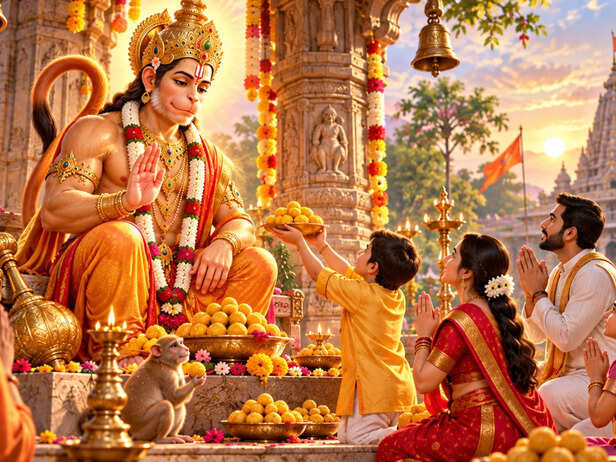
Have you ever noticed that a small plate of laddus often appears in front of Hanuman Ji, especially on Tuesdays and Saturdays? For many devotees, offering sweets has become such a familiar part of Hanuman worship that the deeper meaning behind it is rarely questioned. But there is more to this tradition than simply calling laddus Hanuman Ji’s favourite sweet. Different devotional traditions connect the offering with love, gratitude, strength and the belief that sincere devotion matters more than an elaborate ritual. So why did laddus become so closely associated with Bajrangbali, and why are Tuesday and Saturday considered special?
The Laddu Connection
Laddus became a popular offering to Hanuman Ji through devotional traditions and stories associated with his love for simple, nourishing food. In many households, besan or boondi laddus are offered during Hanuman worship because they are considered auspicious and easy to prepare and share as prasad. The important point is that Hindu worship does not treat the sweet itself as magical. The laddu represents an offering made with affection. A devotee may bring a simple sweet with genuine faith, just as someone might offer something meaningful to a loved one. The emotion behind the offering is what gives the ritual its significance.
Why Tuesday Matters
Tuesday has a strong association with Hanuman Ji in Hindu devotional practice. Many devotees visit Hanuman temples, recite the Hanuman Chalisa and offer flowers, sindoor, oil or sweets on this day. Hanuman Ji is widely revered as a symbol of courage, strength, discipline and unwavering devotion to Lord Rama. Offering a laddu on Tuesday therefore becomes part of a larger act of prayer rather than an isolated ritual. For someone facing fear, uncertainty or a difficult phase, the tradition can also become a moment to pause, pray and remind themselves to approach challenges with courage and faith.
Why Saturday Is Special
Saturday has another important connection with Hanuman worship. In popular Hindu tradition, Hanuman Ji is associated with protection from difficulties linked with Shani Dev. Several devotional stories describe Hanuman Ji helping Shani, which is why many devotees turn to Hanuman worship on Saturdays. This association has made Saturday a particularly popular day for visiting Hanuman temples and making offerings. Laddus may be included along with other traditional offerings. However, the practice should be understood as a devotional tradition rather than a guarantee that a particular offering will remove every problem. Faith is accompanied by personal effort and responsible action.
The Deeper Meaning
There is a beautiful idea hidden behind the humble laddu. Hanuman Ji represents strength without arrogance and devotion without expectation. Offering a sweet can symbolise the devotee's gratitude for these qualities and their desire to cultivate them in their own life. The ritual can become especially meaningful when someone offers the laddu after overcoming a difficult situation or while praying for courage during a challenging period. Instead of seeing the offering as a transaction, devotees can treat it as a reminder: ask for strength, but also develop the discipline to face the problem yourself.
What Devotees Usually Offer
There is no single universal rule that every devotee must offer a particular number of laddus. Practices can differ between families, temples and regional traditions. Depending on custom, devotees may offer boondi laddus, besan laddus or other sweets, along with flowers, sindoor, oil and other traditional items. The important thing is to follow the practice of one's family or temple respectfully rather than treating a specific number or ingredient as compulsory. After the puja, the offering is generally distributed as prasad. Sharing it adds another layer of meaning because the sacred offering becomes something enjoyed with others.
The Real Message
The next time you see a laddu placed before Hanuman Ji on a Tuesday or Saturday, look beyond the sweet itself. The tradition reflects a much larger idea of devotion: gratitude for strength, faith during difficult moments and respect for the qualities Hanuman Ji represents. A laddu cannot replace effort, courage or good decisions, but the ritual can remind a devotee to develop these qualities within themselves. That may be the most meaningful part of the tradition. Hanuman Ji is remembered not merely because he possessed immense strength, but because he used that strength with humility, loyalty and unwavering devotion.
Unlock insightful tips and inspiration on personal growth, productivity, and well-being. Stay motivated and updated with the latest at My Life XP