
Why Do Devotees Offer Their Hair at Tirupati? The Hidden Story
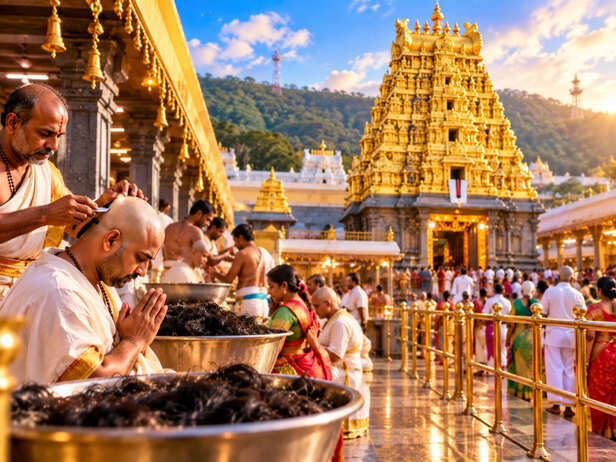
What happens to the hair devotees offer at Tirupati, and why did this tradition begin? Behind this deeply respected ritual lies an emotional legend about Lord Venkateswara and a devotee whose love moved him. The story of Neela Devi offers a different way to understand hair donation, turning a simple act of offering into a symbol of faith, sacrifice and devotion.
The Mystery Behind Tirupati Hair Donation
Every day, many devotees visit Tirumala and offer their hair as an act of devotion to Lord Venkateswara, also known as Tirupati Balaji. For some, it is a prayer of gratitude; for others, it represents humility and a fresh beginning. But why did hair become such an important offering? A popular traditional legend traces this practice to an extraordinary moment when the Lord received an unexpected gift from Neela Devi.
The Injury That Changed Everything
According to a popular legend, Lord Venkateswara once took the blow of a shepherd while protecting a cow. The incident left an injury on his head, and some of his hair was lost. The story describes a moment when the Lord, despite his divine nature, experienced a physical wound. This unexpected detail makes the legend especially memorable because it connects a divine figure with an experience that people can easily understand: pain, compassion and the desire to help someone in need.
Who Was Neela Devi?
The legend then introduces Neela Devi, described in popular devotional retellings as a Gandharva princess. When she noticed the Lord's injured head and the missing hair, she responded with compassion. Rather than simply watching his suffering, she decided to offer something personal to help him. Her action is remembered as an expression of selfless devotion. Although details may differ across retellings, Neela Devi remains closely associated with the spiritual explanation for the hair-offering tradition at Tirumala.
The Sacrifice That Moved the Lord
According to the legend, Neela Devi cut her beautiful, long hair and offered it to the Lord to cover the injured portion of his head. Her gift was not about wealth, status or recognition. It was a personal sacrifice made out of love and concern. Lord Venkateswara was deeply moved by her devotion. This moment gives the story its emotional power: Neela Devi did not ask for a reward before helping him. She simply offered what she had, making her gesture a lasting symbol of selflessness.
The Promise Behind the Ritual
The popular legend says that Lord Venkateswara promised Neela Devi that, in the age of Kali, the hair offered by his devotees would be associated with her. This promise connects her sacrifice to the practice followed by pilgrims even today. For devotees who know the story, shaving their heads is more than a physical act. It becomes a way to remember Neela Devi's offering and express humility before the Lord. The tradition is rooted in religious belief, and its meaning can be deeply personal for each pilgrim.
Why Is Neeladri Important?
Neeladri is traditionally counted among the seven hills of Tirumala and is associated with Neela Devi in devotional accounts. This connection adds another layer to the legend, linking the story of her sacrifice with the sacred landscape surrounding the temple. For devotees, the hills are not simply a geographical setting. They form an important part of the spiritual identity of Tirumala. The association between Neela Devi, Neeladri and hair donation helps explain why the tradition continues to hold emotional significance for many pilgrims.
Where Does the Donated Hair Go?
The hair offered by devotees is collected through organised tonsure services at Tirumala. It is sorted and processed, and the temple administration has historically sold donated hair through auctions. This creates an important distinction between the legend and the present-day process: the story explains the ritual's spiritual significance, while the collection and sale of hair are practical operations. Not every devotee may know what happens after the offering, but the hair has an established place in the temple's administration and related commercial process.
What Hair Donation Means to Devotees
For many pilgrims, offering hair represents surrendering pride, thanking the Lord or praying for a new beginning. Hair is often connected with personal appearance and identity, so giving it up can feel like a meaningful act of humility. However, every devotee may have a different reason for participating. Some fulfil a vow, while others express gratitude after a difficult period in life. The ritual's meaning is therefore not limited to one explanation; it reflects the personal faith and experiences people bring with them to Tirumala.
The Deeper Lesson of Neela Devi's Story
The most memorable part of Neela Devi's story is not simply that she gave her hair, but why she gave it. Her action represents compassion without hesitation and generosity without a demand for recognition. For devotees, the legend offers a reminder that devotion can be expressed through personal sacrifice and sincere intention. The lesson is not that everyone must make the same offering. Rather, it is that faith often becomes meaningful when it inspires kindness, gratitude and a willingness to give something from the heart.
The Story Behind the Offering Lives On
The next time you hear about hair donation at Tirupati, remember the popular legend of Neela Devi and the promise associated with her sacrifice. For countless devotees, the ritual carries personal prayers, gratitude and a sense of surrender. The story also raises another fascinating question about Lord Venkateswara: why is he believed to have borrowed money from Kubera for his divine wedding, and what does that legend mean? That is another chapter in the rich devotional traditions surrounding Tirupati Balaji.
Unlock insightful tips and inspiration on personal growth, productivity, and well-being. Stay motivated and updated with the latest at My Life XP.